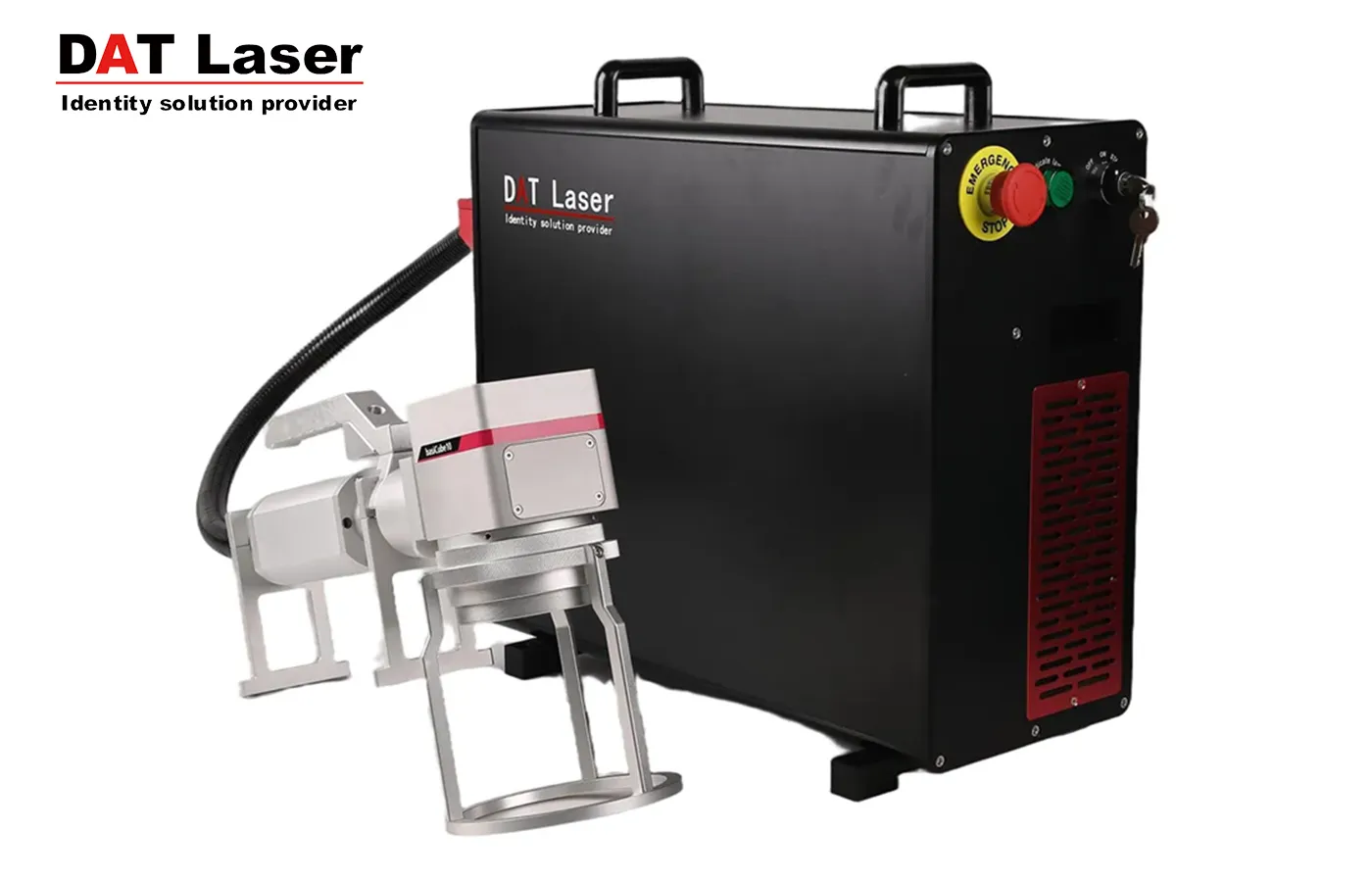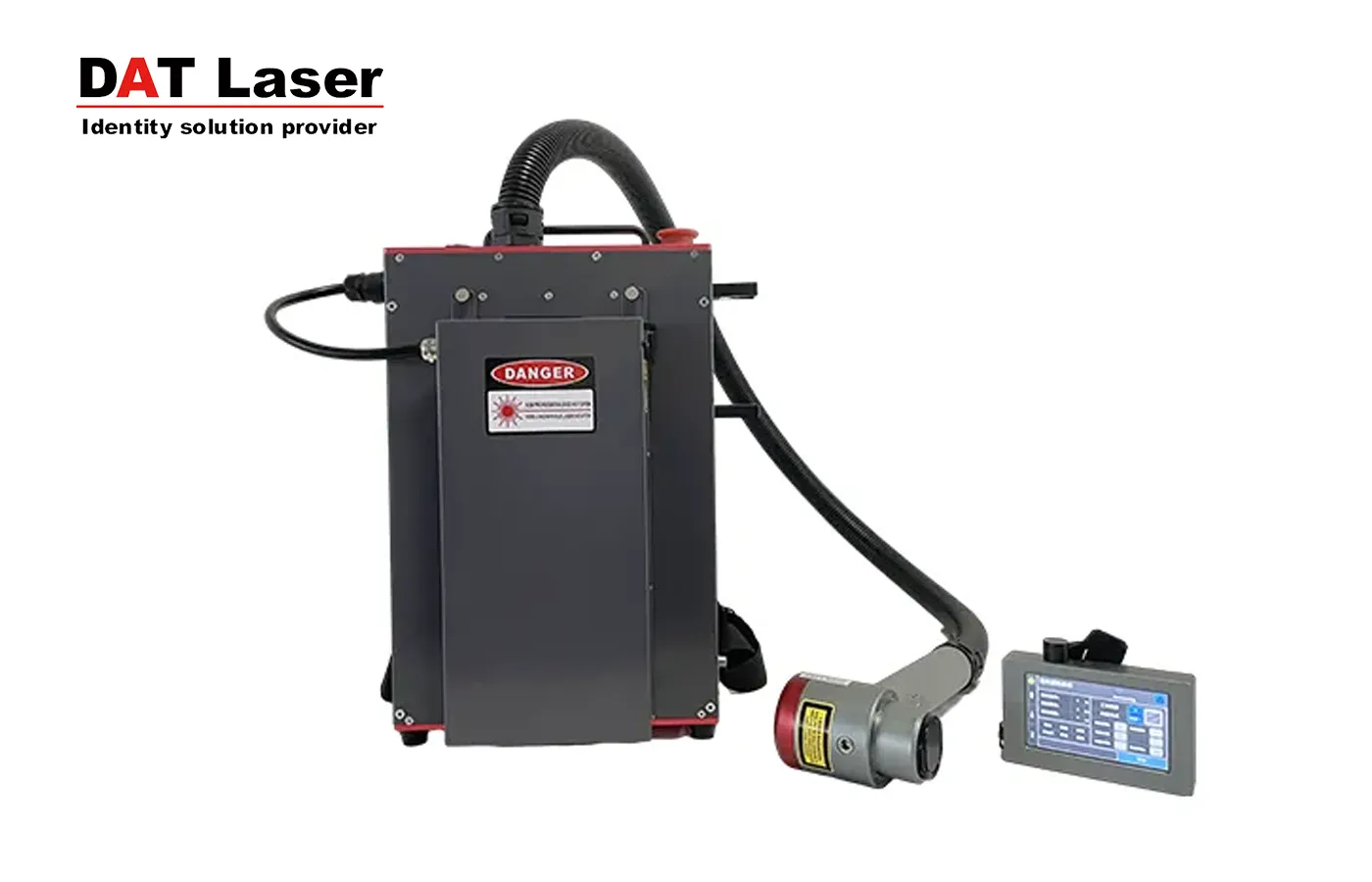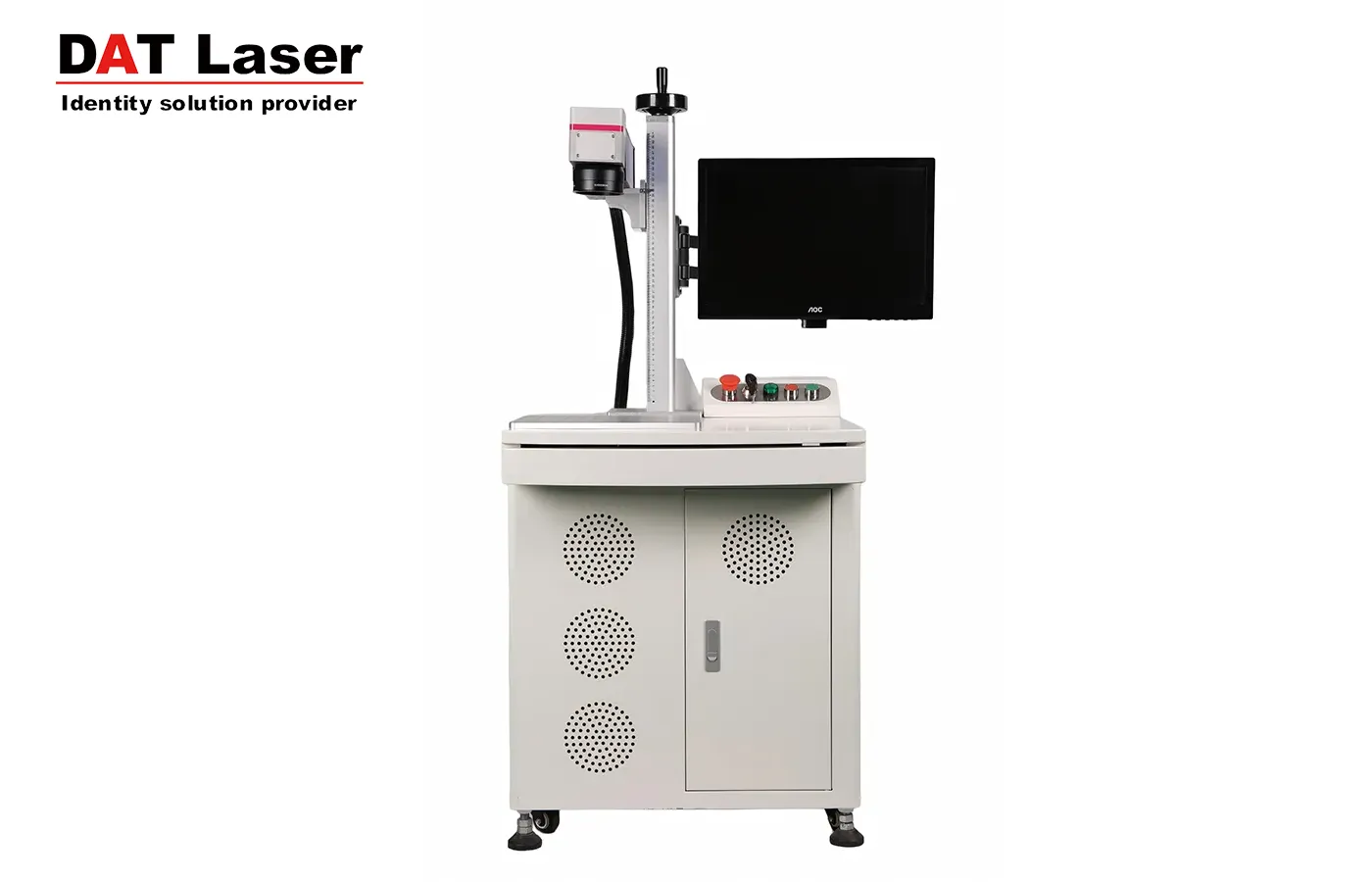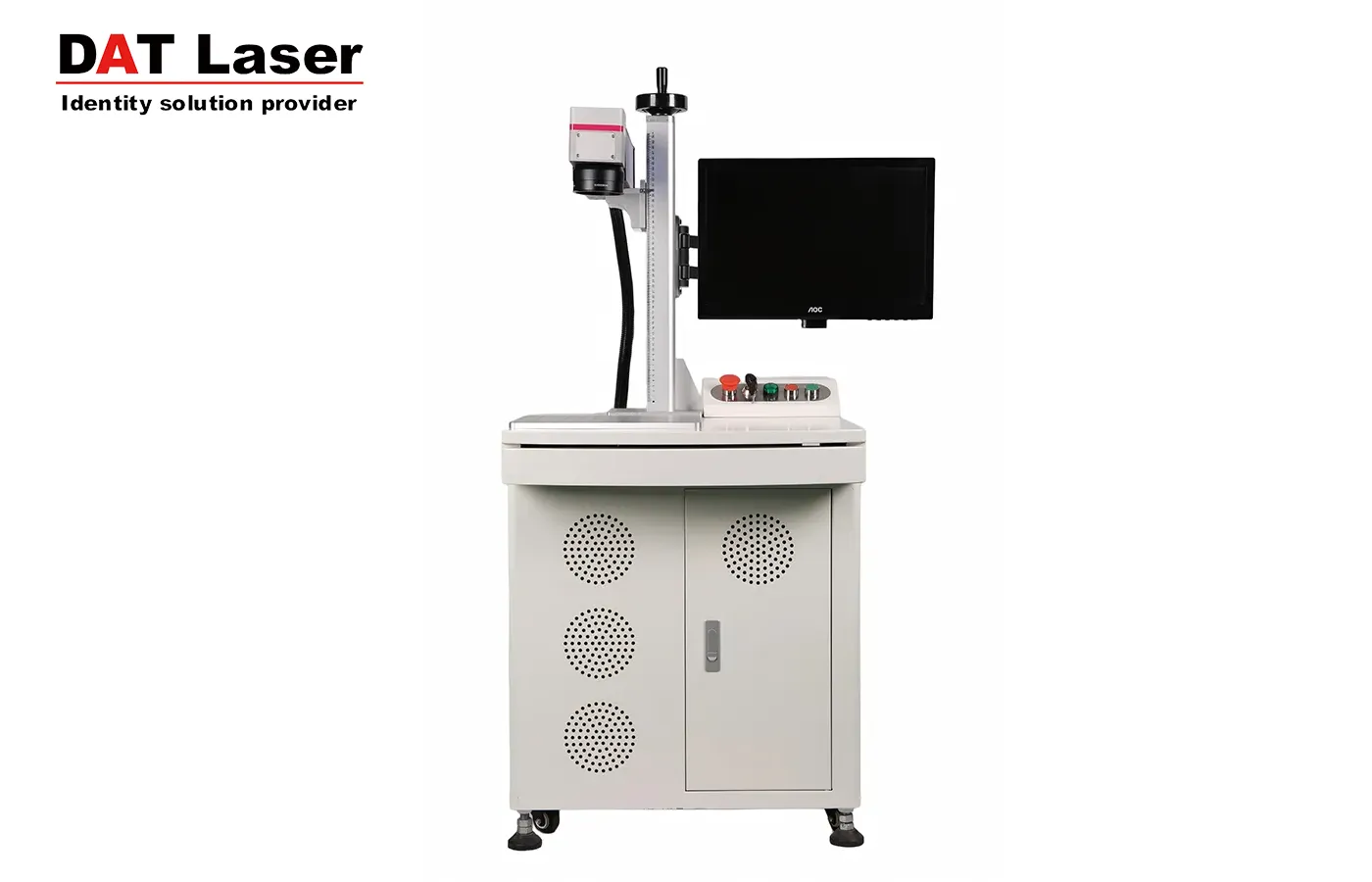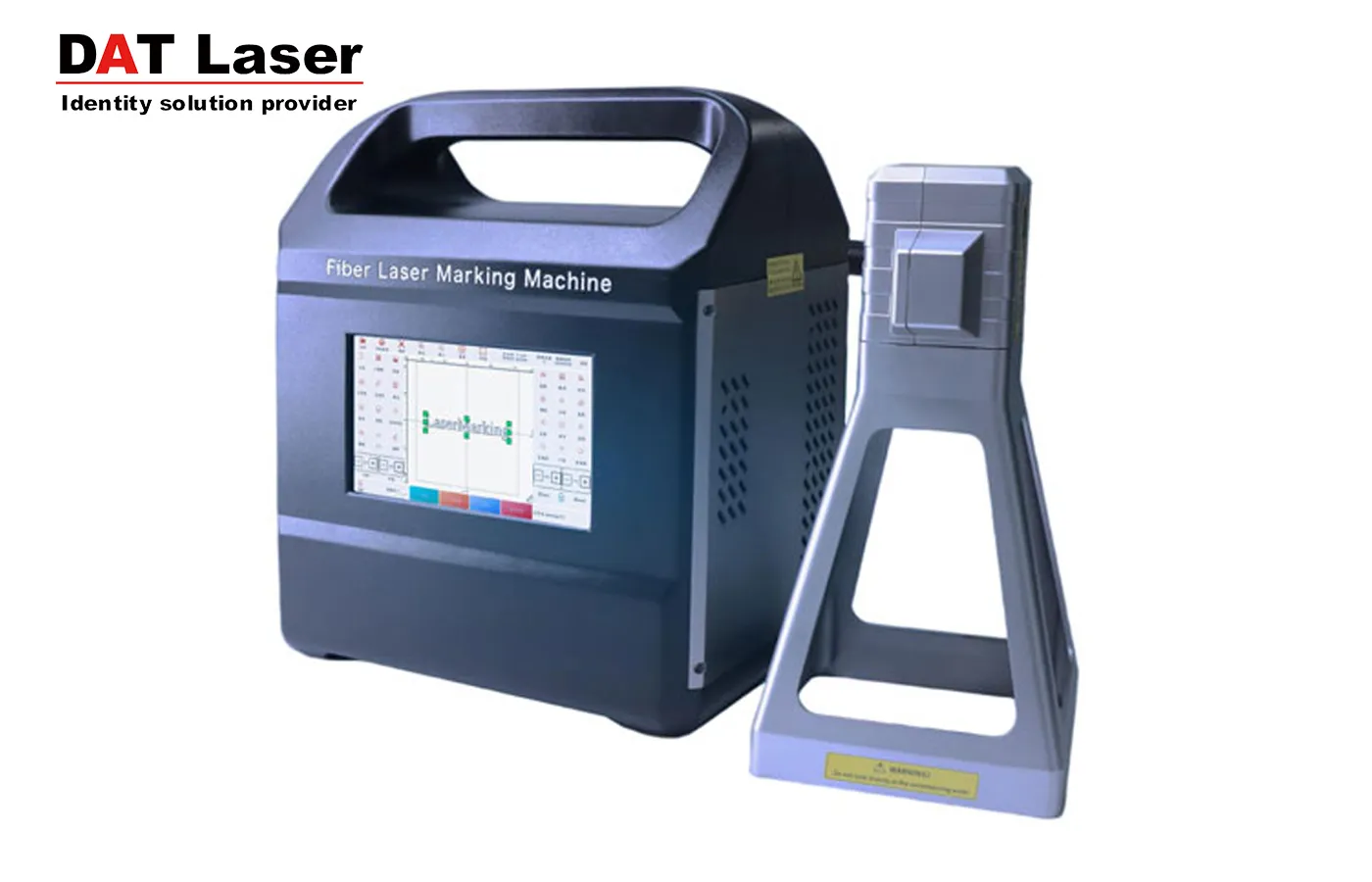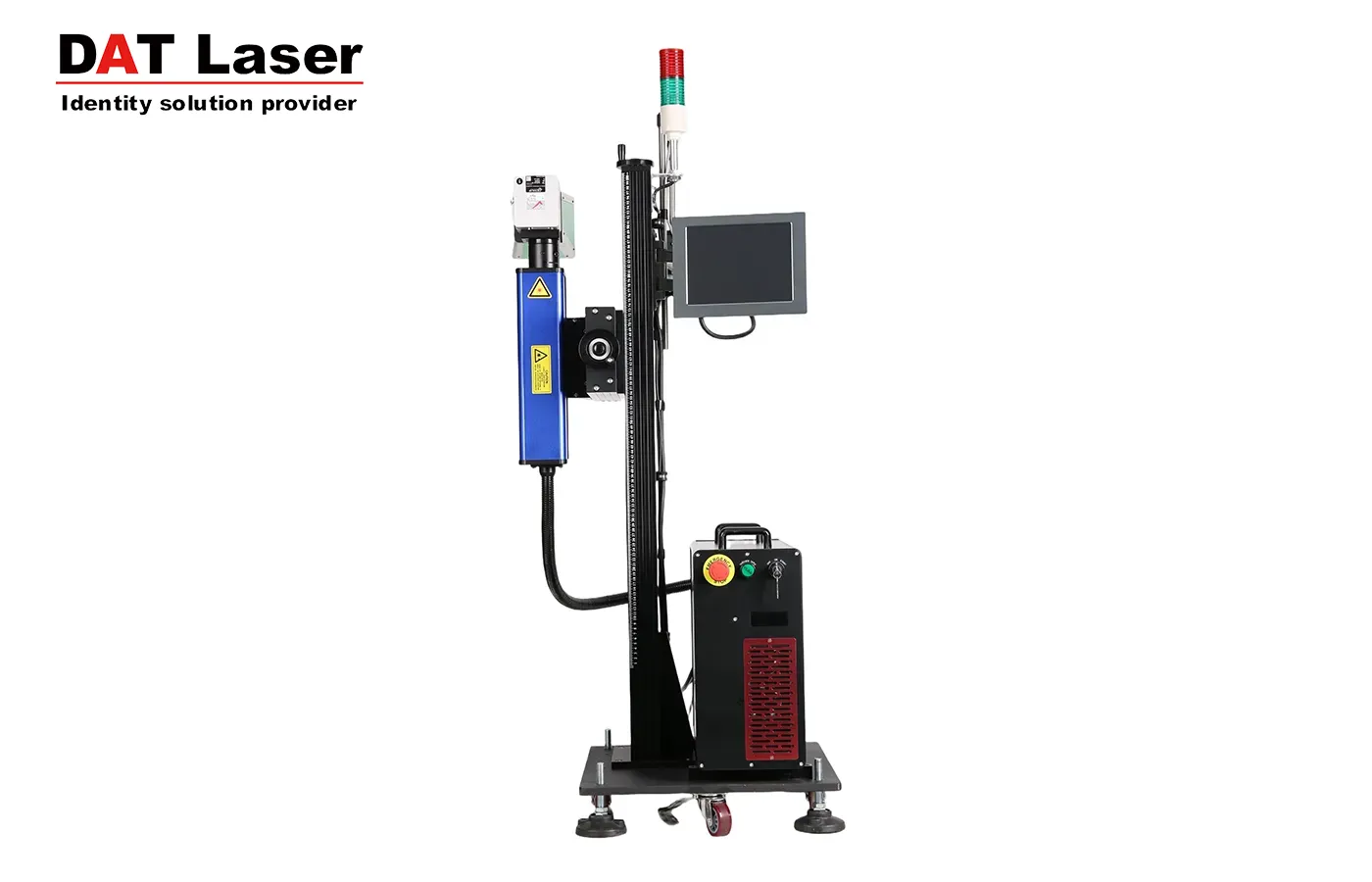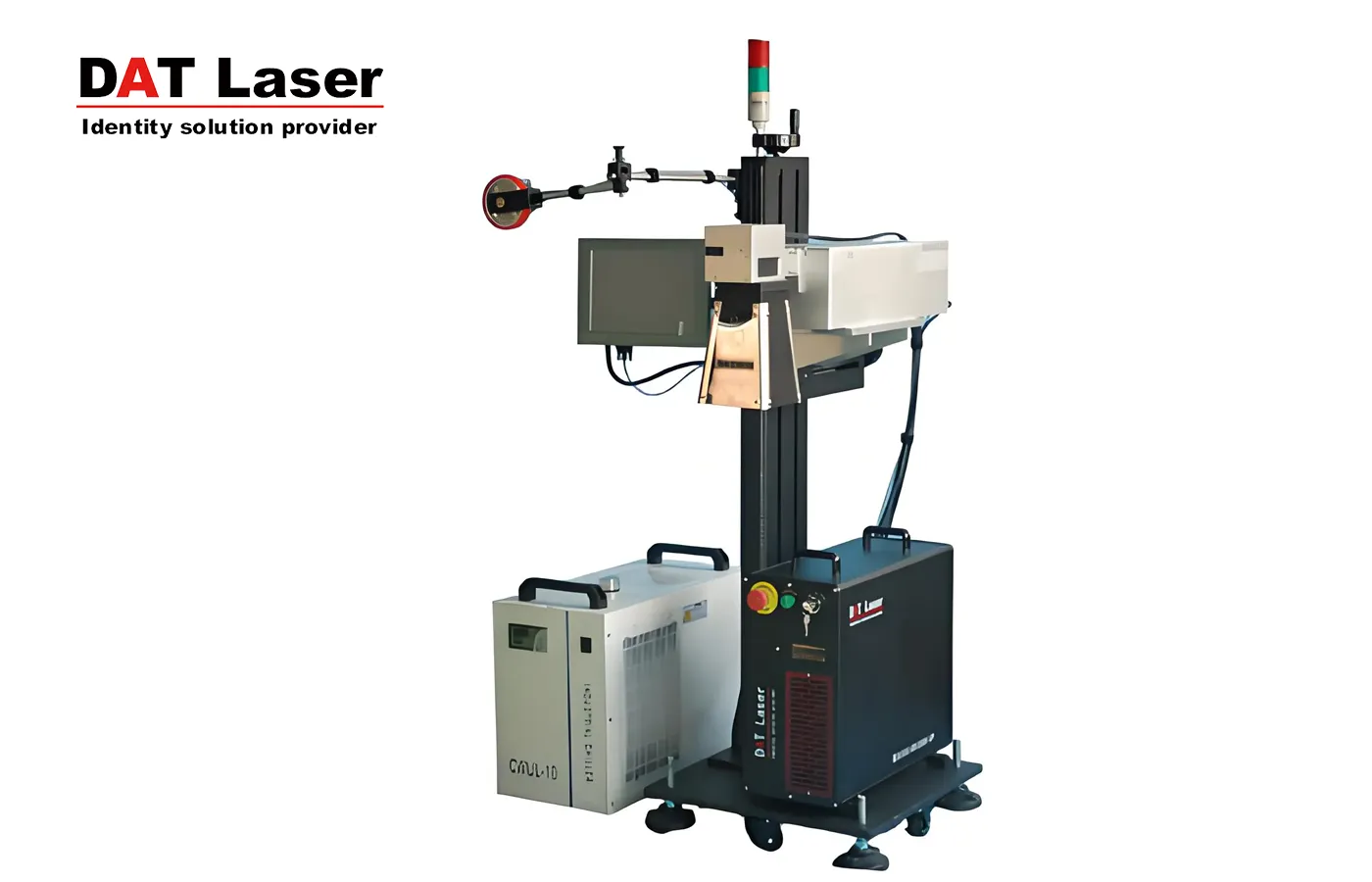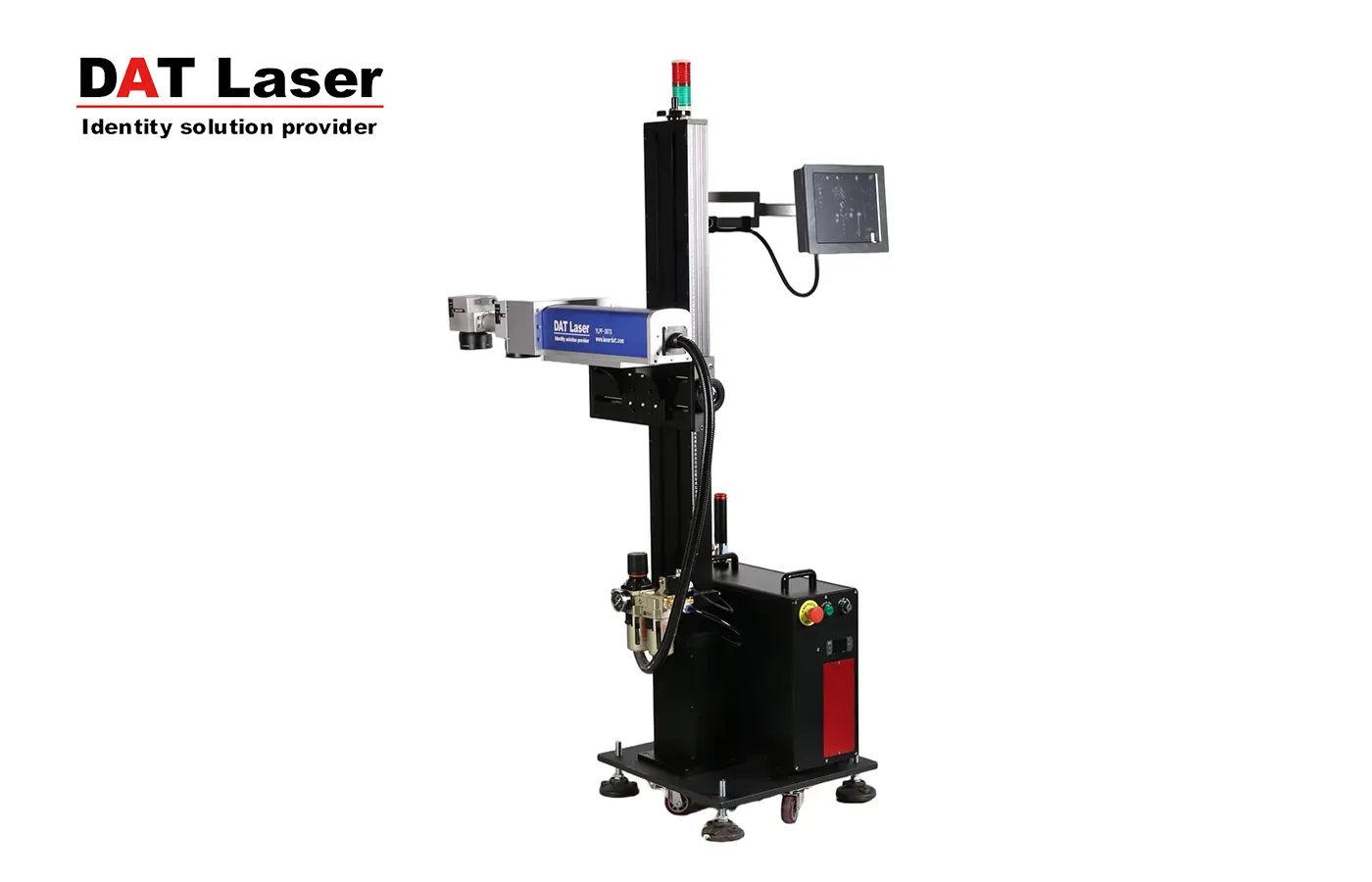
Plastic pipe marking connects product identification with the production process. Manufacturers need to apply information such as product names, production dates, serial numbers, and logos while keeping the marking arrangement suited to the way their pipes are produced. For continuous production, this means selecting flying laser equipment designed for marking moving products.
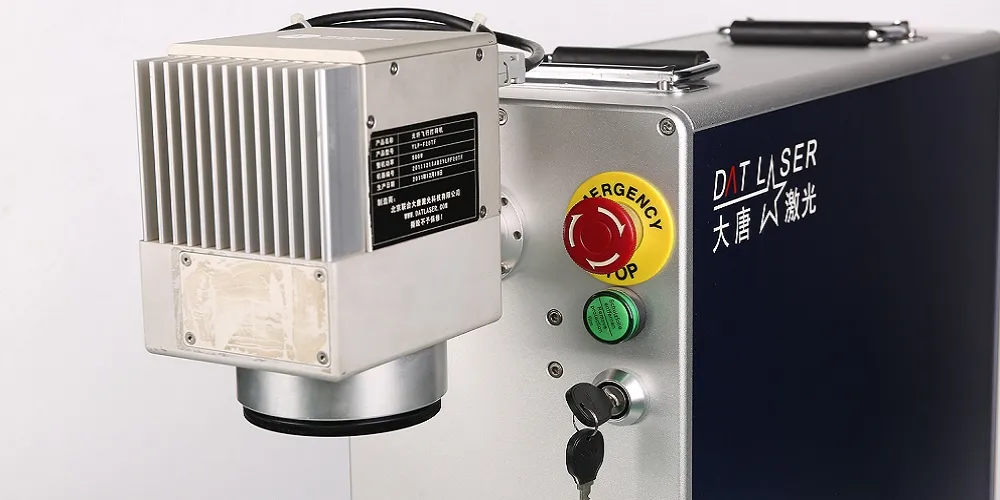
At DAT Laser, our flying fiber equipment includes single-head and double-head configurations, with applications covering PVC, PE, and other compatible plastic pipe materials. These systems provide options for different production layouts and identification requirements. Choosing between them starts with two practical questions: what needs to be marked, and how are the production lines arranged?
Our flying fiber equipment supports production-line identification on compatible plastic pipes. Applications include marking serial numbers and anti-counterfeiting codes, alongside other identification content required by the manufacturer.
In a continuous pipe production environment, the marking task involves a moving surface. A flying configuration is therefore central to the equipment choice. The machine must be selected for this operating method, with the finished marking assessed under the intended production conditions.
For PVC and PE pipe manufacturers, our flying fiber range provides a relevant starting point. However, identifying a pipe as PVC or PE does not mean every formulation will produce an identical result. The final choice should account for the actual material and the required appearance of the mark.
A useful way to define the application is to consider the finished identification as a whole. A short serial number, a company logo, and a message combining several information fields represent different layouts. Each should fit the available marking area and remain readable on the pipe.
This keeps equipment selection focused on the production task: applying the required identification to the actual pipe, using a configuration suited to moving-product marking.
DAT offers single-head and double-head flying fiber equipment. The main distinction for buyers is how the marking arrangement fits their production layout.
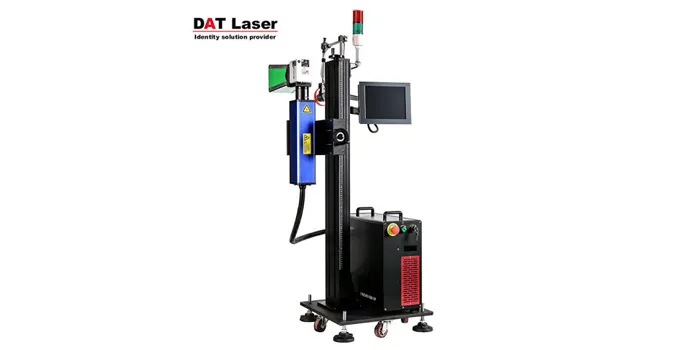
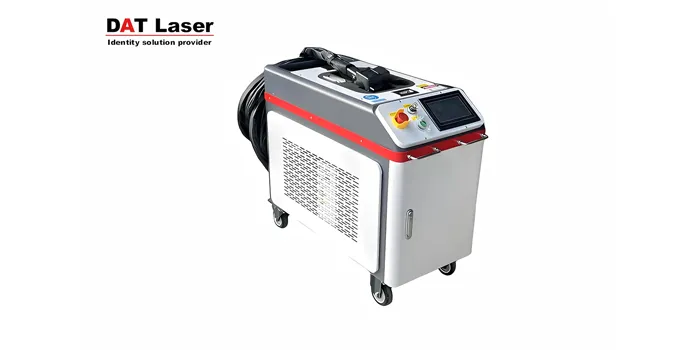
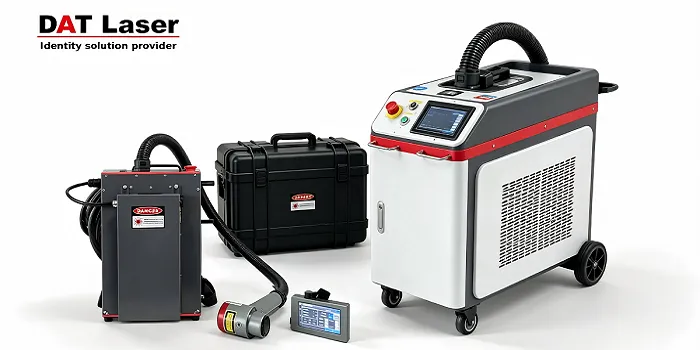
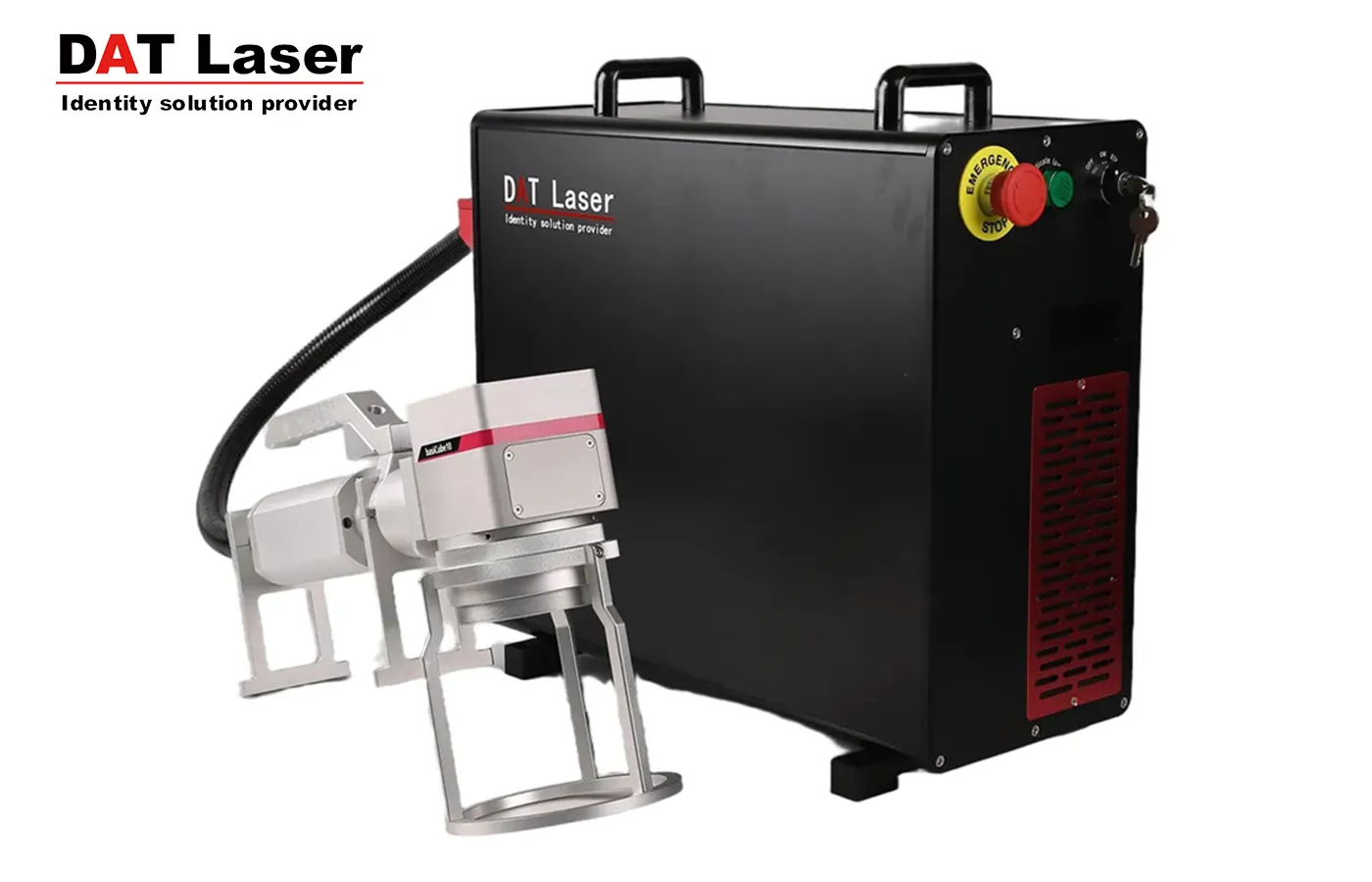
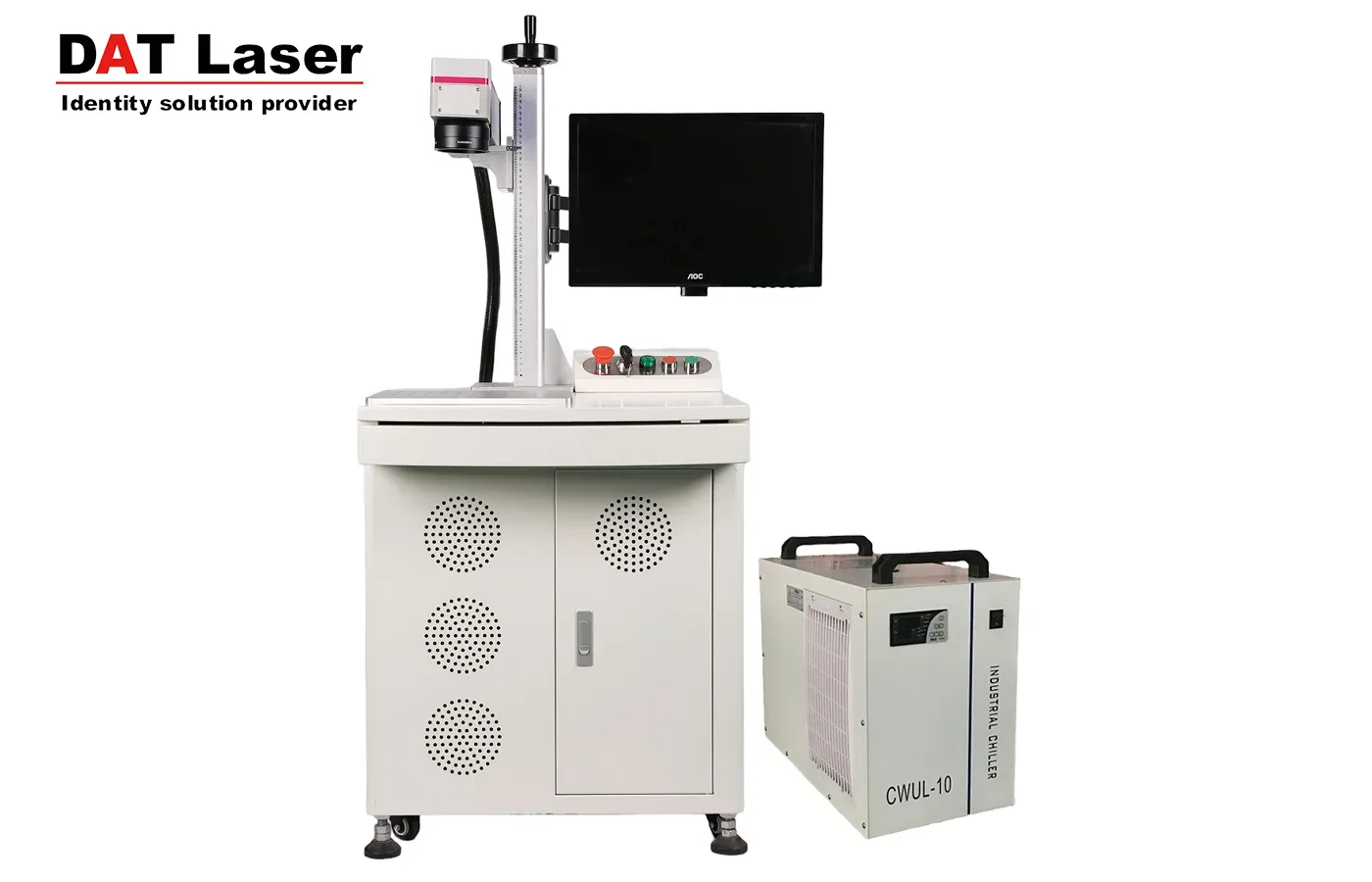
Our single-head flying fiber series is designed for production-line marking of dates, serial numbers, logos, and other traceability information. It is an option to consider where the application involves an individual marking position.
The equipment includes marking-head height adjustment, which helps accommodate the installation arrangement. Buyers should consider the relationship between the marking head and the pipe path, including the available space around the intended marking position.
For an individual pipe line, the single-head configuration provides a starting point for evaluating the required identification task. The final configuration should match the material, marking layout, and operating conditions.
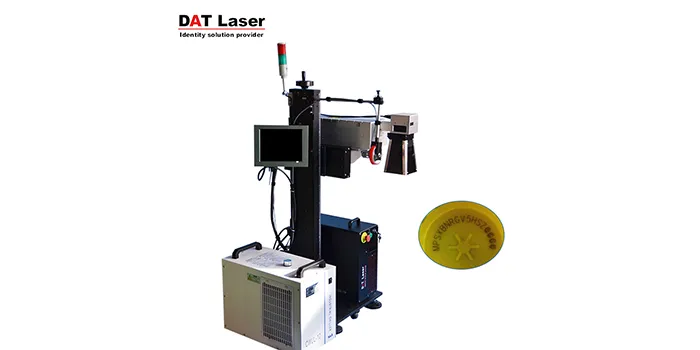
Our dual head laser machine is designed for simultaneous marking on two lines. Relevant arrangements include dual production lines, double-head extruders, and two single production lines with relatively small spacing.
This makes the double-head configuration relevant when two nearby lines require marking. Its suitability depends on whether the actual layout and operating requirements fit the equipment arrangement.
The selection should follow the production layout rather than the assumption that more marking heads are always preferable. An individual marking position and a two-line marking application have different requirements. Comparing those requirements first helps identify which configuration deserves closer consideration.
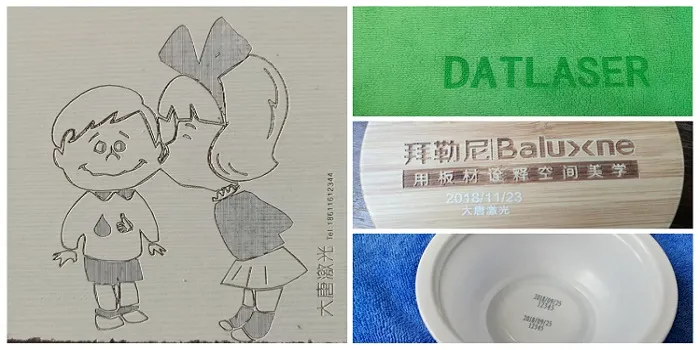
The content of a pipe mark determines what the identification communicates. Our flying fiber laser marking machine range supports text, numbers, logos, barcodes, QR codes, serial numbers, and date codes.
Text and logo functions allow manufacturers to prepare product and brand identification. A layout may combine a company name or logo with the relevant product wording.
The amount of information should suit the available surface. A layout that looks clear on a screen should also be reviewed at its intended size on the finished pipe.
Dates and serial numbers are supported marking applications. They allow manufacturers to place production references on compatible pipe materials.
The information should follow the manufacturer’s own identification rules. A clear distinction between fixed product wording and changing production references helps keep the marking layout organized.
Our flying fiber systems support variable text and Excel data sheets. These functions are relevant where marking information changes during production rather than remaining identical for every mark.
The required data workflow should be matched to the selected configuration. Support for variable information should not be interpreted as an automatic connection to every factory software system.
Barcode and QR code support offers additional formats for identification. For a pipe application, code dimensions and placement should be considered alongside the finished marking quality.
A code should be assessed using the intended reading method. The presence of a barcode or QR code in the artwork alone does not establish its readability on the finished product.
Our single-head and double-head flying fiber equipment includes applications on PVC and PE pipe materials. The appropriate configuration depends on the production arrangement and the required marking result.
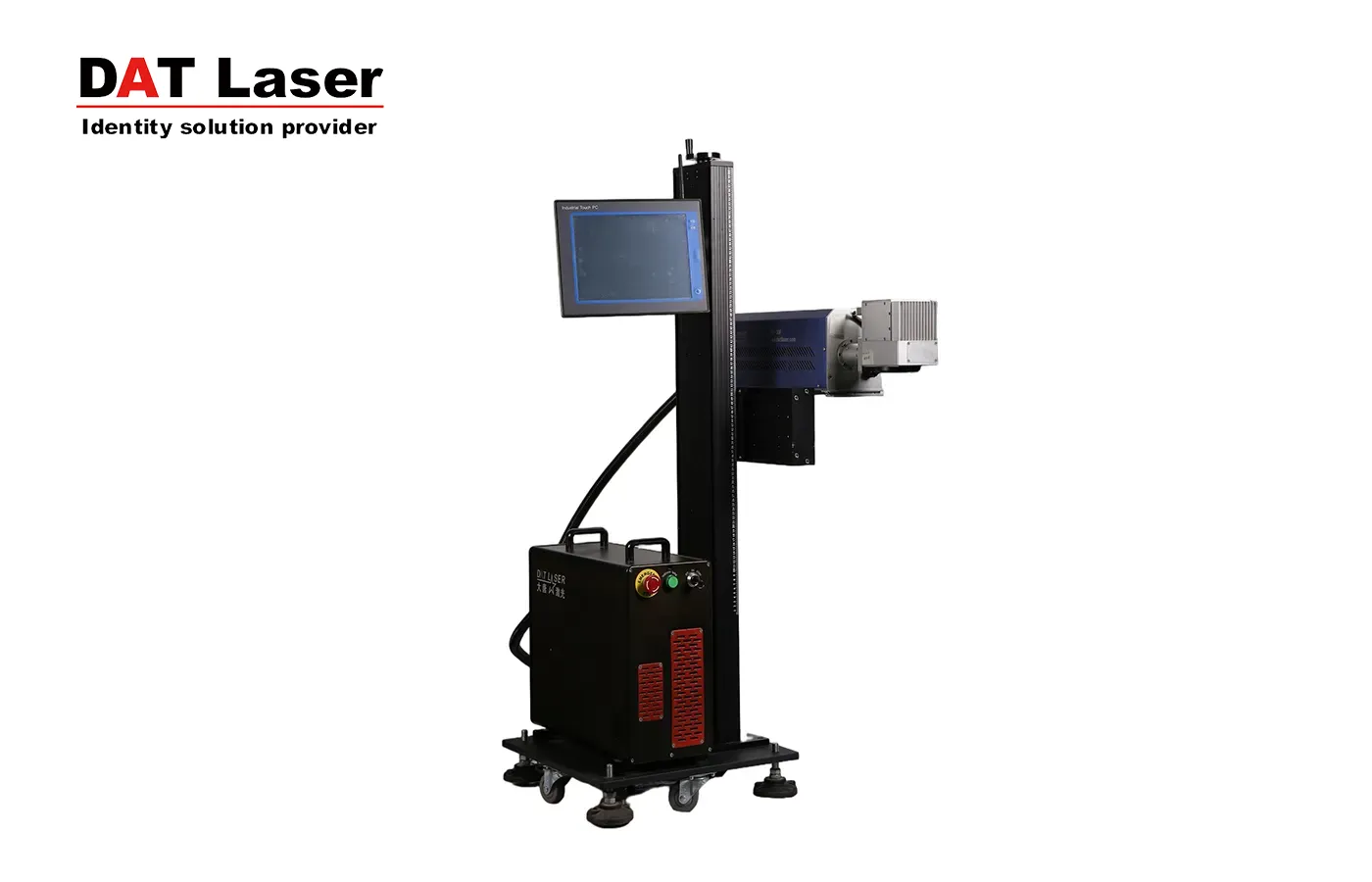
Flying equipment is intended for marking moving products. This makes it relevant to pipe production where identification is applied while the pipe continues through the marking area.
A double-head configuration can be considered for dual production lines, double-head extruders, or two nearby single production lines that require simultaneous marking.
The flying fiber range supports variable text and Excel data sheets. The specific handling of changing information should be matched to the equipment configuration and production requirements.
An application reference to PVC or PE does not establish identical results for every formulation. The finished mark should be checked on the actual material, with attention to readability and the accepted surface condition.
Plastic pipe laser marking requires equipment that matches both the material application and the production arrangement. DAT’s flying fiber range provides single-head and double-head options for compatible PVC, PE, and other plastic pipe applications.
For buyers, the main selection points are the number and arrangement of production lines, the required identification content, and the result on the actual pipe material. Our flying fiber equipment brings together production-line marking and support for multiple identification formats, helping manufacturers evaluate a configuration suited to their pipe-marking requirements.
This is the last one.