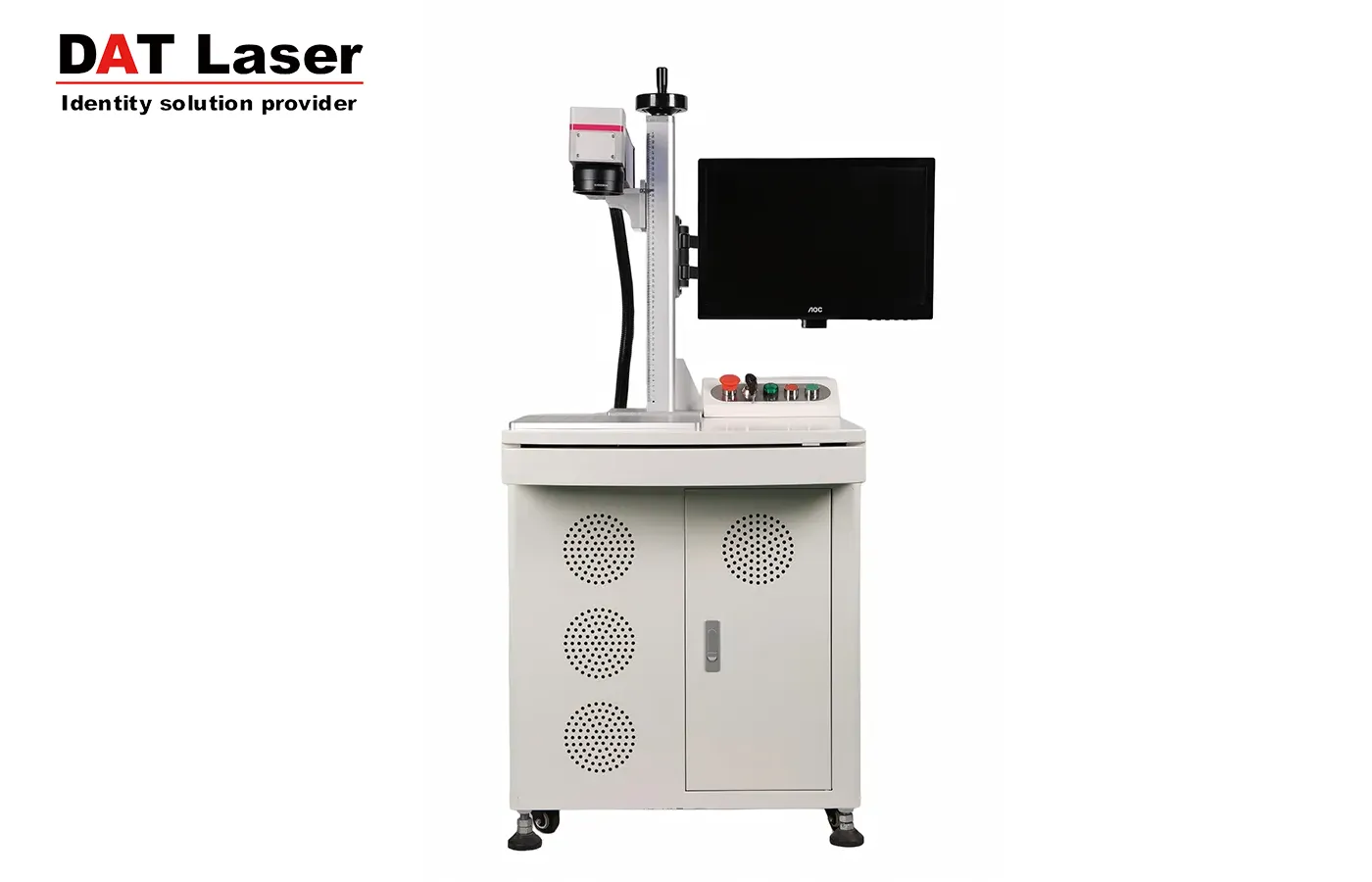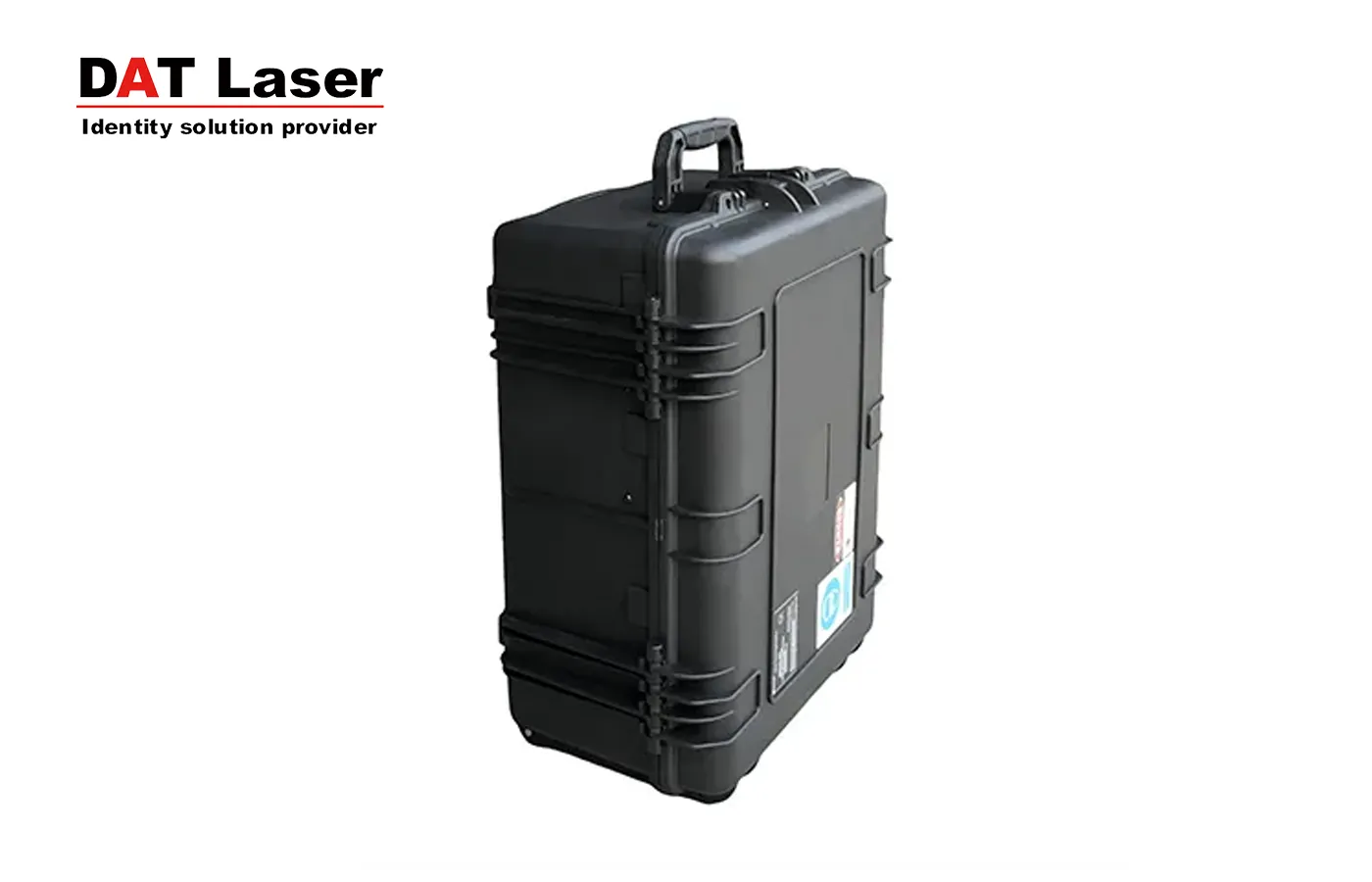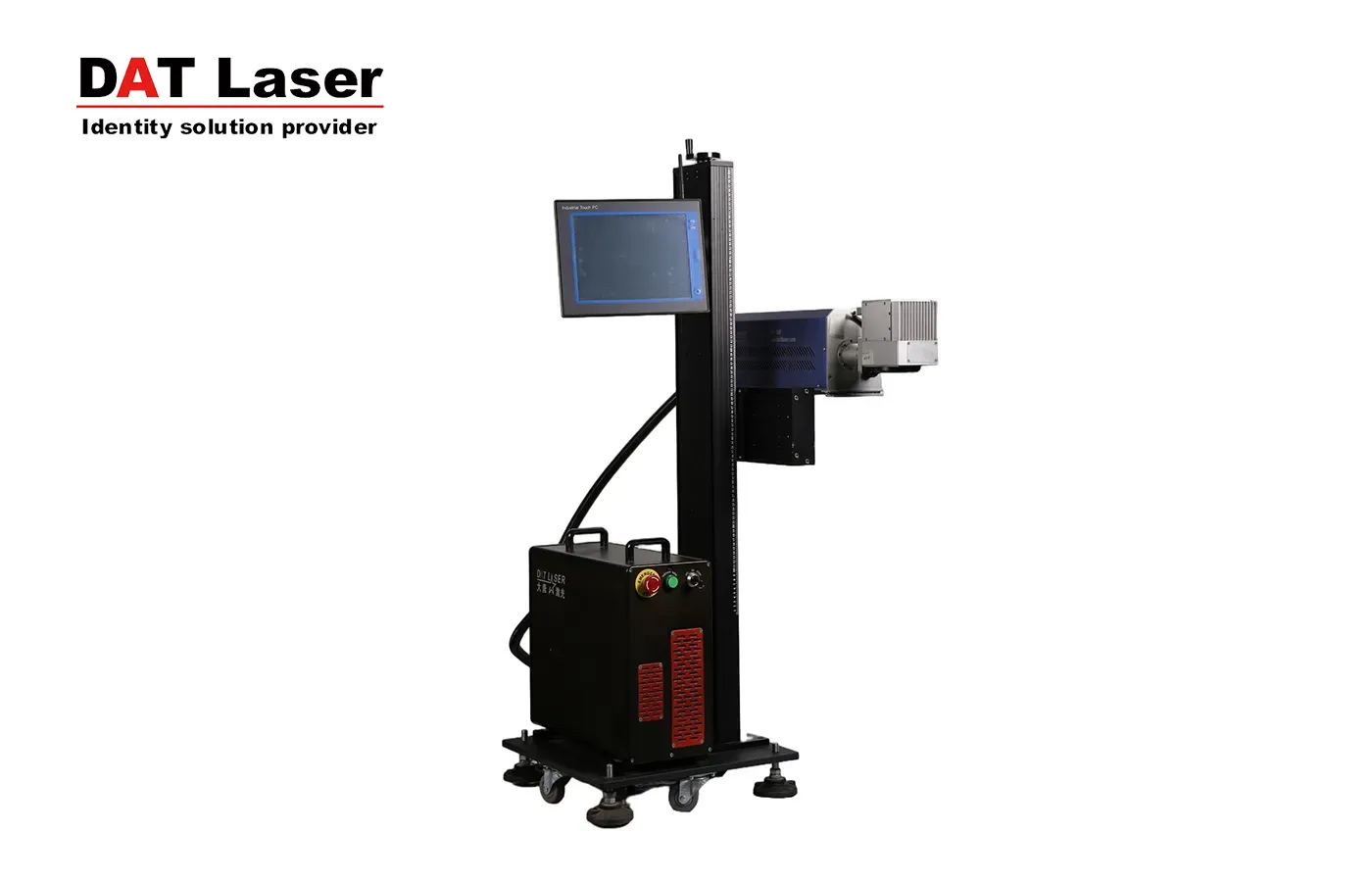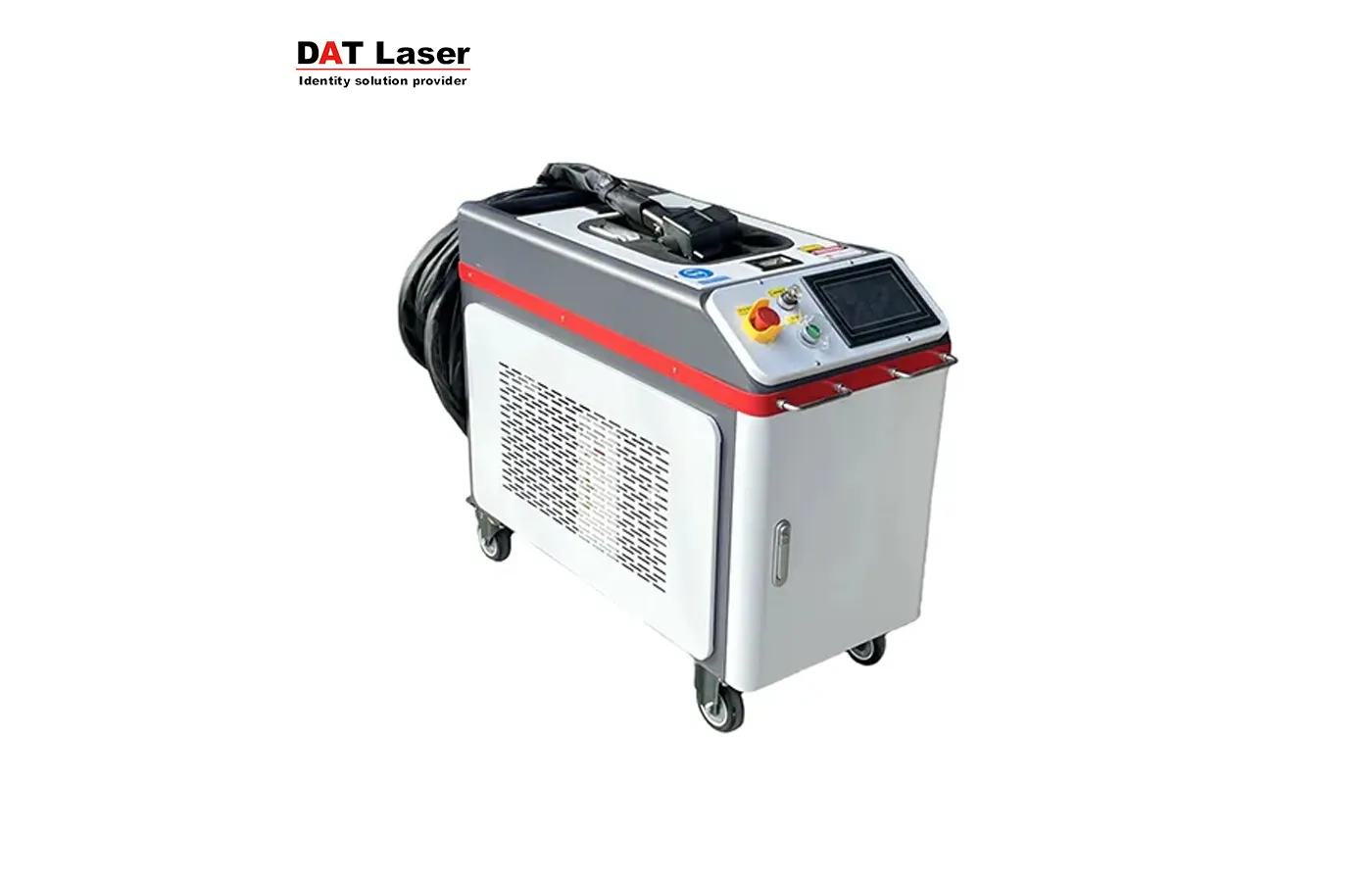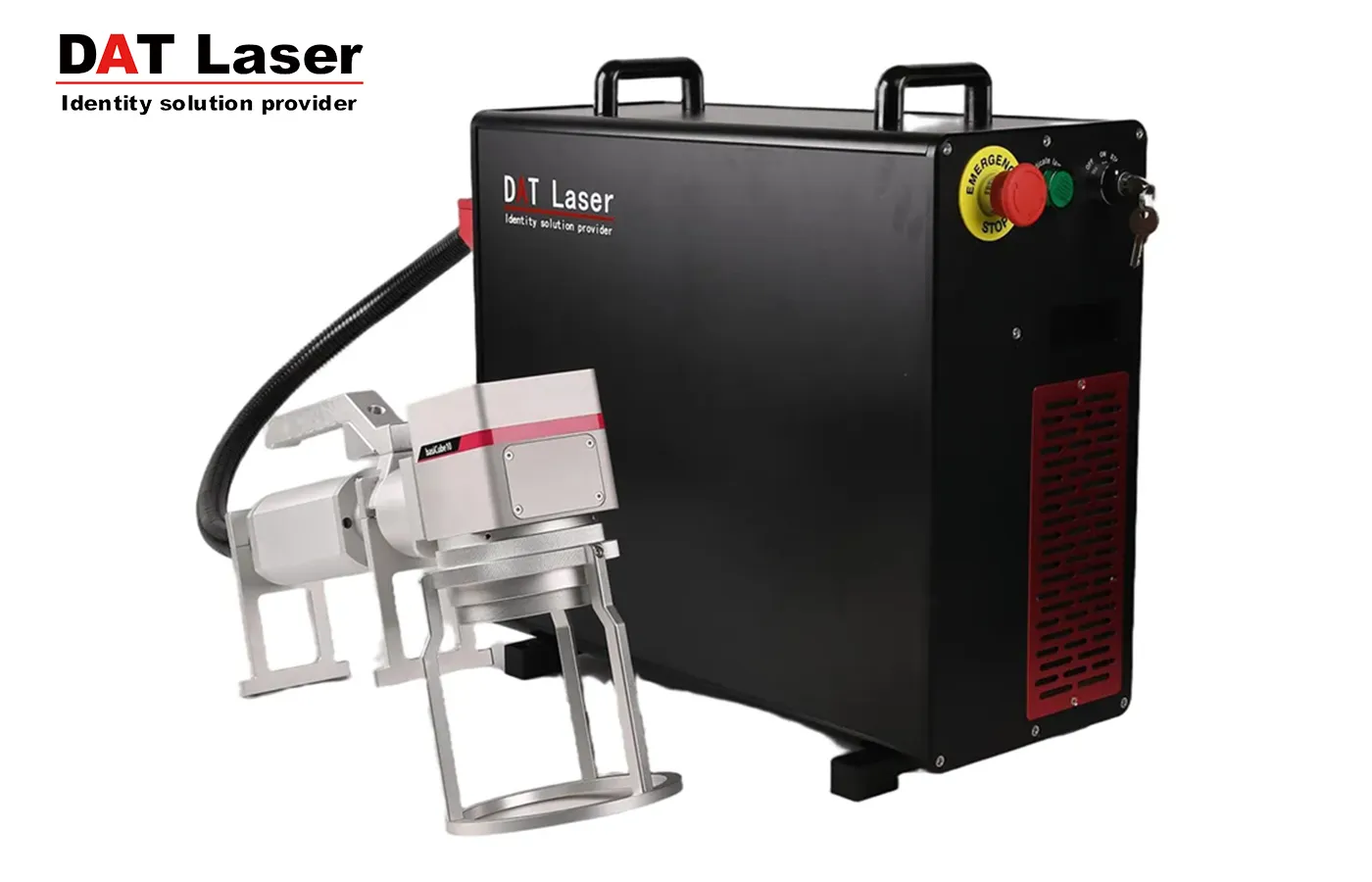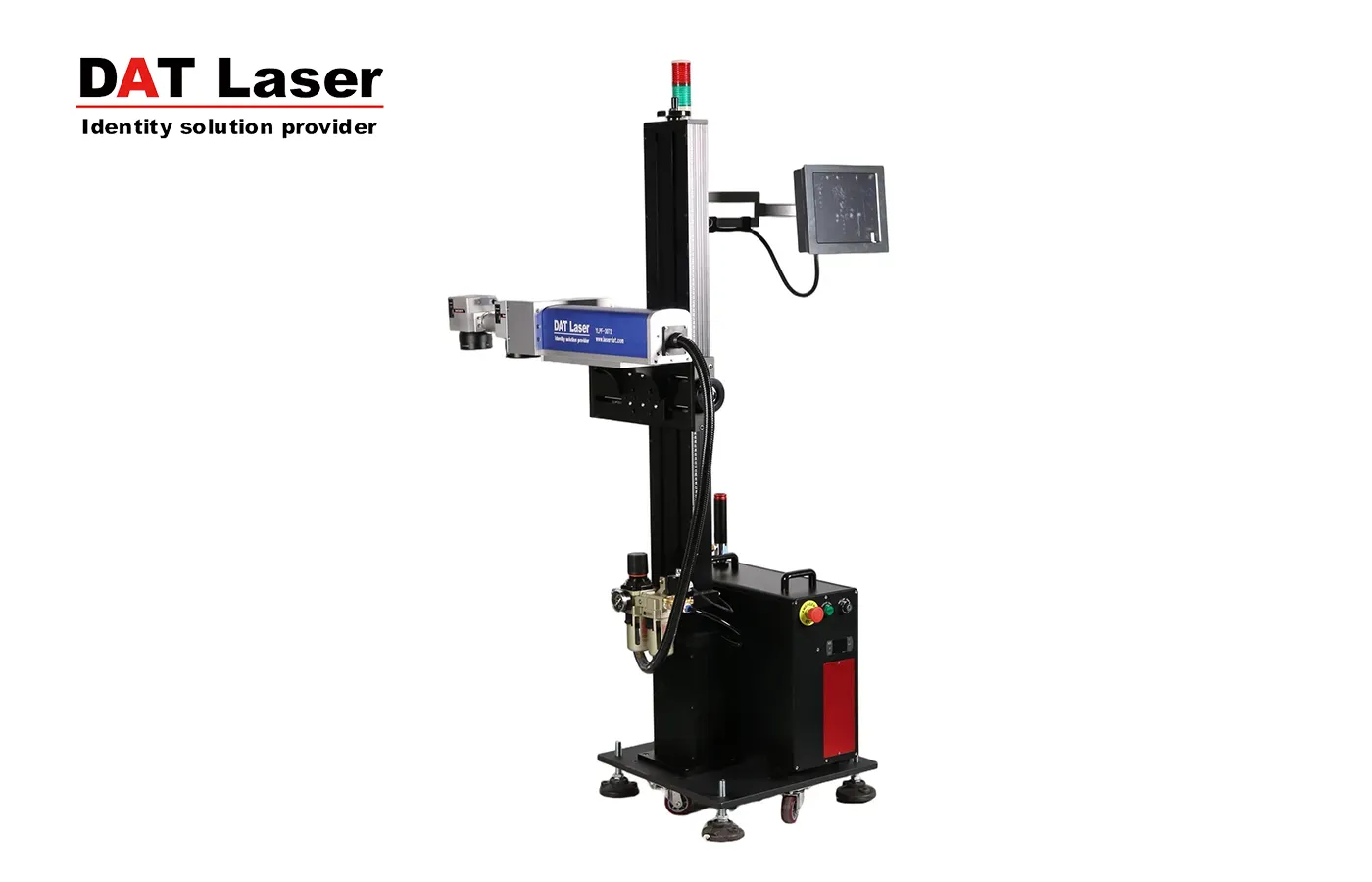
As a green and non-contact surface treatment technology, laser cleaning uses high-energy pulsed laser beams to rapidly vaporize or remove contaminants such as oil, oxide layers, paint, and other surface residues. By precisely controlling the laser parameters and cleaning depth, laser cleaning can effectively remove unwanted materials while minimizing damage to the underlying substrate.
With advantages such as no abrasive consumables, reduced secondary pollution, high precision, and easy automation integration, laser cleaning is gradually becoming an alternative to traditional grinding, chemical cleaning, and sandblasting processes. It is now widely used in automotive manufacturing, automotive component processing, new energy vehicle production, and mold maintenance.
Pre-welding treatment is one of the most important applications of laser cleaning in automotive manufacturing.
Automotive bodies increasingly use galvanized steel sheets and aluminum alloys. Oil, oxide films, and surface contaminants around welding areas can cause welding defects such as porosity, weak welds, and excessive spatter.
Laser cleaning can rapidly remove contaminants from the welding area while minimizing damage to the base material. This helps improve weld consistency, joint quality, and production yield.
In new energy vehicle battery tray manufacturing, for example, laser cleaning can remove oxide layers from aluminum alloy surfaces before welding. Proper surface preparation can help reduce welding porosity and improve the sealing reliability of battery enclosures.
After welding, laser cleaning can also be used to remove welding slag and spatter, providing a cleaner surface for subsequent painting and finishing processes.
Laser cleaning provides an efficient solution for maintaining automotive stamping molds, tire molds, and injection molds.
During long-term production, molds can accumulate:
Mold release agent residues
Carbon deposits
Rubber residues
Oil and grease
Other production contaminants
These deposits can affect the surface quality and dimensional consistency of molded components.
Traditional mold cleaning often requires disassembly and manual or abrasive cleaning, which can be time-consuming and may damage precision mold surfaces.
Laser cleaning can selectively remove contaminants from mold surfaces with high precision. Depending on the equipment configuration and application, it can also reduce the need for complete mold disassembly, helping manufacturers shorten maintenance downtime and improve production efficiency.
By keeping mold surfaces clean and maintaining their surface condition, laser cleaning can contribute to longer mold service life and more consistent component quality.
Laser cleaning is also widely used for surface preparation before painting, coating, welding, and assembly.
Before painting, laser cleaning can remove residual oil, oxide layers, and other contaminants from stamped body panels and other metal components. Proper surface preparation can improve coating adhesion and help reduce problems such as coating blistering and peeling.
Compared with chemical cleaning, laser cleaning can significantly reduce the need for chemical agents and associated liquid waste, making it a more environmentally friendly option for modern automotive production.
For automotive components such as:
Engine blocks
Wheel hubs
Brake discs
Transmission housings
Metal brackets
Structural components
laser cleaning can remove rust, carbon deposits, machining residues, and other contaminants while helping preserve the dimensional accuracy and surface condition of the components.
Coating Cleaning Video Show
Laser cleaning is particularly valuable in the manufacturing of electric vehicles (EVs) and new energy vehicle components.
Modern EV production requires highly precise surface preparation for battery, motor, and electrical components. Laser cleaning can provide localized and controlled removal of coatings, oxides, and contaminants.
Typical applications include:
Laser technology can selectively remove insulation coatings from enameled copper wire used in electric motors, preparing specific areas for electrical connections while minimizing damage to the copper conductor.
Laser cleaning can remove oxide layers and surface contaminants from copper busbars before welding or electrical connection, helping improve surface cleanliness and process consistency.
Battery tabs require controlled surface preparation before welding and other joining processes. Laser cleaning can remove unwanted oxides and surface contamination from battery tab areas with high precision.
These applications are particularly important for power batteries, electric motors, and electrical control systems, where precise processing and reliable connections are essential.
Laser cleaning can also be used in vehicle refurbishment, component repair, and classic car restoration.
It can selectively remove:
Old paint
Rust
Surface oxidation
Localized contamination
while preserving areas of the original substrate that do not require treatment.
This makes laser cleaning suitable for localized restoration work where precise control of the cleaning area is important.
For classic vehicle restoration and automotive component refurbishment, laser cleaning can help restore metal surfaces while reducing the risk of excessive mechanical abrasion associated with conventional grinding or blasting methods.
As automotive manufacturing moves toward greater automation and smart production, laser cleaning is increasingly being integrated with industrial robots, machine vision systems, automated positioning systems, and production lines.
Automated laser cleaning systems can provide:
Precise positioning
Consistent cleaning quality
Repeatable processing parameters
Automated part handling
Continuous production
Integration with existing manufacturing systems
For high-volume automotive production, robotic laser cleaning can perform repetitive surface treatment tasks with greater consistency while reducing manual intervention.
| Application | Contaminants Removed | Typical Components |
| Welding Preparation | Oil, Oxide, Zinc Residues | Body Panels, Battery Trays |
| Mold Cleaning | Carbon, Rubber, Release Agent | Tire & Injection Molds |
| Rust Removal | Rust, Oxide | Brake Discs, Hubs, Chassis Parts |
| Paint Removal | Paint, Coatings | Body Parts, Components |
| EV Manufacturing | Oxide, Coating | Battery Tabs, Busbars, Motor Parts |
| Surface Preparation | Oil, Oxide, Residues | Engine & Transmission Parts |
From welding preparation and mold maintenance to automotive component cleaning, EV battery manufacturing, and vehicle restoration, laser cleaning is becoming an important surface treatment technology throughout the automotive industry.
Its combination of non-contact processing, precise contaminant removal, low consumable requirements, reduced environmental impact, and automation compatibility makes it a valuable alternative to traditional grinding, chemical cleaning, and sandblasting processes for many automotive applications.
As automotive manufacturing continues to evolve toward electric vehicles, intelligent production, and green manufacturing, laser cleaning technology will play an increasingly important role in improving production efficiency, surface quality, and process consistency.
DAT Laser provides laser cleaning solutions for automotive manufacturers and component suppliers, including applications such as rust removal, paint stripping, oxide removal, mold cleaning, welding preparation, and EV component surface treatment. By selecting the appropriate laser power, wavelength, pulse parameters, and cleaning configuration, manufacturers can develop a laser cleaning process tailored to their specific automotive application.
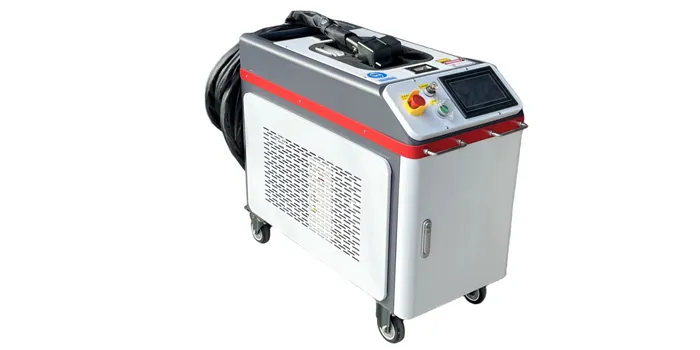
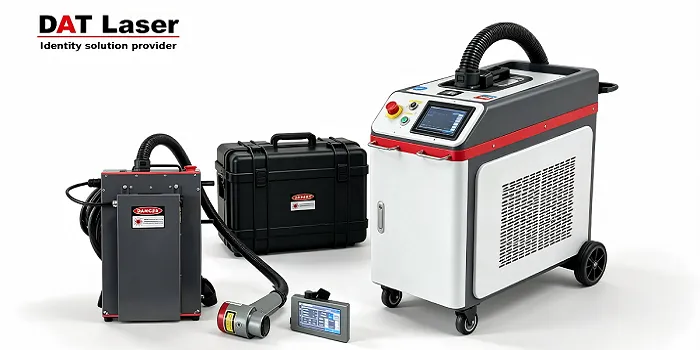
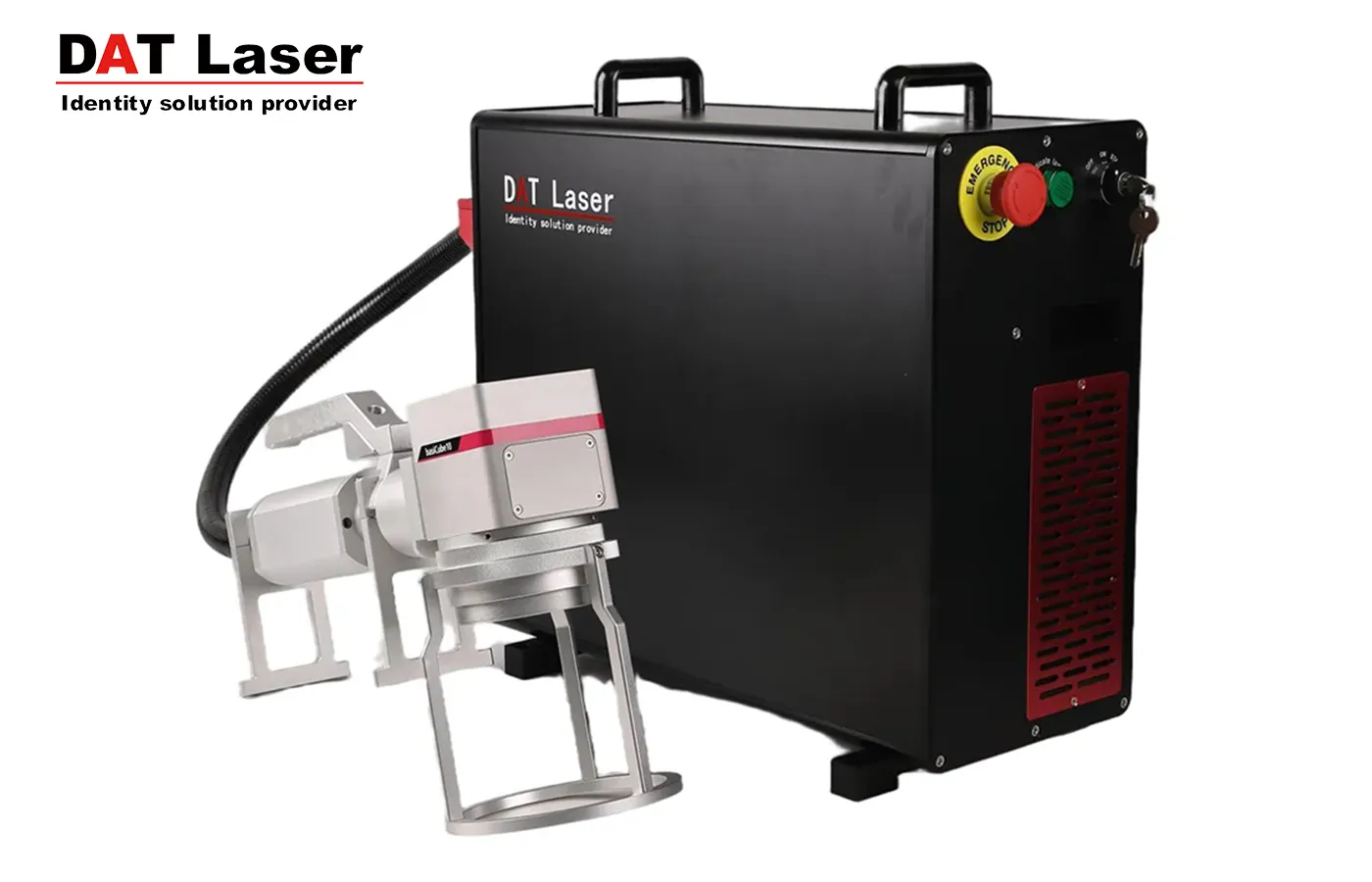
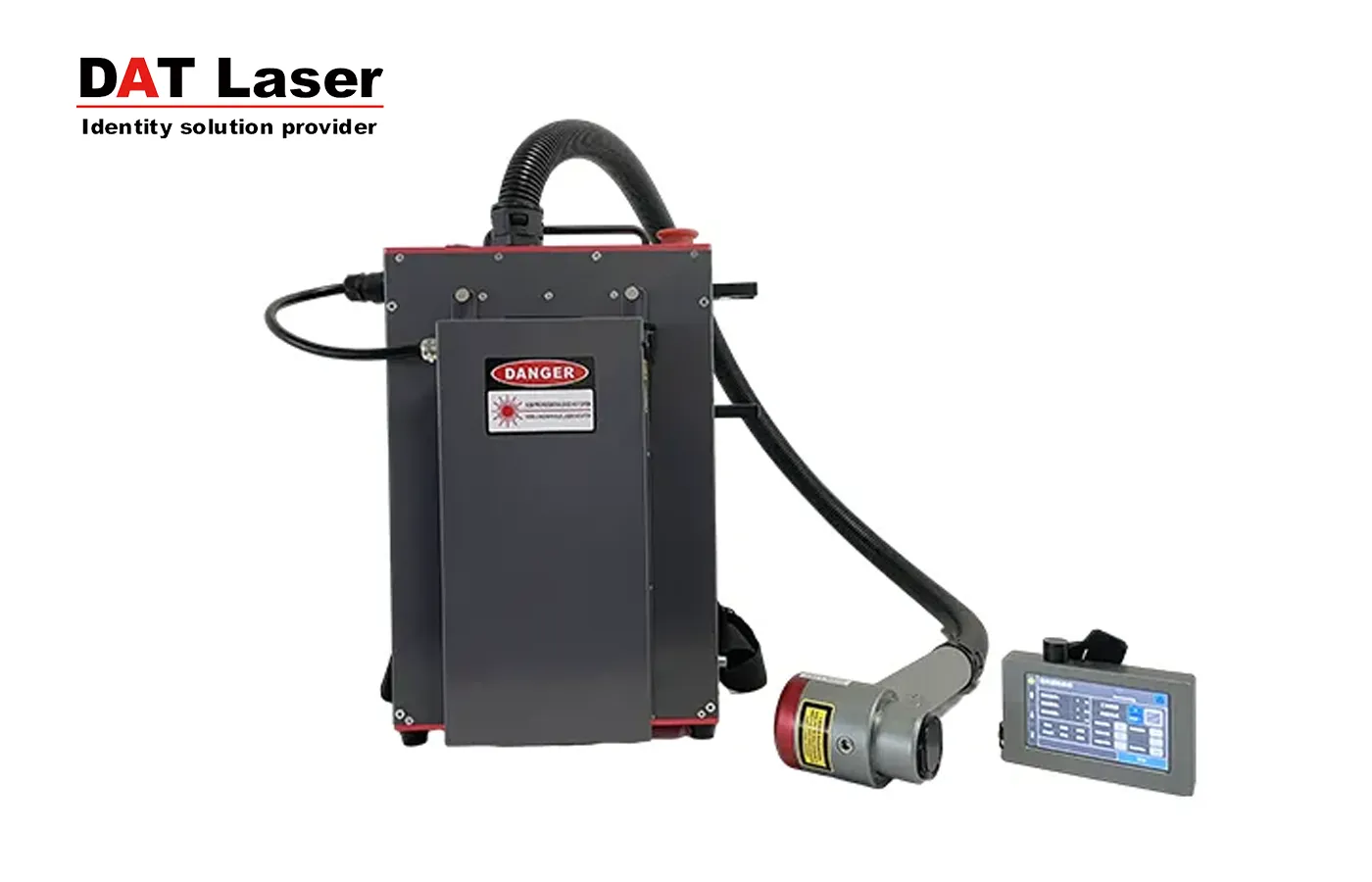
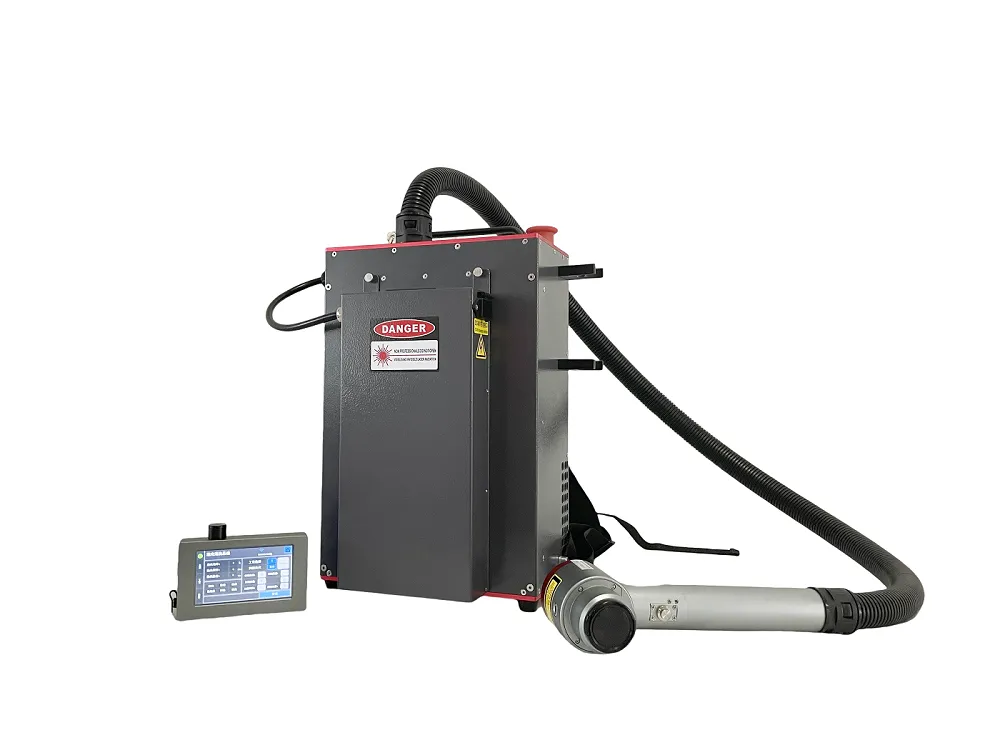
50W/100W/200W/300W/500W Back Pack Laser Cleaning Machine
This is the first one.