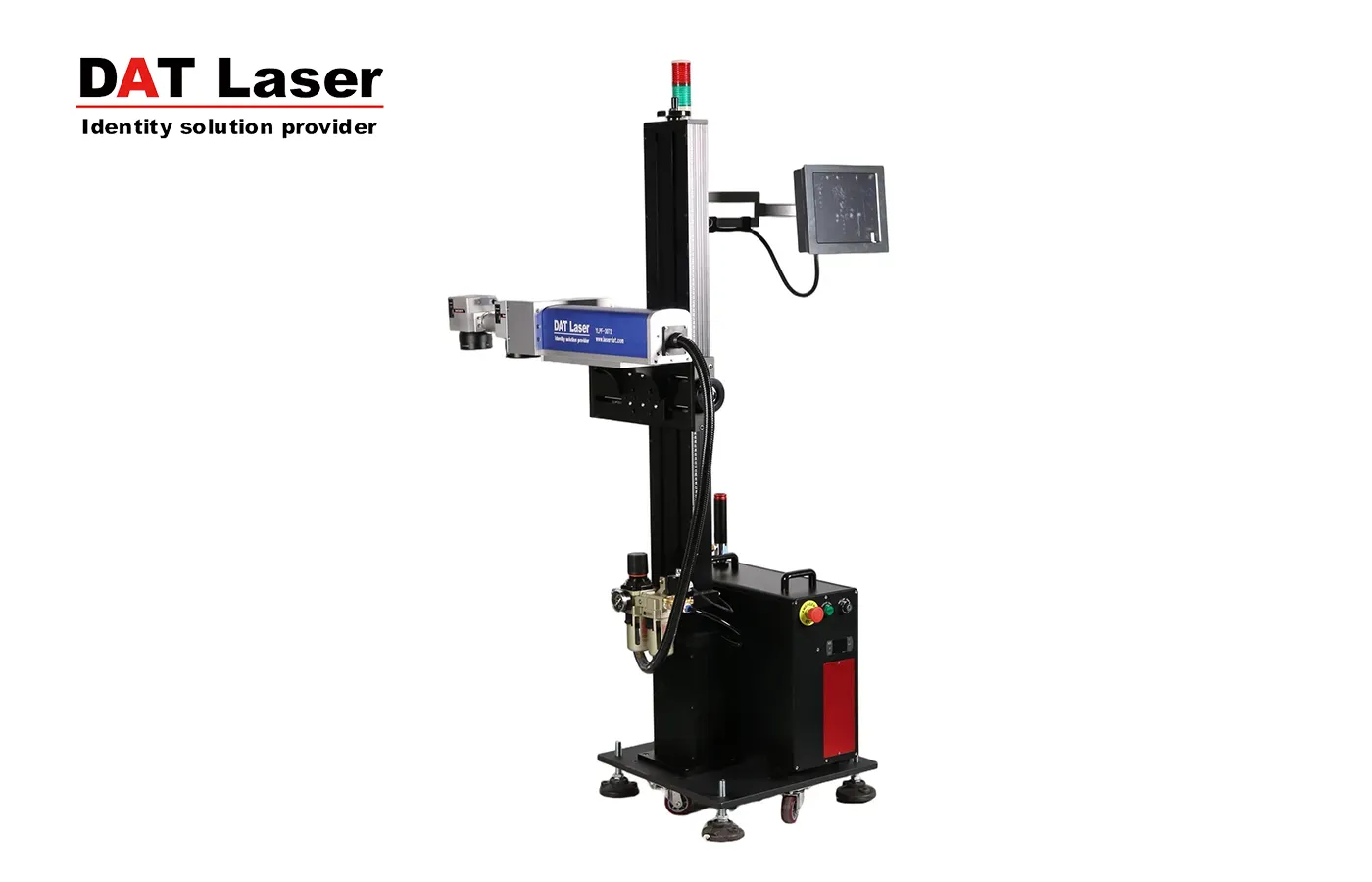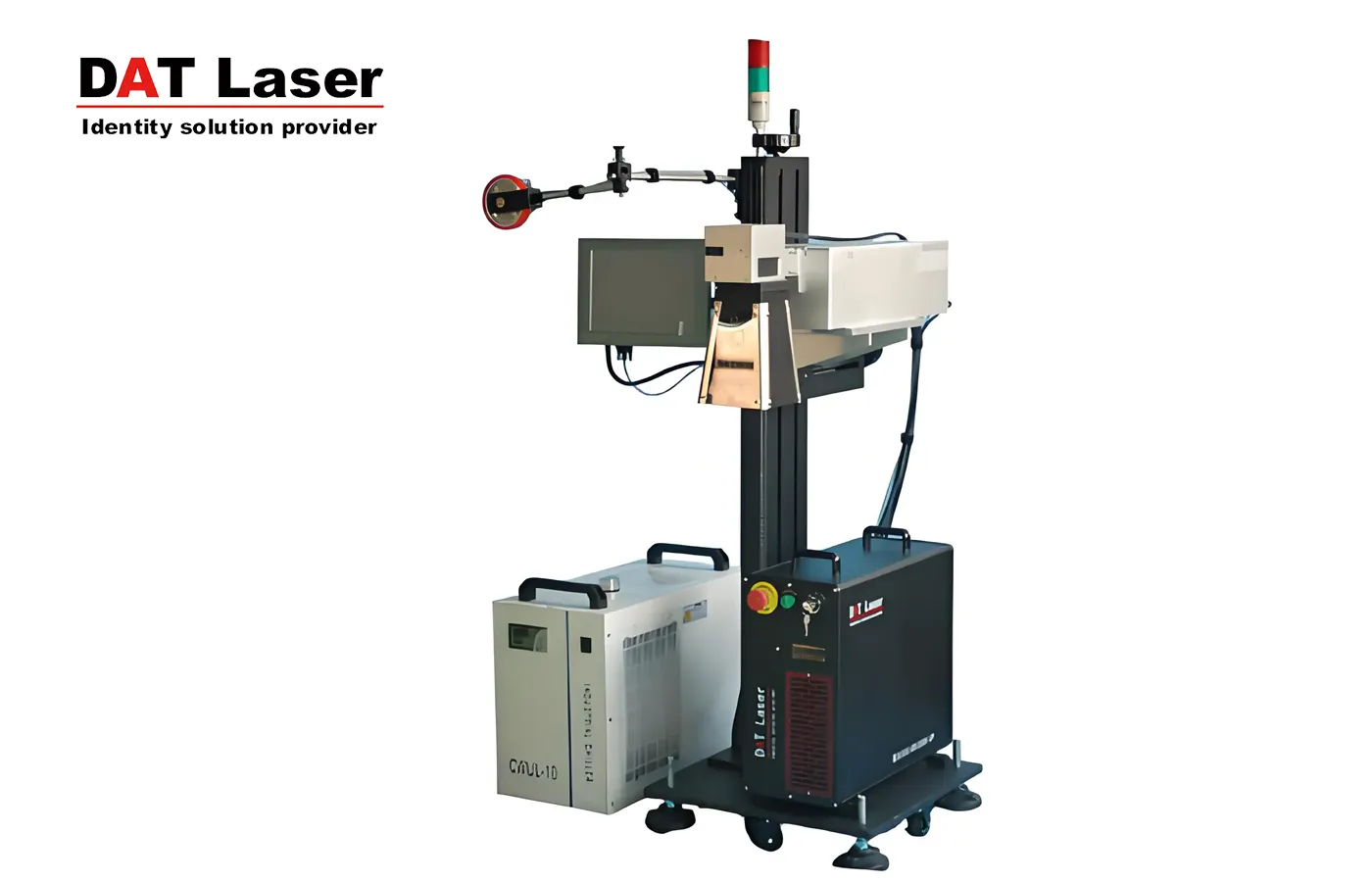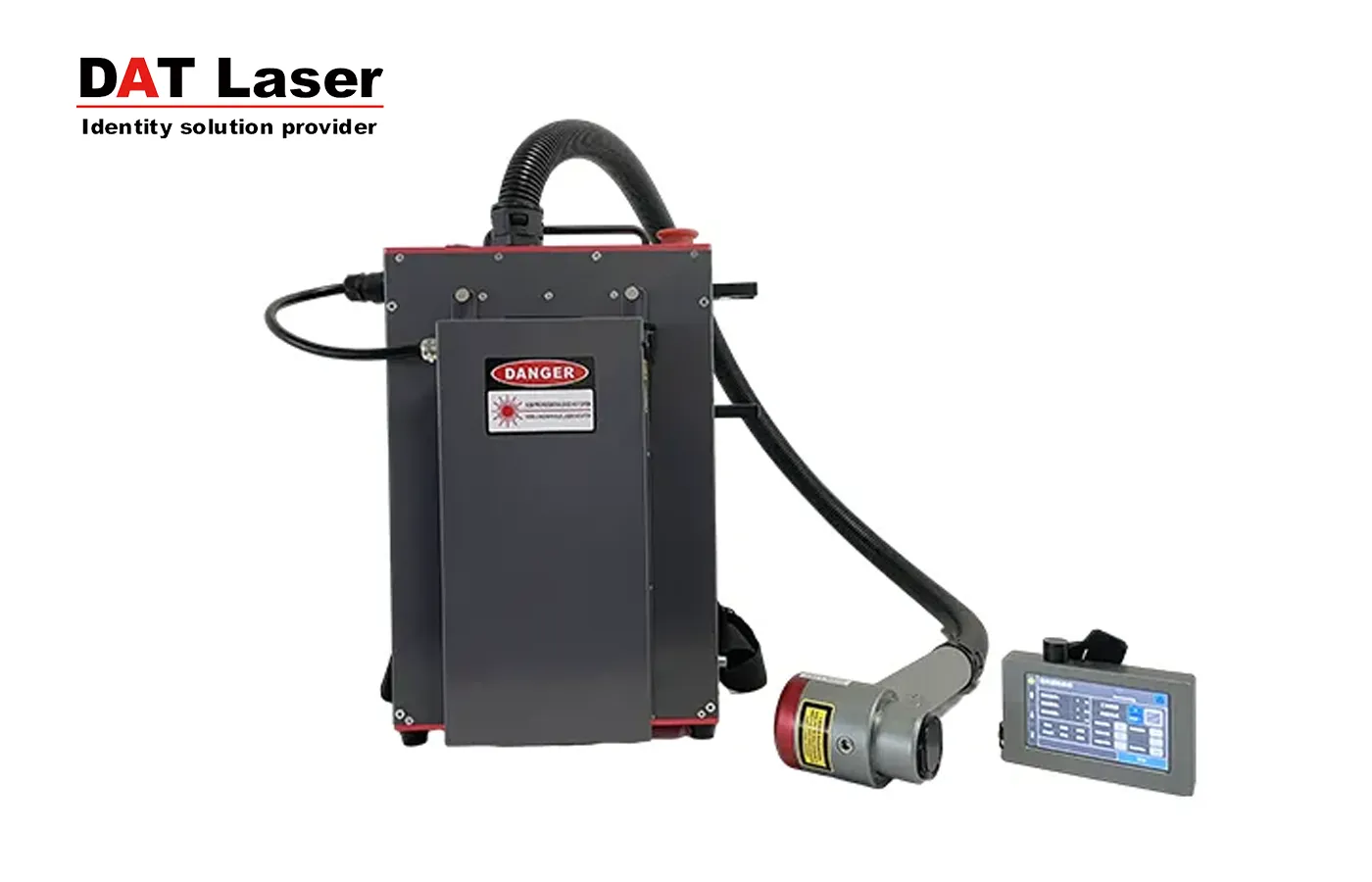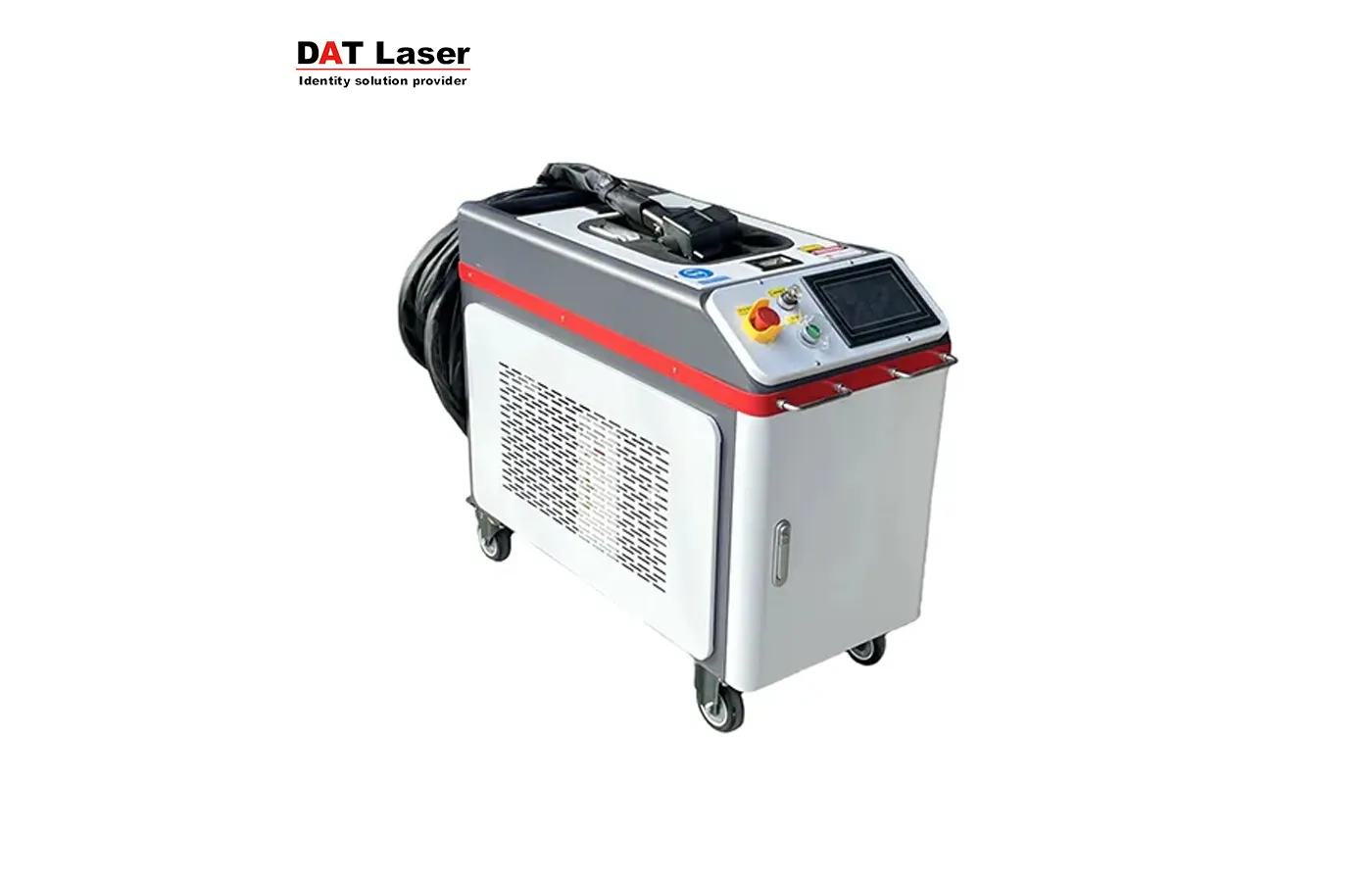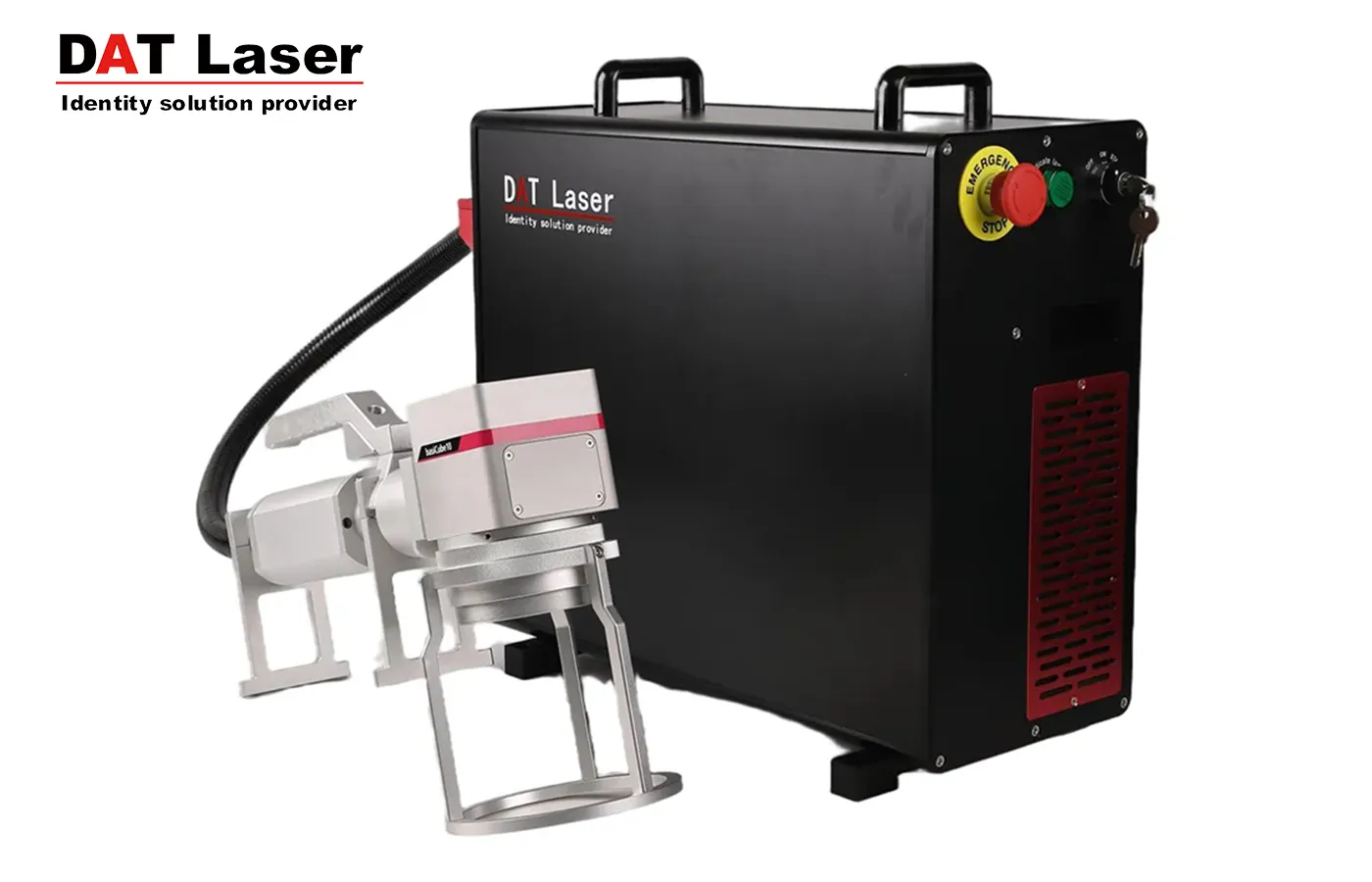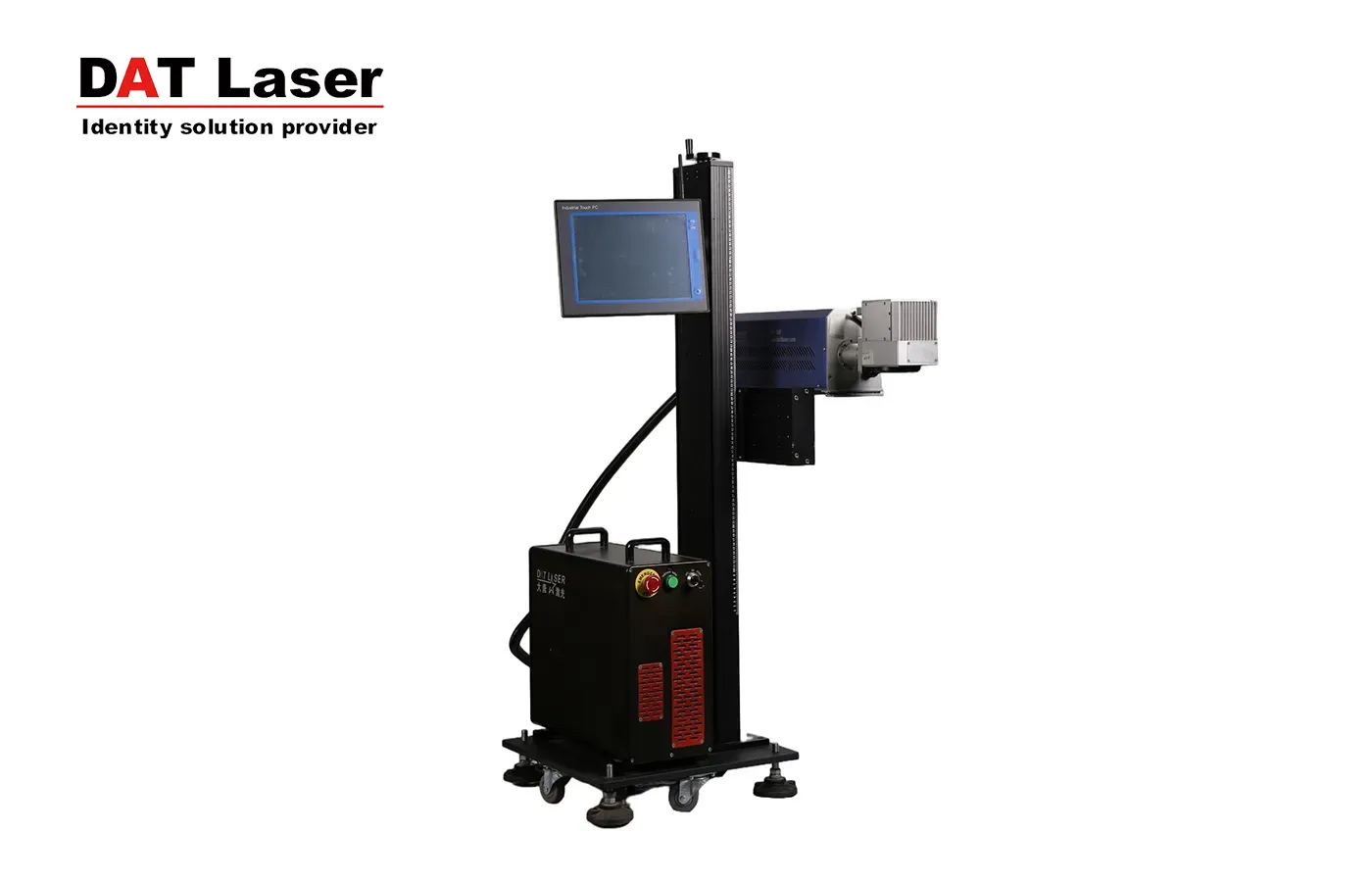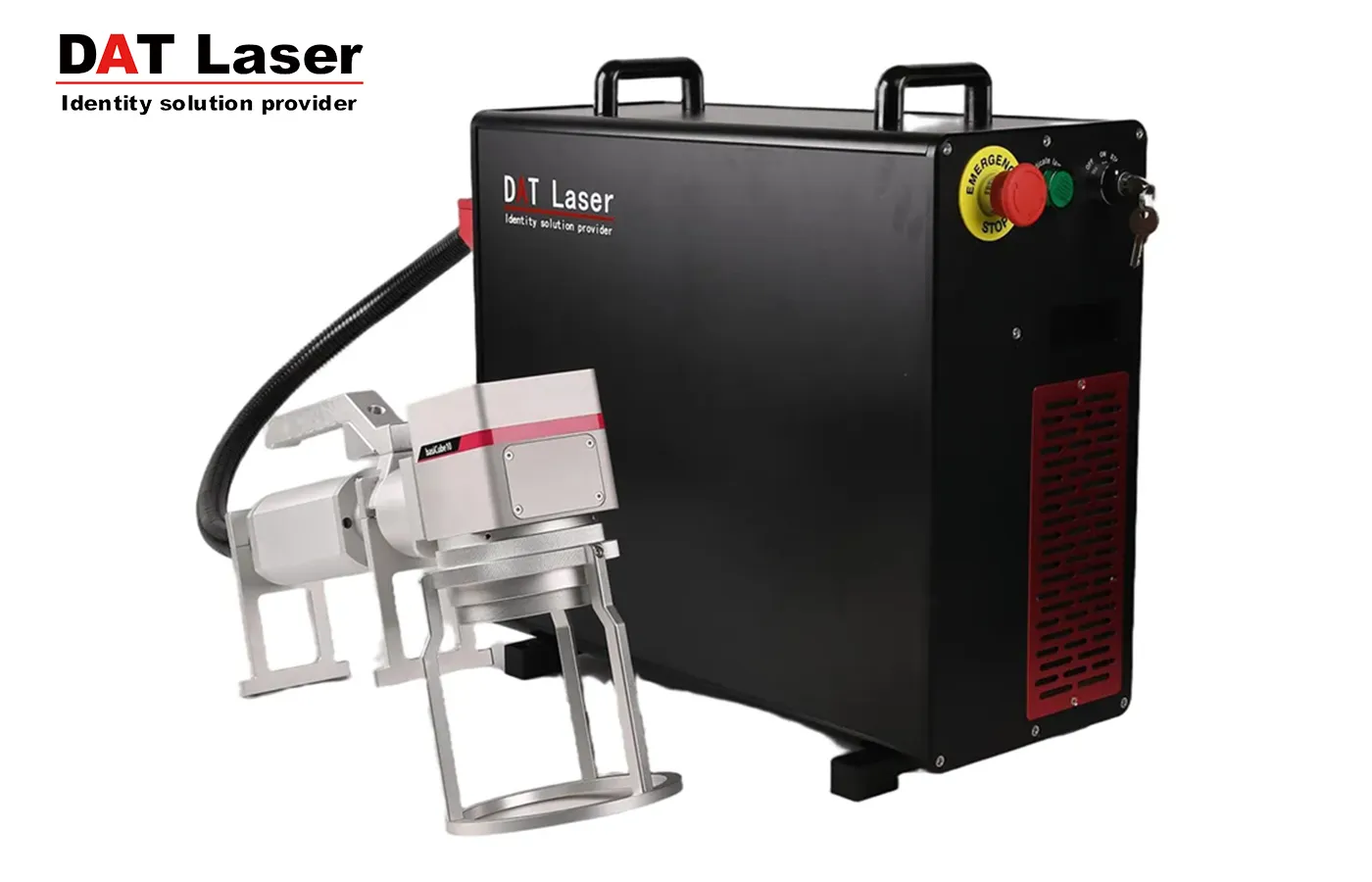
Laser cleaning is widely regarded as one of the most promising green cleaning technologies of the 21st century. Without damaging the substrate surface, laser cleaning can modify the grain structure and orientation of the base material while precisely controlling surface roughness, thereby significantly improving the overall performance of the substrate.
With the rapid advancement of industrialization and the steady promotion of global carbon neutrality (dual-carbon) goals, laser cleaning is gradually replacing traditional cleaning methods in many industries. It has become an indispensable manufacturing technology in industrial production, defense, shipbuilding, aerospace, aviation, and other high-end manufacturing fields.
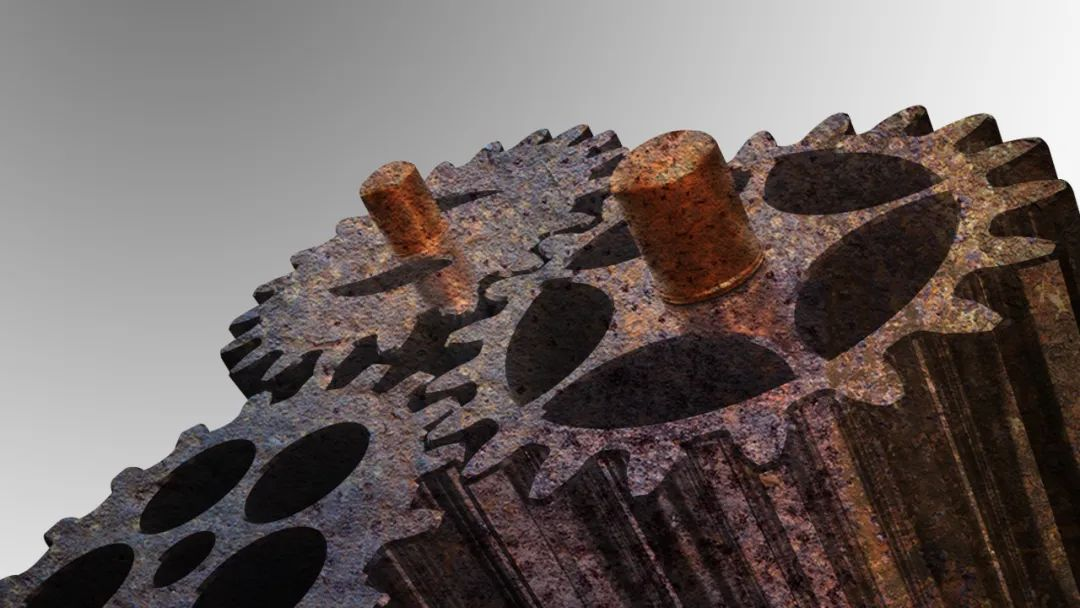
*Comparison before and after laser cleaning
The concept of laser cleaning originated in the mid-1980s. Its working principle is based on the unique characteristics of laser beams, including:
High energy density
Precise direction control
Strong focusing capability
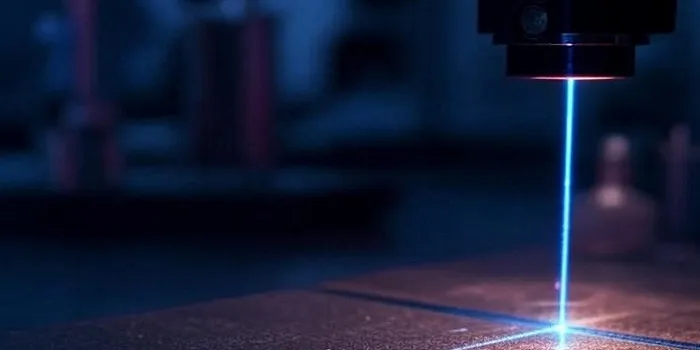
When the laser beam interacts with contaminants adhered to the workpiece surface—such as oil, grease, rust, dust, slag, paint coatings, oxide layers, or surface films—the contaminants rapidly absorb laser energy. This causes instant thermal expansion, melting, vaporization, or micro-explosive effects, allowing the contaminants to separate from the substrate surface without damaging the base material.
| Item | Laser Cleaning | Chemical Cleaning | Mechanical polishing |
| Cleaning Instructions | Non-contact laser technology | Contact-based chemical cleaning agents | Mechanical/abrasive contact method |
| Workpiece damage | Non-damaging | Damaging | Damaging |
| Cleaning efficiency | High efficiency | Low (effectiveness) | Low (effectiveness) |
| Consumables | Requires only electricity | Chemical cleaning agents | Abrasive paper, grinding wheel, whetstone |
| Cleaning effect | High cleanliness | General, uneven | Generally uneven |
| Precision cleaning | Precise and controllable, high accuracy | Uncontrollable, poor precision | Uncontrollable, average precision |
| Contamination | Pollution-free | Environmentally polluting | Pollutes the environment |
| Manual operation | Simple operation, Easy to integrate into automation | Complex process, high operational requirements, requires pollution control measures | Time-consuming and labor-intensive ,Requires pollution control measures |
| Cost investment | High initial investment, no consumables, low maintenance costs | Low initial investment, extremely high consumable costs | High initial investment,High consumable and labor costs |
*Advantages of Laser Cleaning Technology (compared to other methods)
The laser cleaning process is complex and generally involves several mechanisms, including:
Laser vaporization and decomposition
Laser stripping and delamination
Thermal expansion of contaminant particles
Vibration of the substrate surface
Detachment and removal of contaminants
Currently, the main laser cleaning methods include:
Laser ablation cleaning
Liquid-film assisted laser cleaning
Laser shock wave cleaning
These methods can efficiently and stably clean a wide range of regular and irregular surfaces, including metals, alloys, glass, and various composite materials.
Laser cleaning is a truly green and environmentally friendly cleaning method. It does not require chemical agents or cleaning liquids. The removed waste is mainly solid powder with small volume, easy storage, and recyclability.
There are no photochemical reactions and no secondary pollution, effectively eliminating the environmental issues caused by chemical cleaning. In most cases, a simple dust extraction system is sufficient to handle the waste.
Traditional cleaning methods are often contact-based, which may cause mechanical damage to the surface or leave cleaning media residues, resulting in secondary contamination.
Laser cleaning, however, is non-contact, non-abrasive, and low-thermal, ensuring that the substrate remains intact while achieving excellent cleaning results.
Laser energy can be transmitted through optical fibers and integrated with robotic arms and automated systems, enabling remote and precise operation.
This makes laser cleaning especially suitable for hazardous or hard-to-reach environments, significantly improving operator safety.
Laser cleaning can remove various types of contaminants from different materials and achieve a level of cleanliness that conventional methods cannot reach.
It also allows selective cleaning, removing contaminants without damaging the underlying material.
Laser cleaning offers high speed and efficiency, saving significant time during production.
Although the initial investment in a laser cleaning system may be higher, the equipment provides long-term stable operation, low maintenance costs, and excellent compatibility with automation—resulting in lower overall operating costs in the long run.
With its environmental benefits, superior cleaning performance, precise control, and long-term cost advantages, laser cleaning technology is rapidly becoming a core process in modern and sustainable manufacturing. It represents the future direction of industrial cleaning and surface treatment.