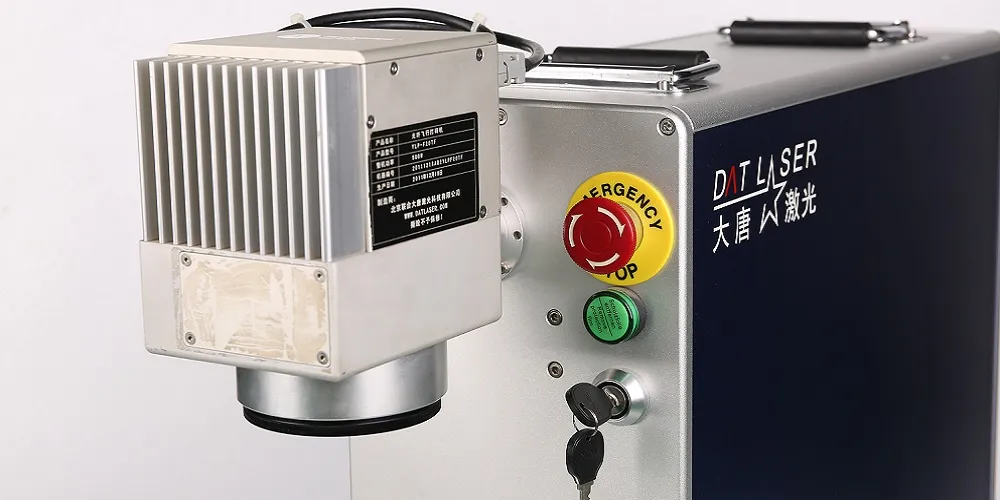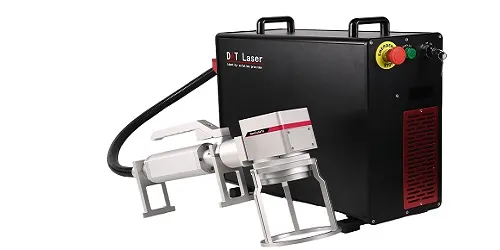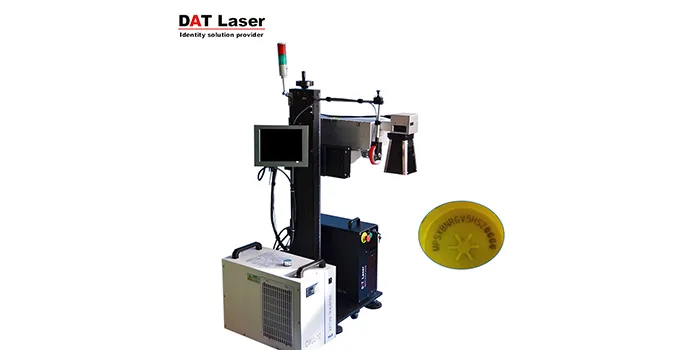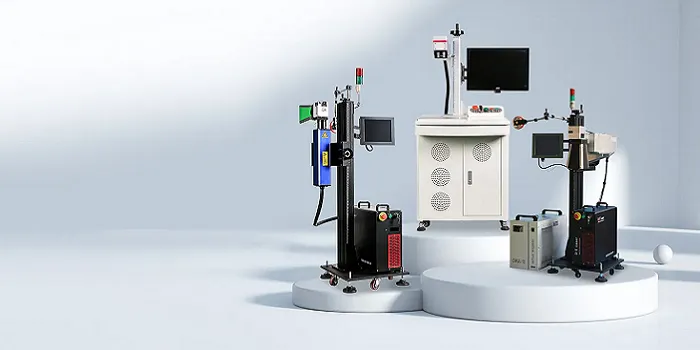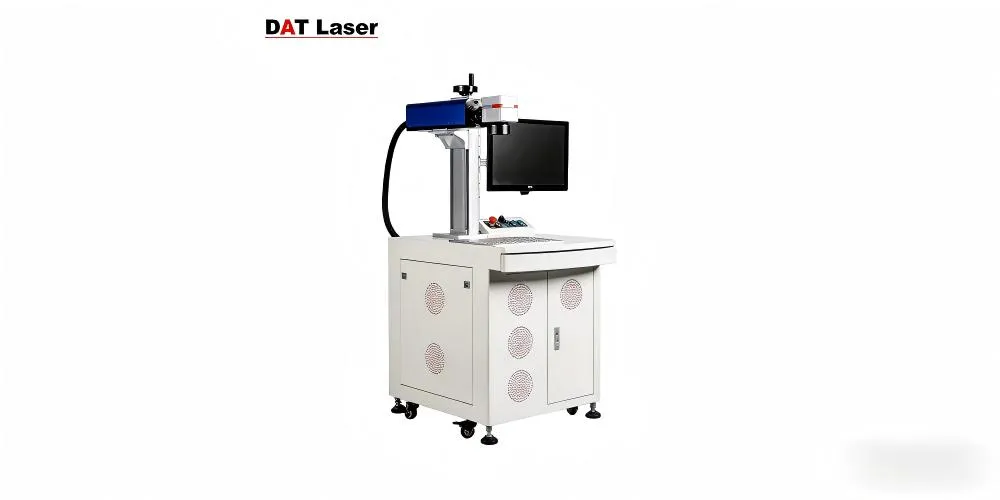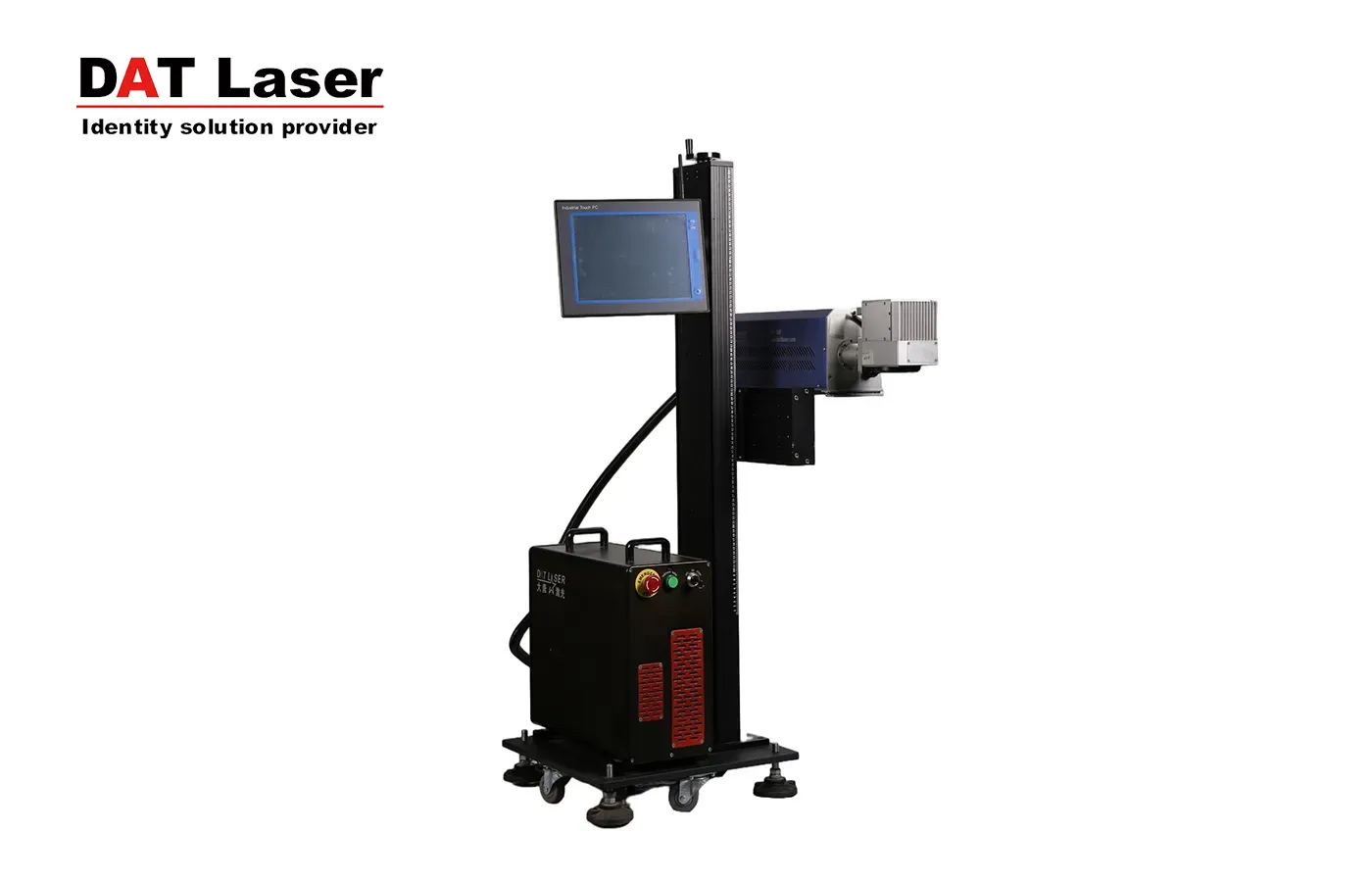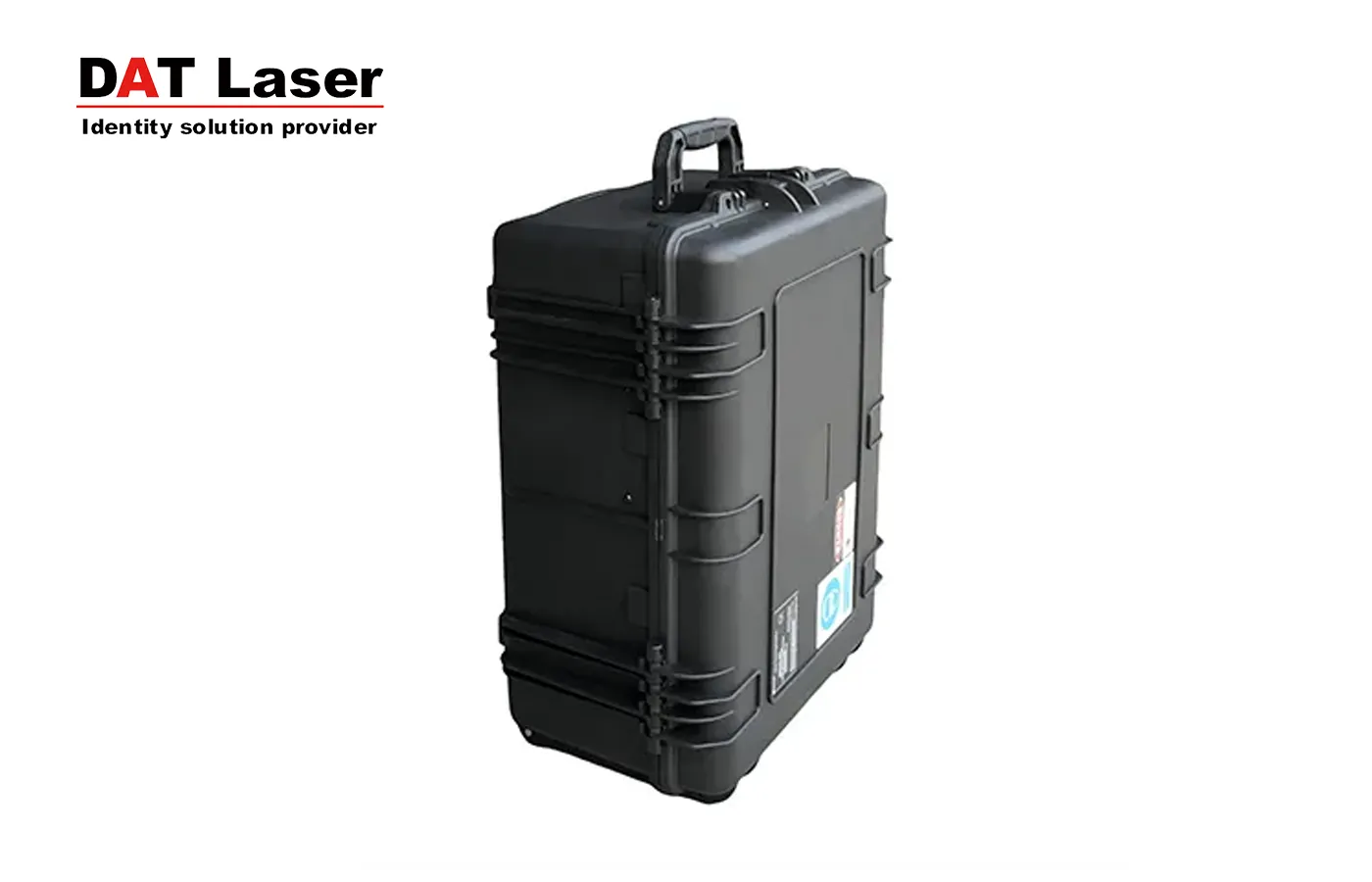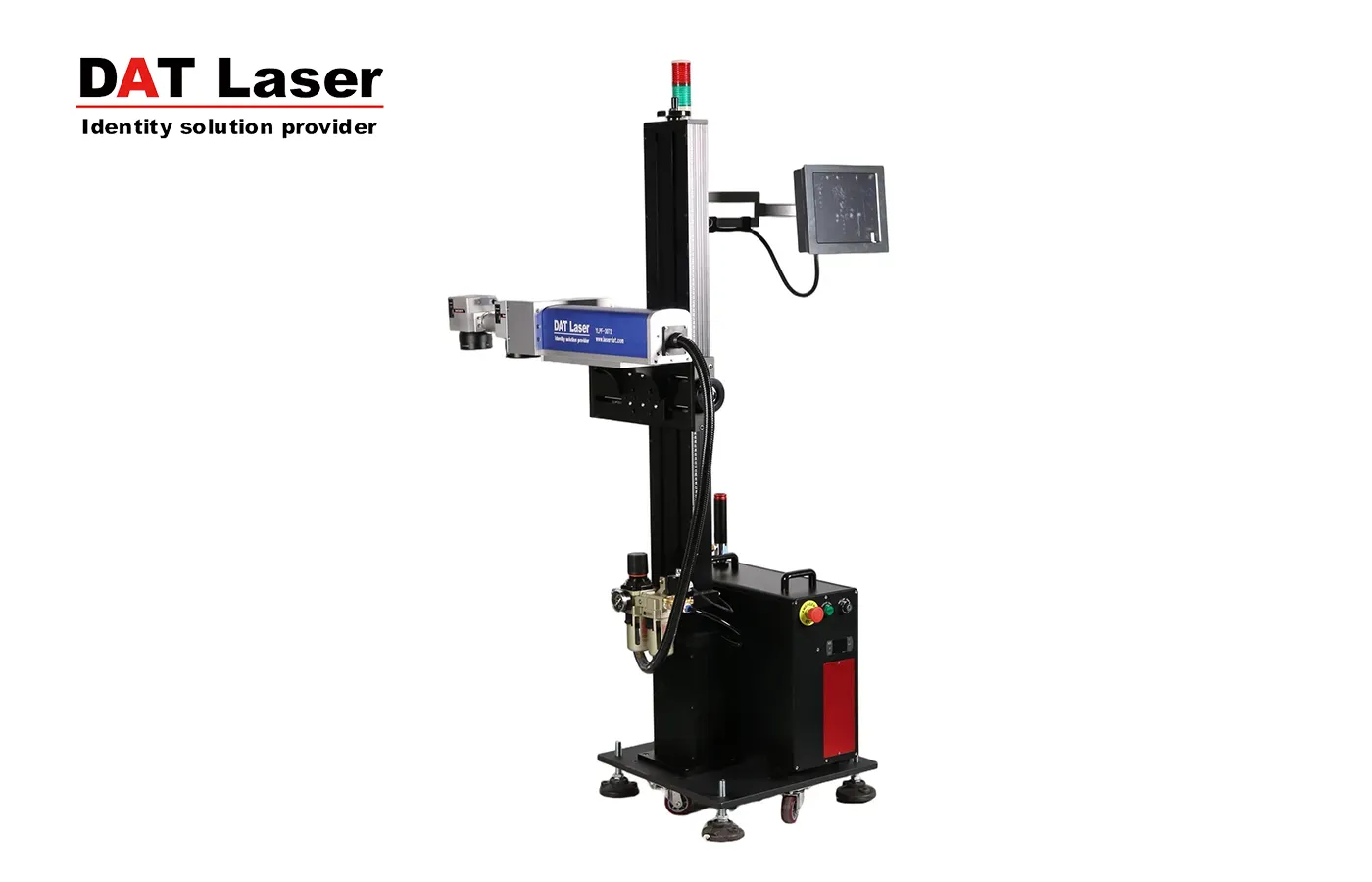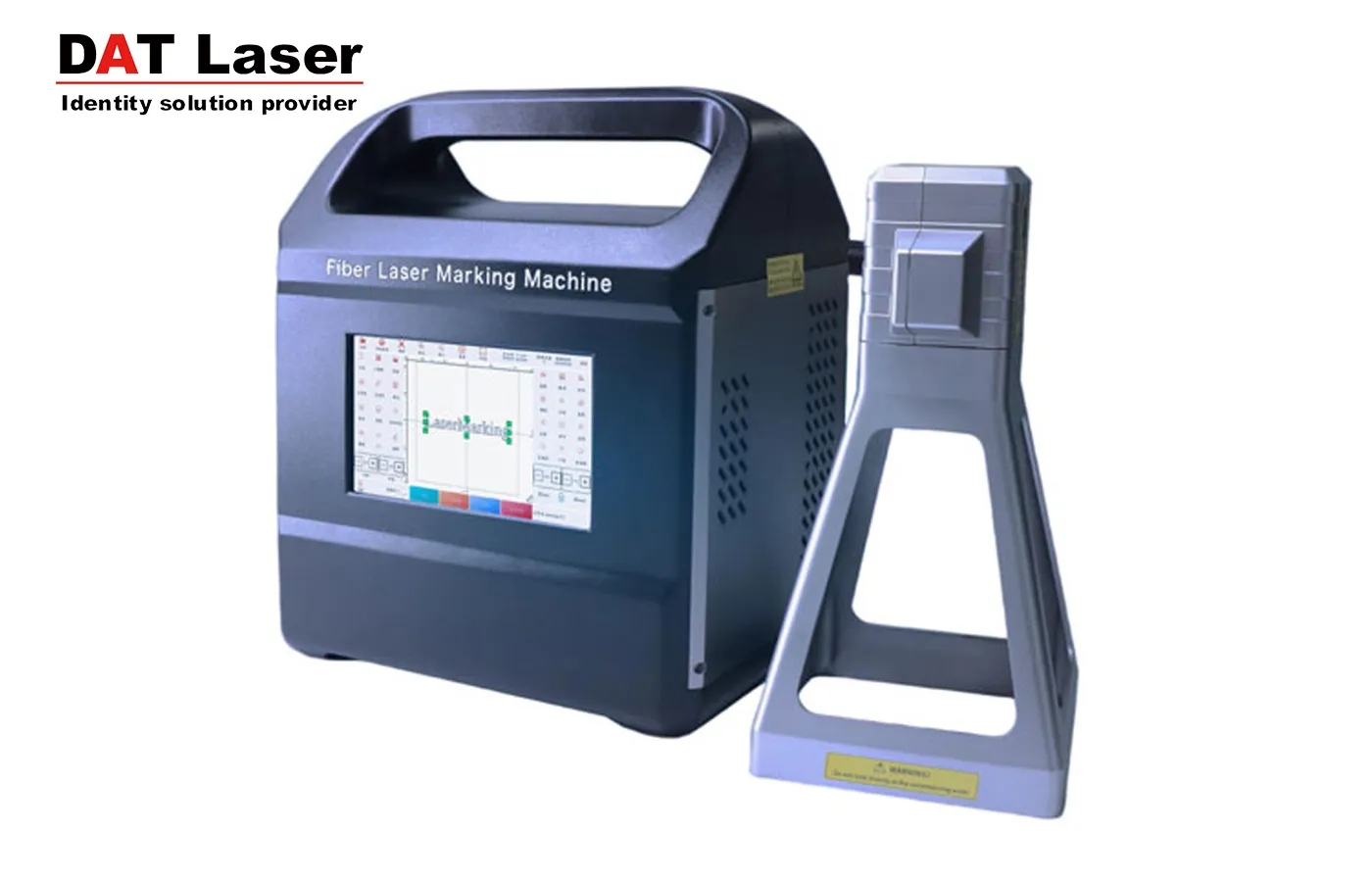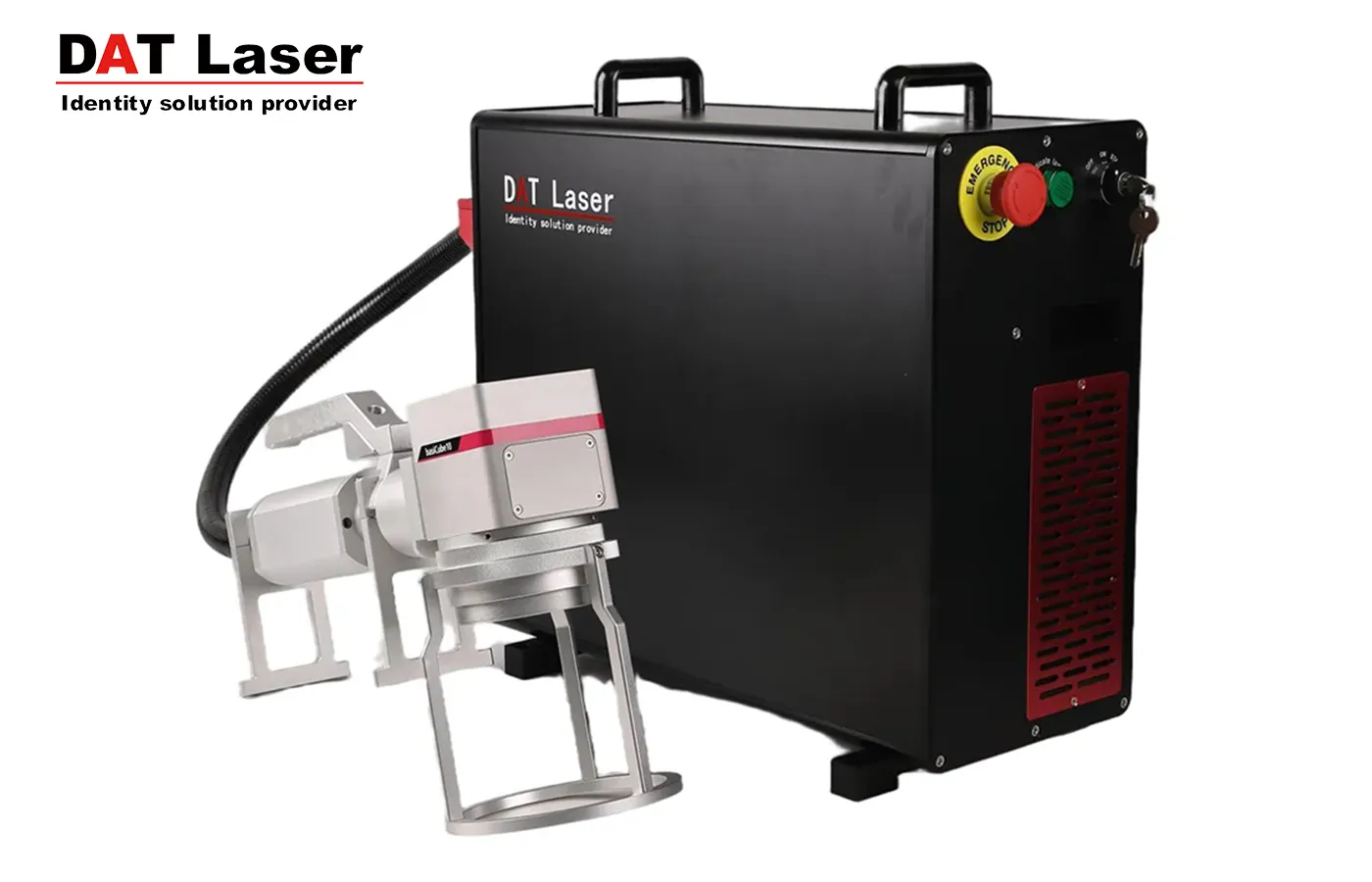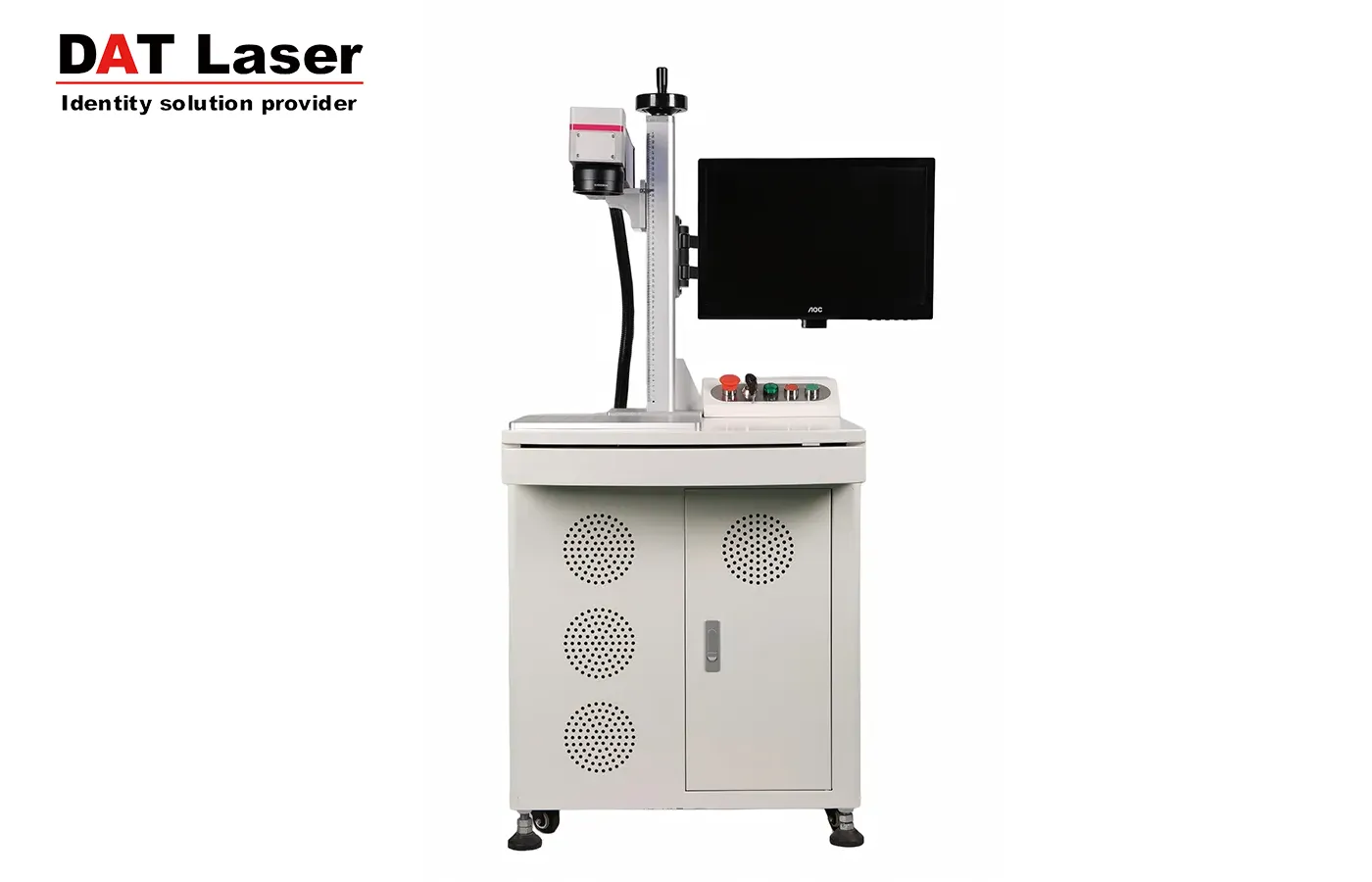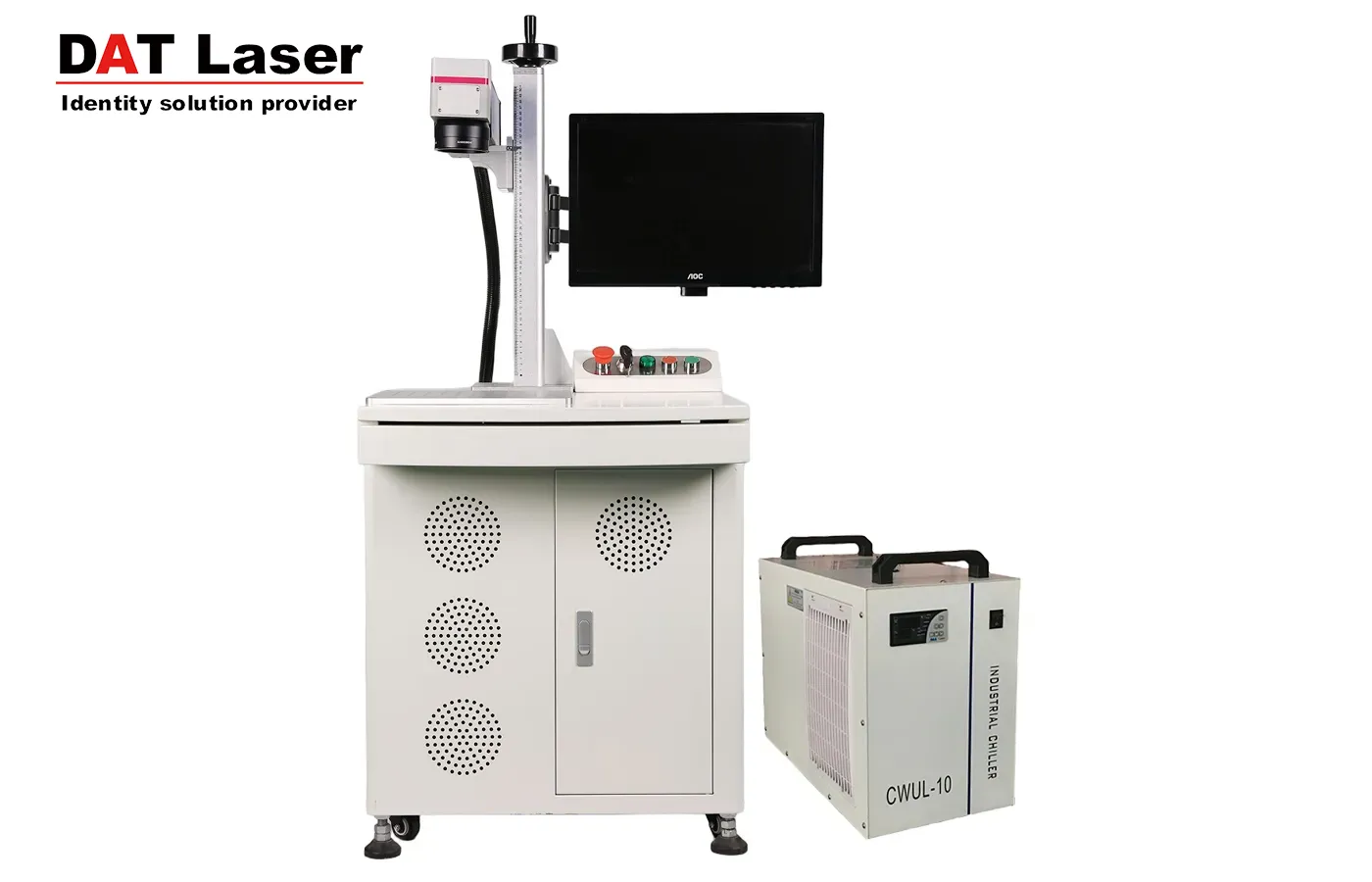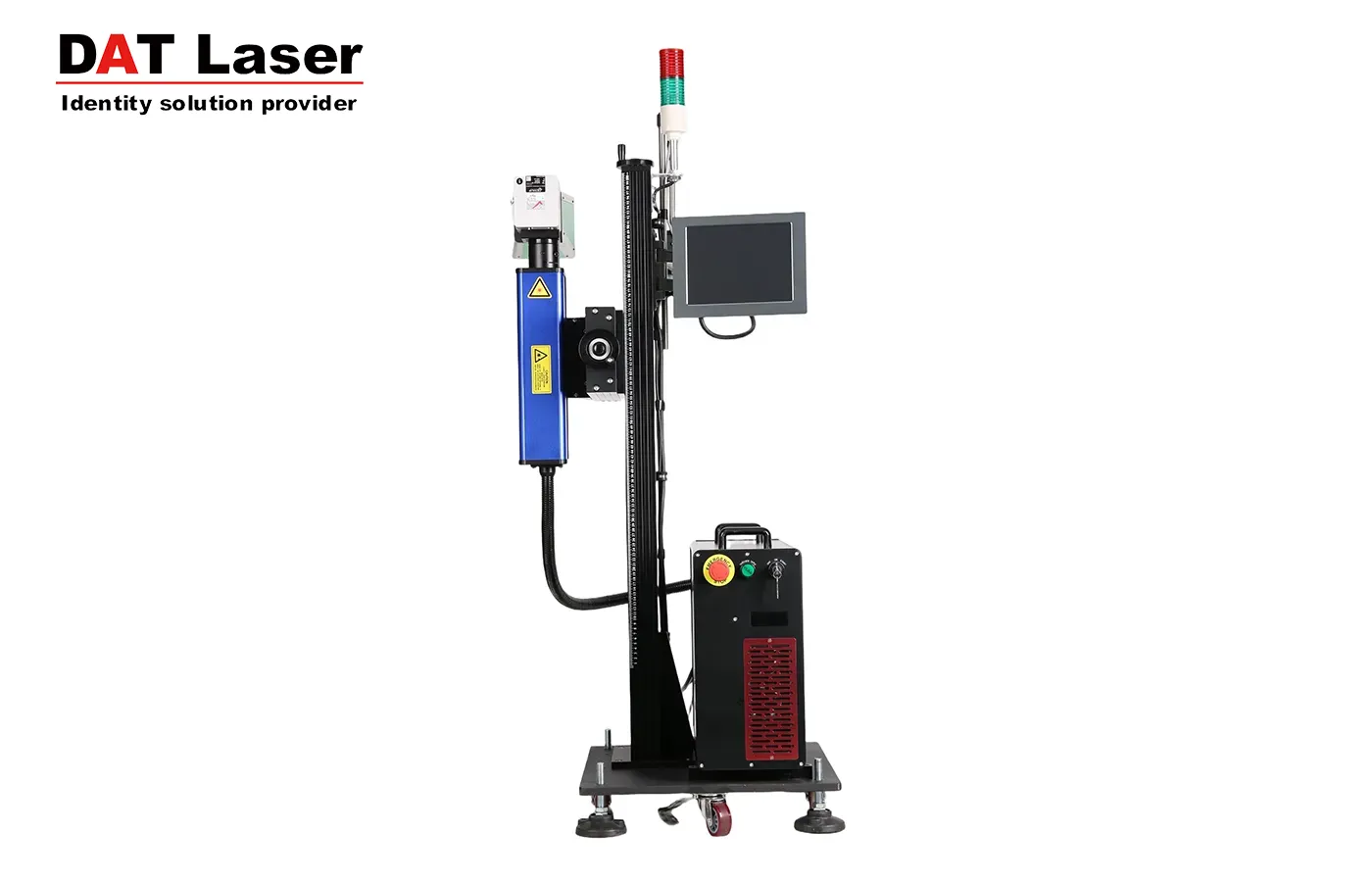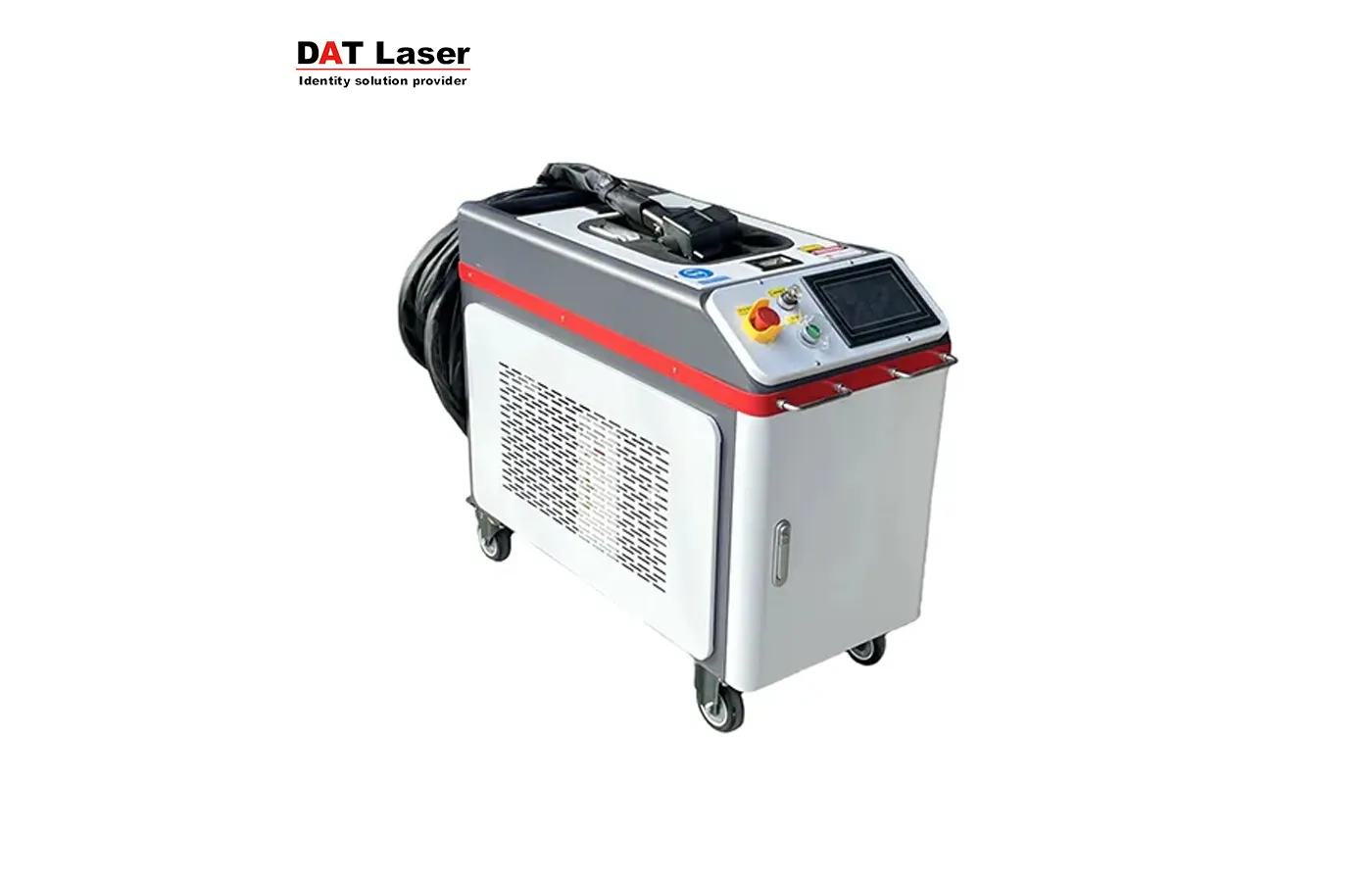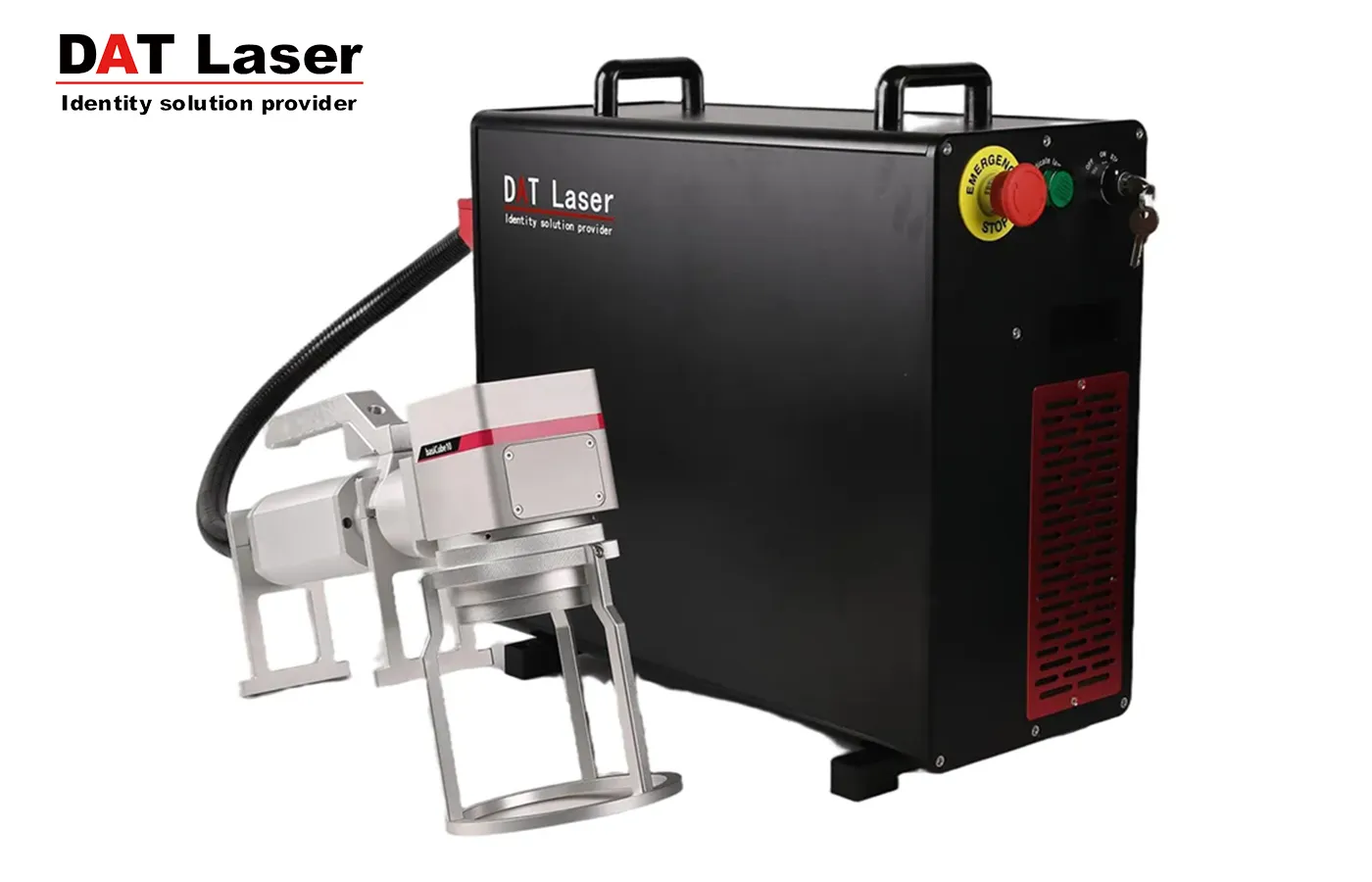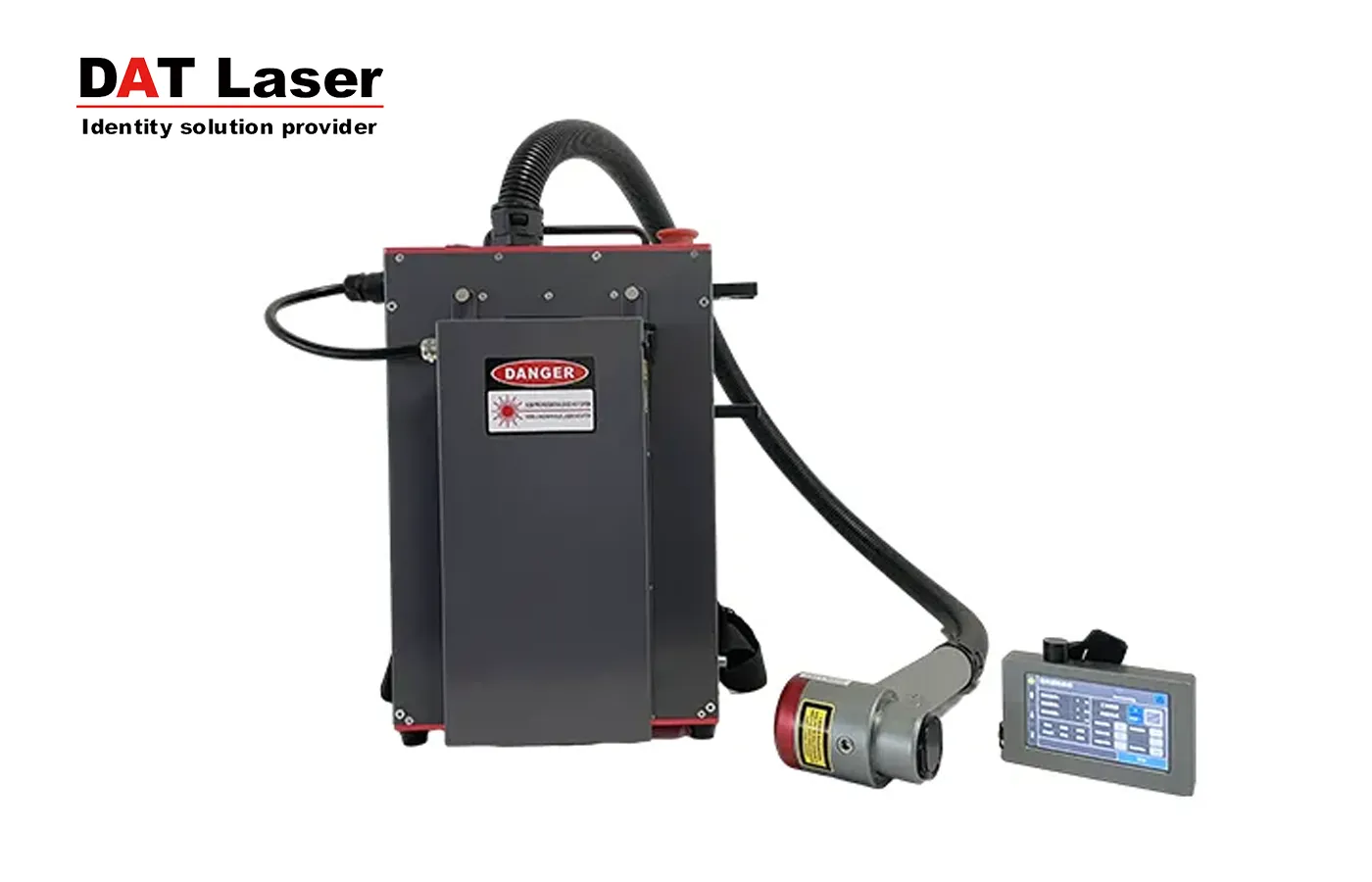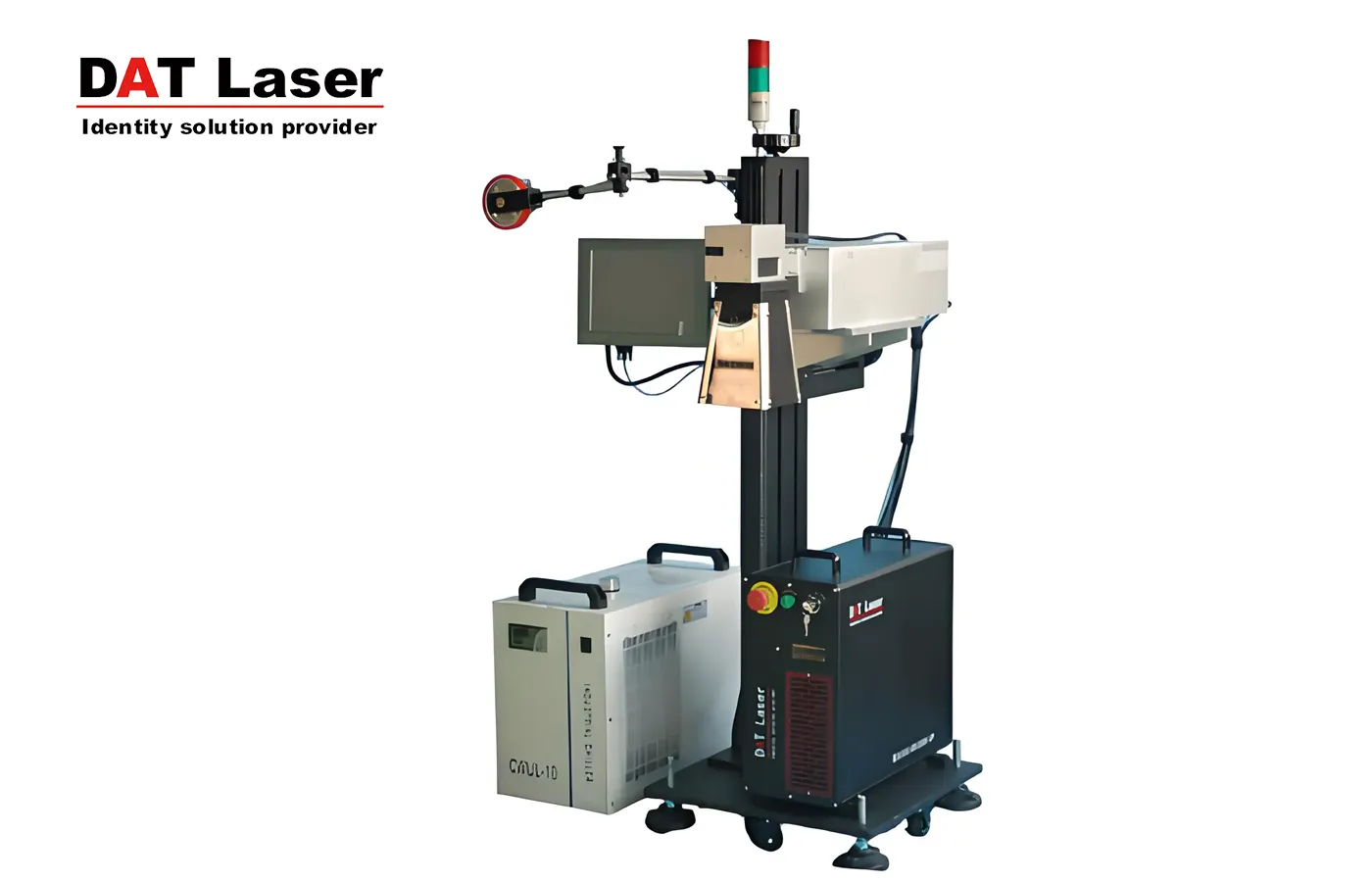
With the advancement of technology, laser marking technology has become the preferred solution for modern marking applications due to its high precision, high efficiency, and wide range of applications.
The core component of a laser marking machine is the laser source, which emits a high-intensity laser beam. Controlled by a computer-driven scanning system, the laser follows preset patterns or text to create precise markings on the surface of an object. Compared with traditional marking methods, laser marking offers a non-contact processing advantage, meaning it applies no physical pressure to the workpiece and produces no secondary pollution. This makes it especially suitable for applications with extremely high requirements for accuracy and quality.
When using a laser marking machine, operators import the marking content through dedicated software and adjust appropriate laser parameters such as power and speed before starting the marking process. The laser beam completes the marking in a very short time, delivering high efficiency and clear, permanent results. Whether working with metal or non-metal materials, laser marking machines handle the task with ease.
One of the key advantages of laser marking lies in its flexibility and precision. Laser systems can accurately produce complex patterns, barcodes, QR codes, and even photographic images. In addition, laser marking enables multi-layer marking and three-dimensional marking, offering greater possibilities for product design and anti-counterfeiting applications.
In terms of maintenance, DAT Laser marking machines are relatively easy to maintain. Routine maintenance mainly involves checking the cleanliness of the optical system, ensuring the laser cooling system operates properly, and replacing aging laser sources when necessary. Thanks to their high level of automation and reliability, daily maintenance is not demanding, provided that operating procedures are strictly followed to ensure long-term stable operation.
It is also worth noting that, with continuous technological advancement, laser marking machines are becoming increasingly intelligent and automated. Modern laser marking systems can connect to other production line equipment via network interfaces, enabling data sharing and remote monitoring to improve production efficiency and management. Some advanced laser marking machines even integrate artificial intelligence algorithms that automatically optimize marking parameters, significantly reducing manual setup time.
With its efficiency, precision, and versatility, laser marking technology has become an essential tool in both modern manufacturing and artistic creation. From the production of precision components to the customization of personalized artworks, laser marking machines play an indispensable role—enhancing product value while driving the manufacturing industry toward higher quality and greater efficiency.