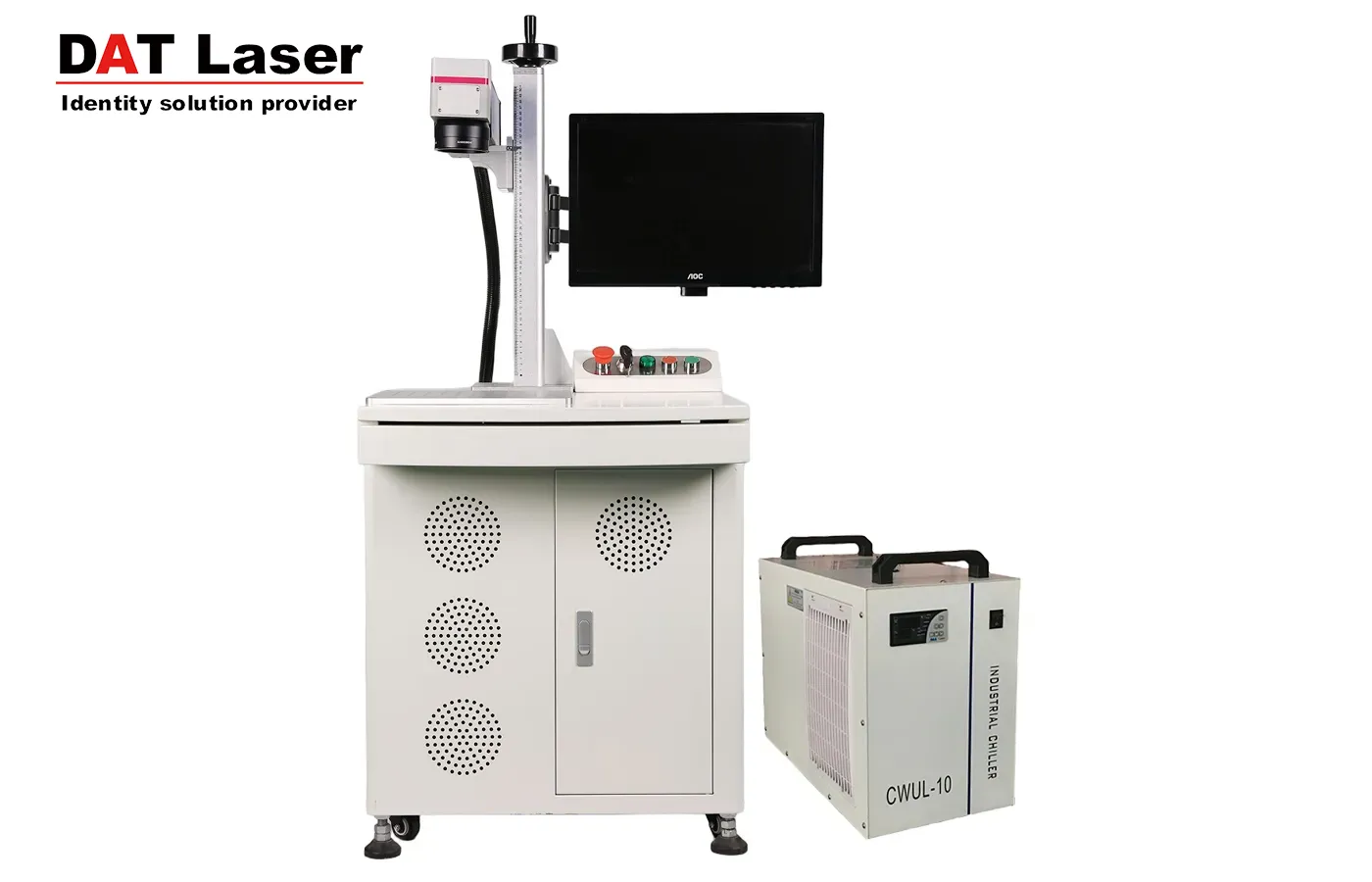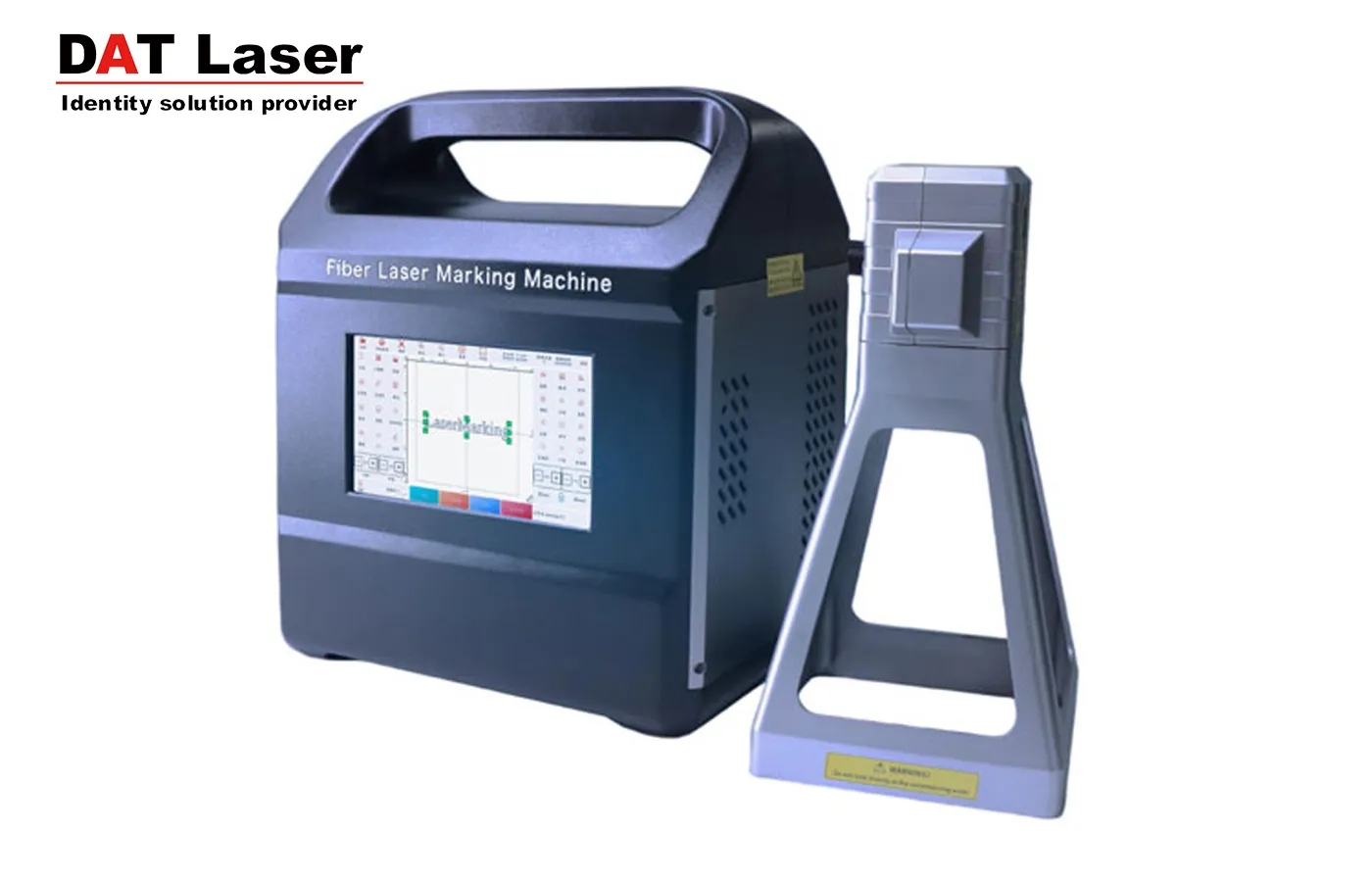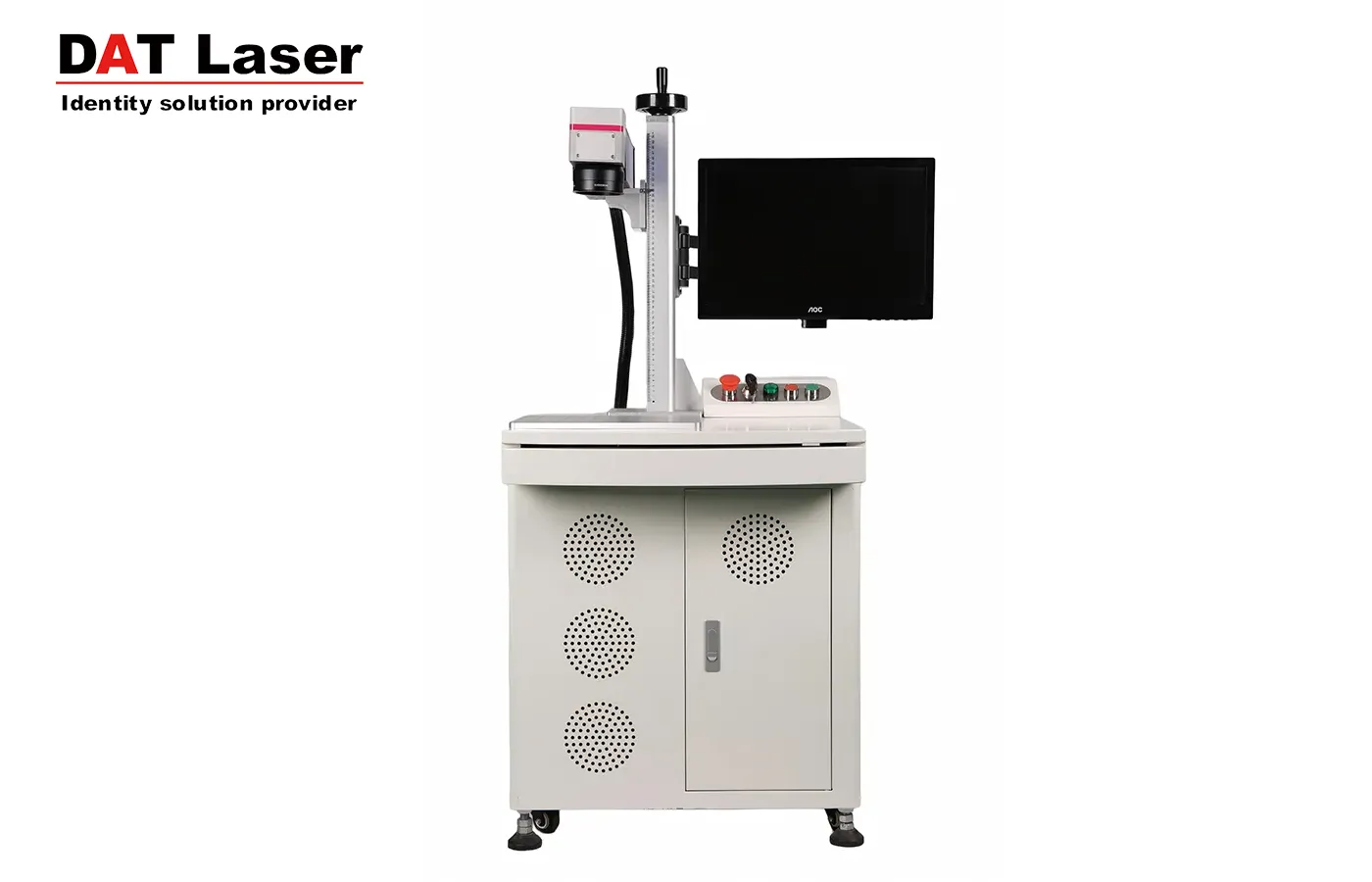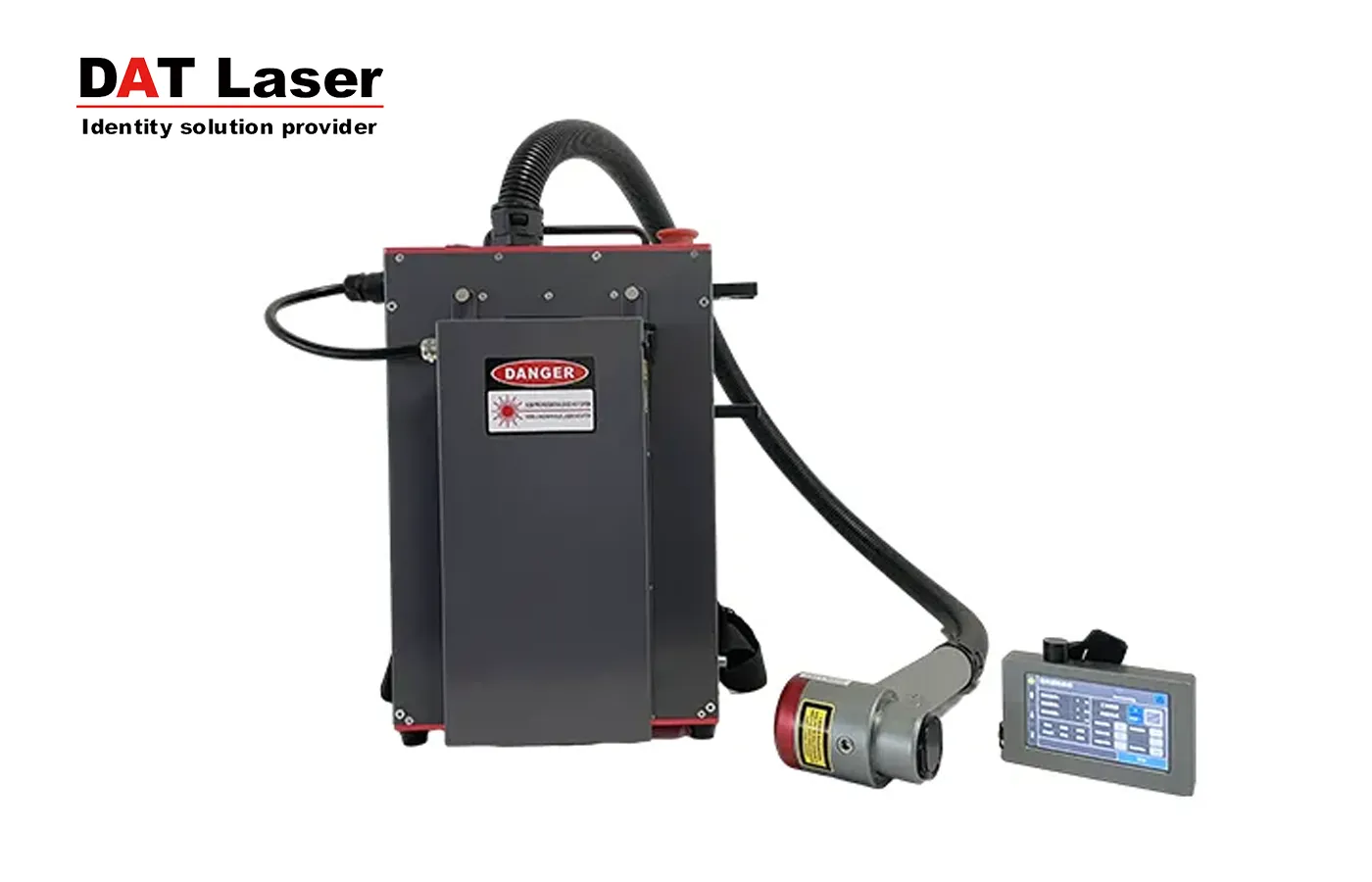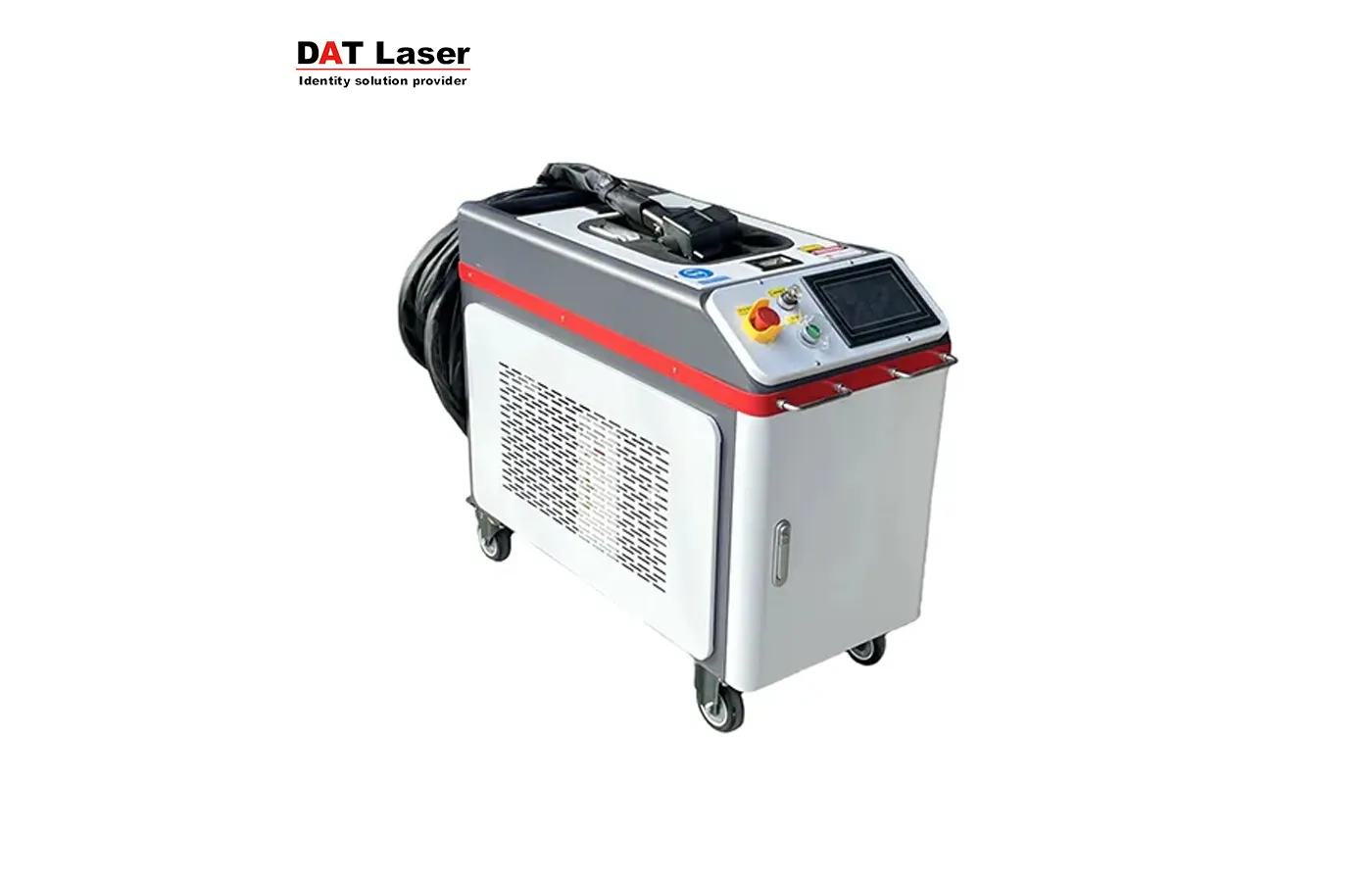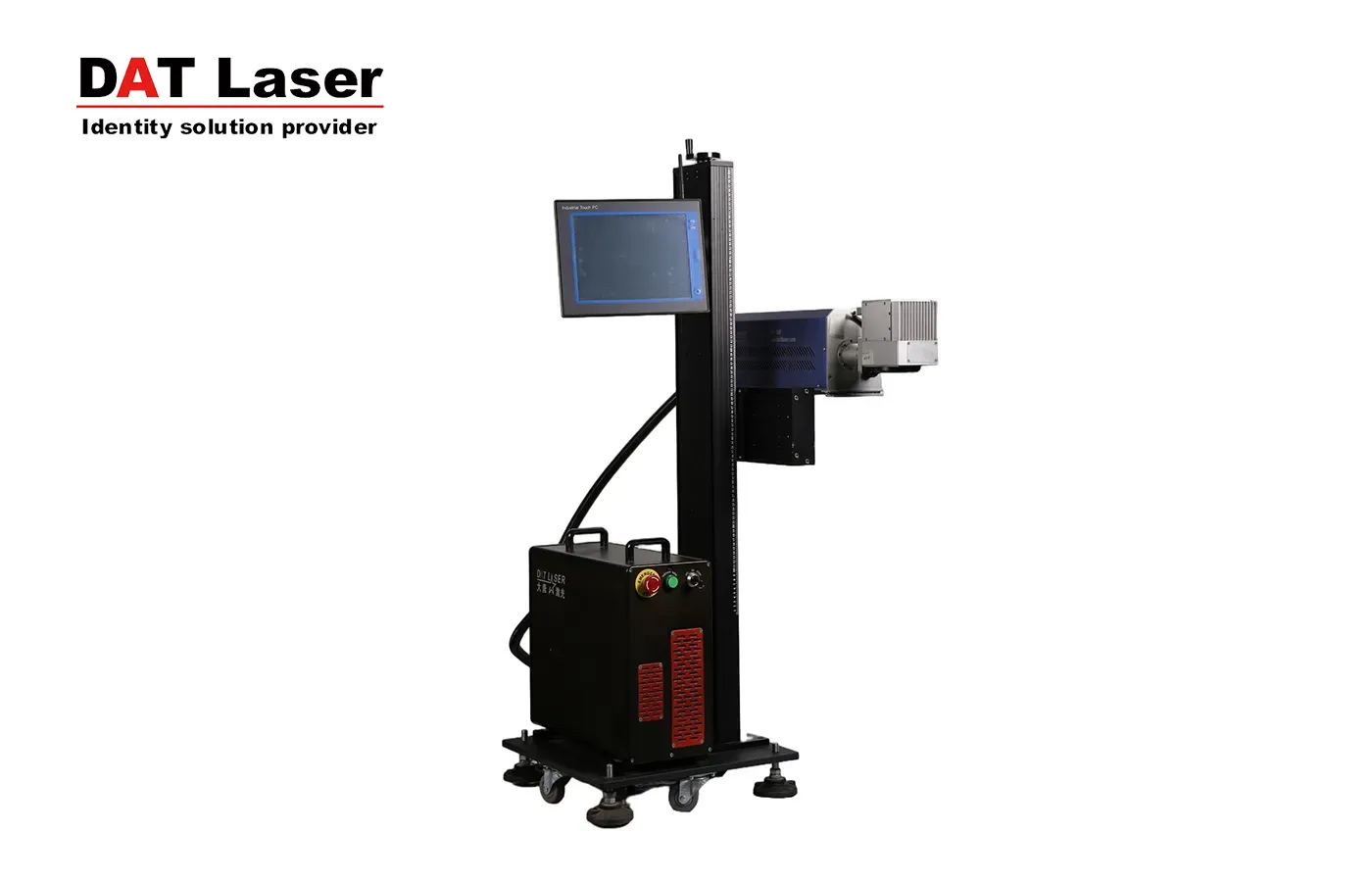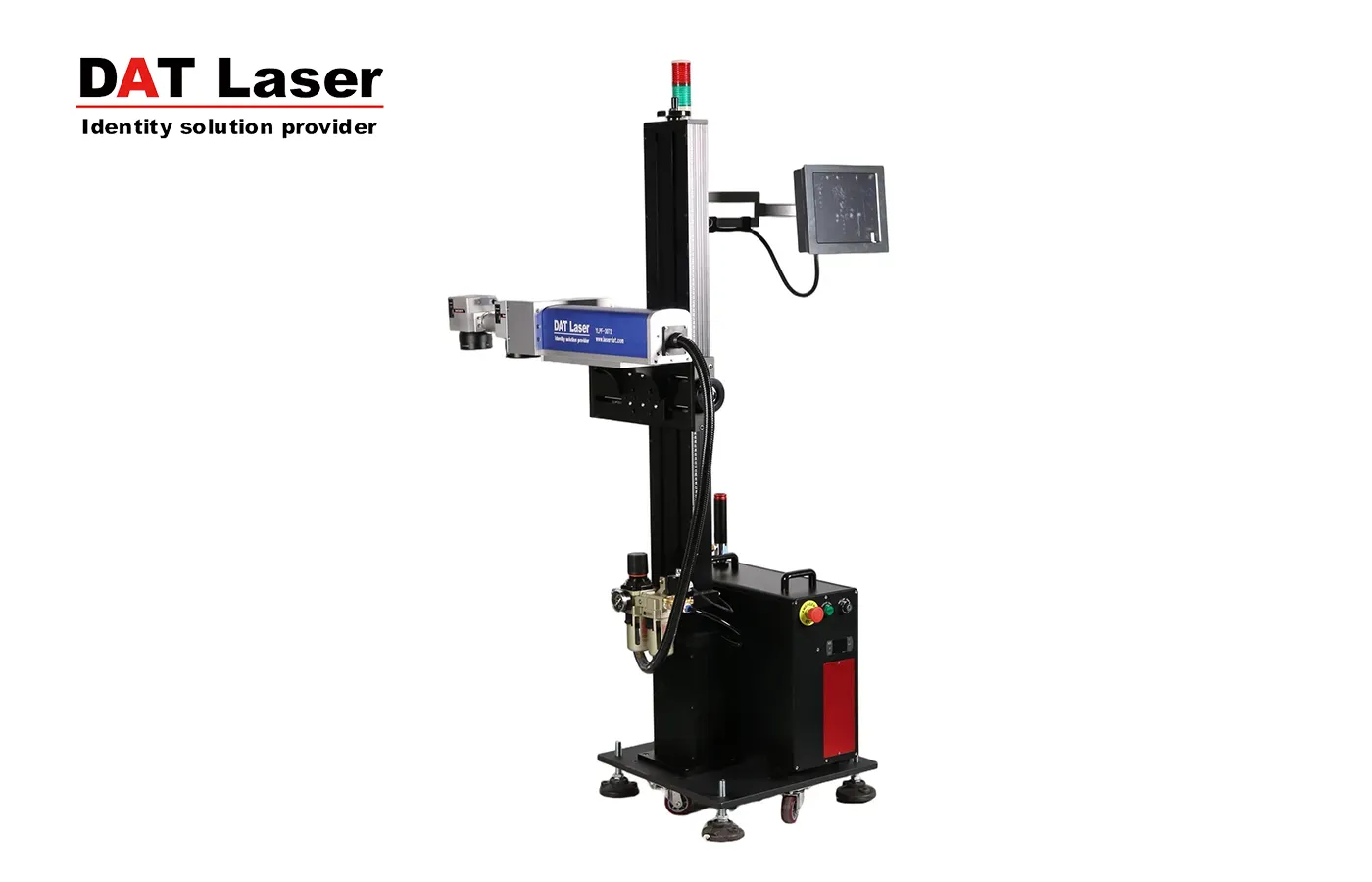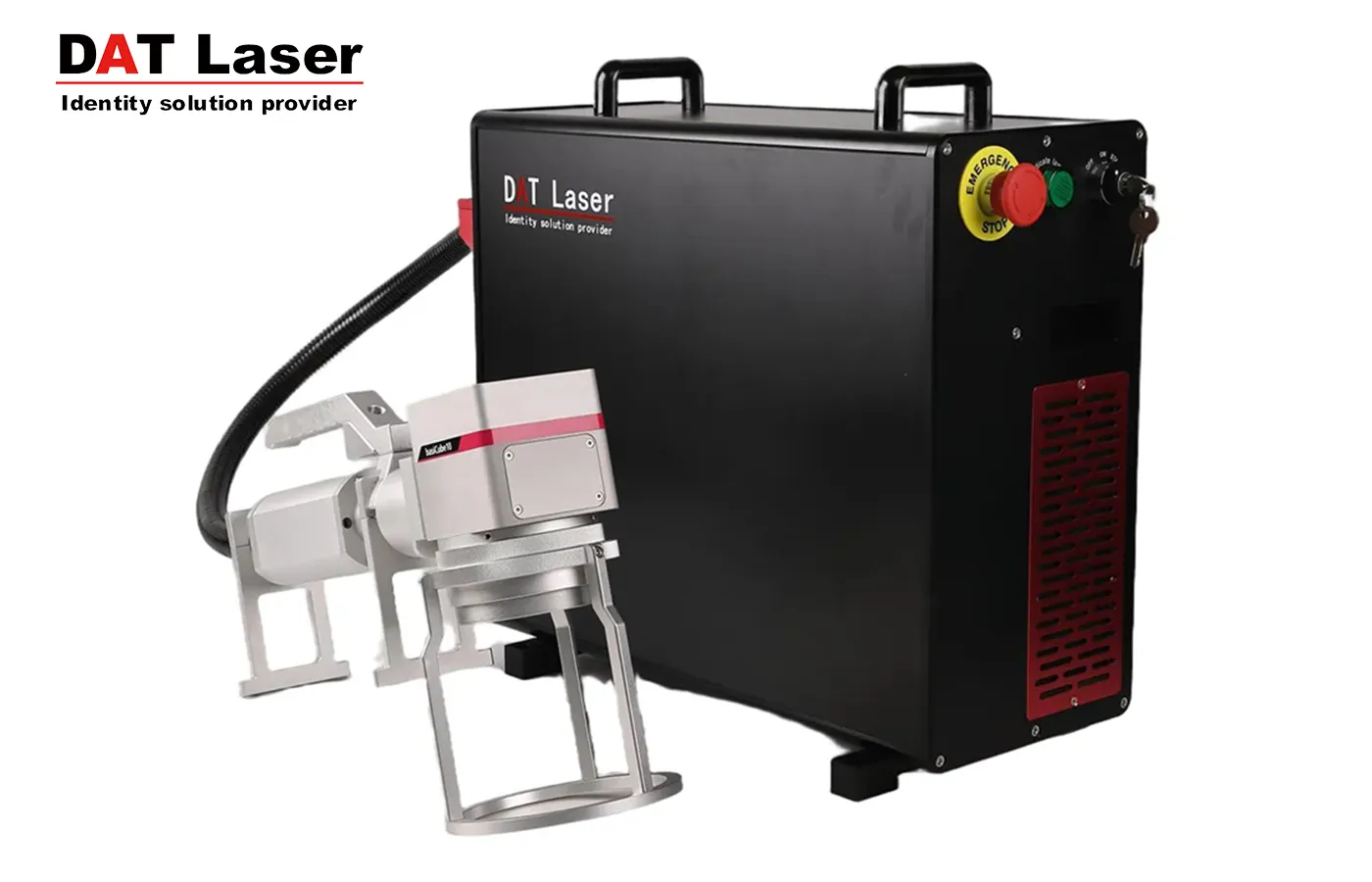
In fields such as industrial manufacturing and cultural heritage restoration, traditional cleaning methods—such as sandblasting and chemical cleaning—often entail significant drawbacks, including environmental pollution and damage to the substrate material. Leveraging its unique technological principles, laser cleaning technology is emerging as a disruptive solution within the cleaning industry. The following analysis examines the core advantages of laser cleaning systems across seven key dimensions:
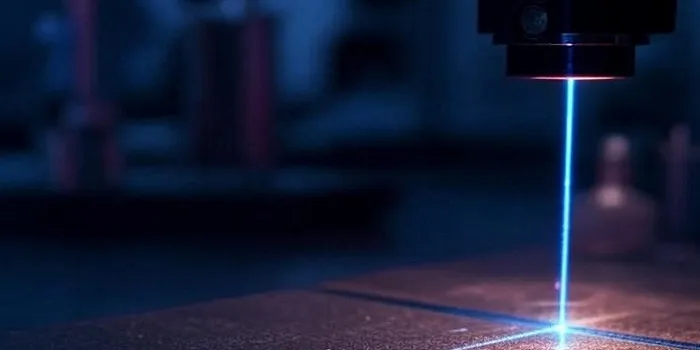
Laser cleaning utilizes a high-energy laser beam as its "cleaning medium," accomplishing the cleaning process by instantaneously vaporizing or stripping away contaminants. Throughout the entire operation, there is absolutely no need to employ chemical agents—such as acid-base reagents or organic solvents. This inherent characteristic effectively eliminates issues such as the discharge of chemical waste liquids and the volatilization of waste gases at the source. It aligns perfectly with "Dual Carbon" goals and the philosophy of green manufacturing, making it particularly well-suited for industries with stringent requirements for clean environments, such as pharmaceuticals and food processing.
The energy density, dwell time, and scanning path of laser cleaning can all be precisely regulated via a digital control system, enabling cleaning operations with micron-level precision. Unlike physical methods such as sandblasting or grinding, the laser acts solely upon the contaminant layer; it inflicts no mechanical stress damage to the substrate surface, nor does it alter the substrate's original dimensional accuracy or surface roughness. This advantage is particularly critical for the cleaning of delicate items—such as precision components, cultural artifacts and antiques, and aerospace components.
Laser cleaning enables non-contact, remote operations, allowing for thorough cleaning without the need to dismantle the workpiece. For complex structures that are difficult to access using traditional methods—such as the inner walls of gearboxes, pipe welds, and the cavities of large molds—the laser beam can be precisely directed to the target via fiber-optic transmission or robotic arm guidance. In large-scale cleaning operations, laser cleaning systems demonstrate an efficiency that is 3 to 5 times greater than traditional methods; furthermore, they are capable of continuous 24-hour operation, thereby significantly shortening production cycles.
The laser cleaning machine employs a fully automated control system, allowing operators to begin work after undergoing only brief training. The equipment requires no consumable materials (such as sandblasting abrasives or chemical agents); it merely necessitates periodic cleaning of the optical lenses and checks of the cooling system. Consequently, its annual maintenance cost amounts to only one-third of that of traditional cleaning equipment. Furthermore, the contaminants generated during the laser cleaning process are predominantly in powder form, which can be centrally collected and processed via an accompanying dust removal system, thereby further simplifying subsequent maintenance and operational management.
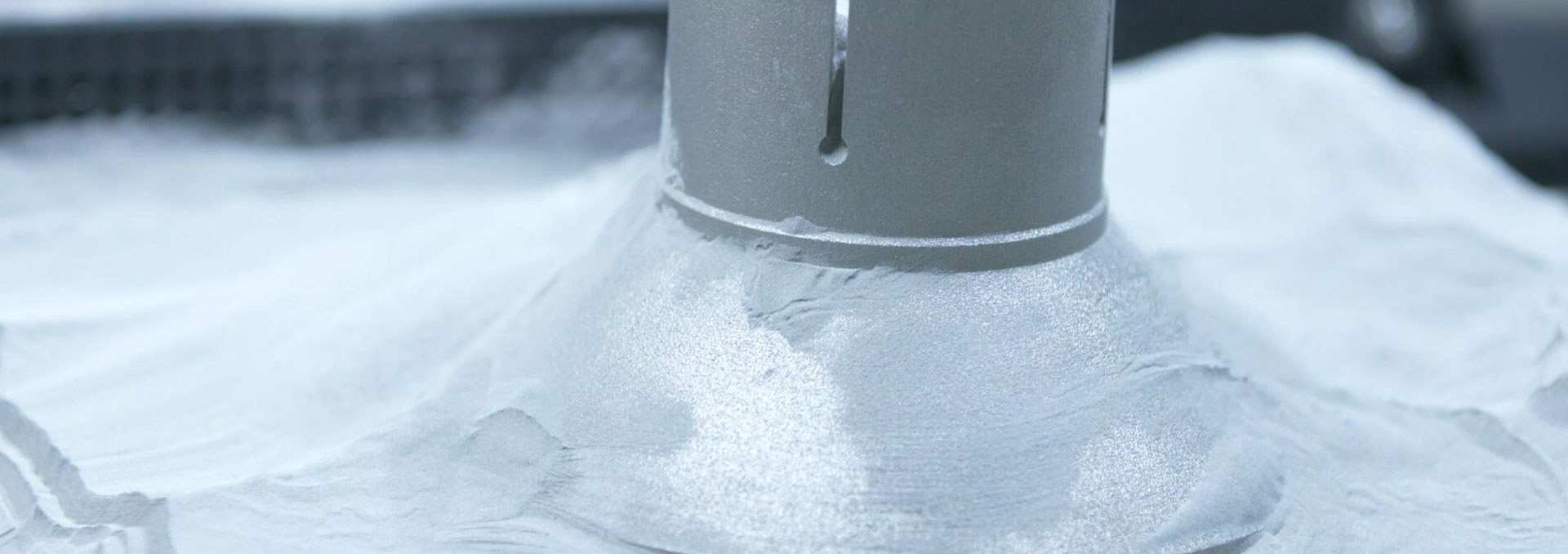
From industrial rust, paint, and grease removal to cultural heritage restoration, adhesive removal for electronic components, and post-processing for 3D-printed parts, laser cleaning machines cover virtually every scenario requiring surface cleaning. Laser systems with varying power outputs and wavelengths can be adapted to a wide array of substrates—including metals, ceramics, glass, plastics, and stone—and can even enable a single device to switch between different cleaning modes to meet diverse cleaning requirements.
The intelligent control system integrated into the laser cleaning machine records cleaning parameters—such as laser power, scanning speed, and cleaning area—in real time, generating fully traceable cleaning reports. This feature not only ensures the consistency of cleaning quality but also enables the optimization of cleaning processes through data analysis, thereby realizing "data-driven precision cleaning." For demanding sectors such as aerospace and automotive manufacturing, this system integrates seamlessly into the digital production ecosystems of Industry 4.0.
Driven by continuous breakthroughs in fiber and ultrafast laser technologies, the scope of laser cleaning applications is constantly expanding. Currently, various enterprises have successfully developed femtosecond laser cleaning equipment capable of removing micron-scale oxide layers, as well as UV laser systems tailored for cleaning flexible circuit boards. In the future—by integrating artificial intelligence and machine vision technologies—laser cleaning machines will evolve into an intelligent operational mode, capable of autonomously identifying contaminants and automatically optimizing cleaning protocols.
With its core advantages of being eco-friendly, precise, and highly efficient, laser cleaning technology is currently redefining the standards of industrial cleaning. From the transformation and upgrading of traditional manufacturing sectors to the technological empowerment of cultural heritage preservation, this technology is gradually displacing conventional cleaning methods, emerging as the preferred solution in the realm of high-end cleaning. As the technology continues to mature and costs gradually decline, laser cleaning machines are poised to find application in an expanding range of civilian settings, ushering in cleaner and smarter modes of production and daily life.
Contact us to get more information about laser marking-machine.