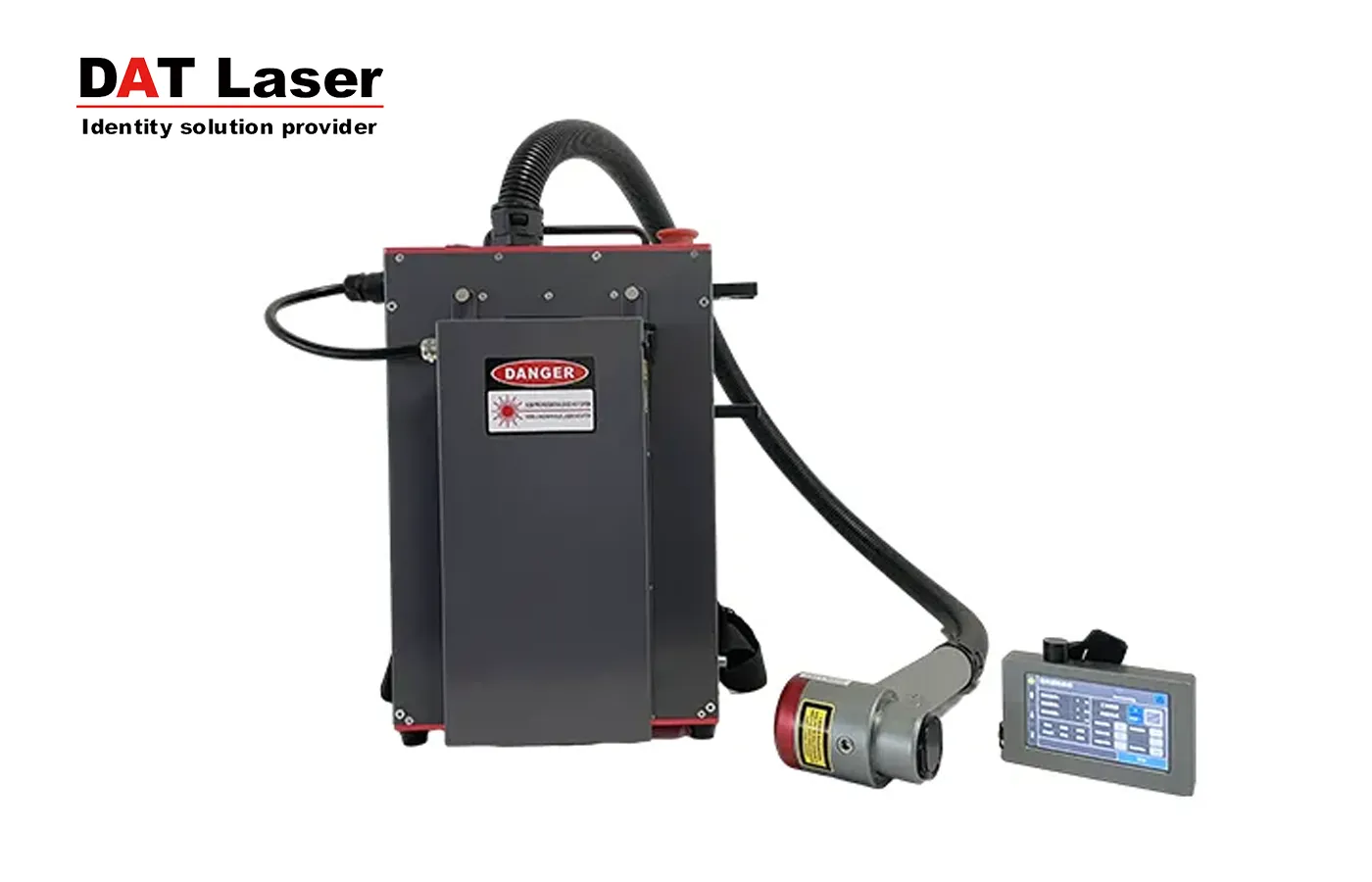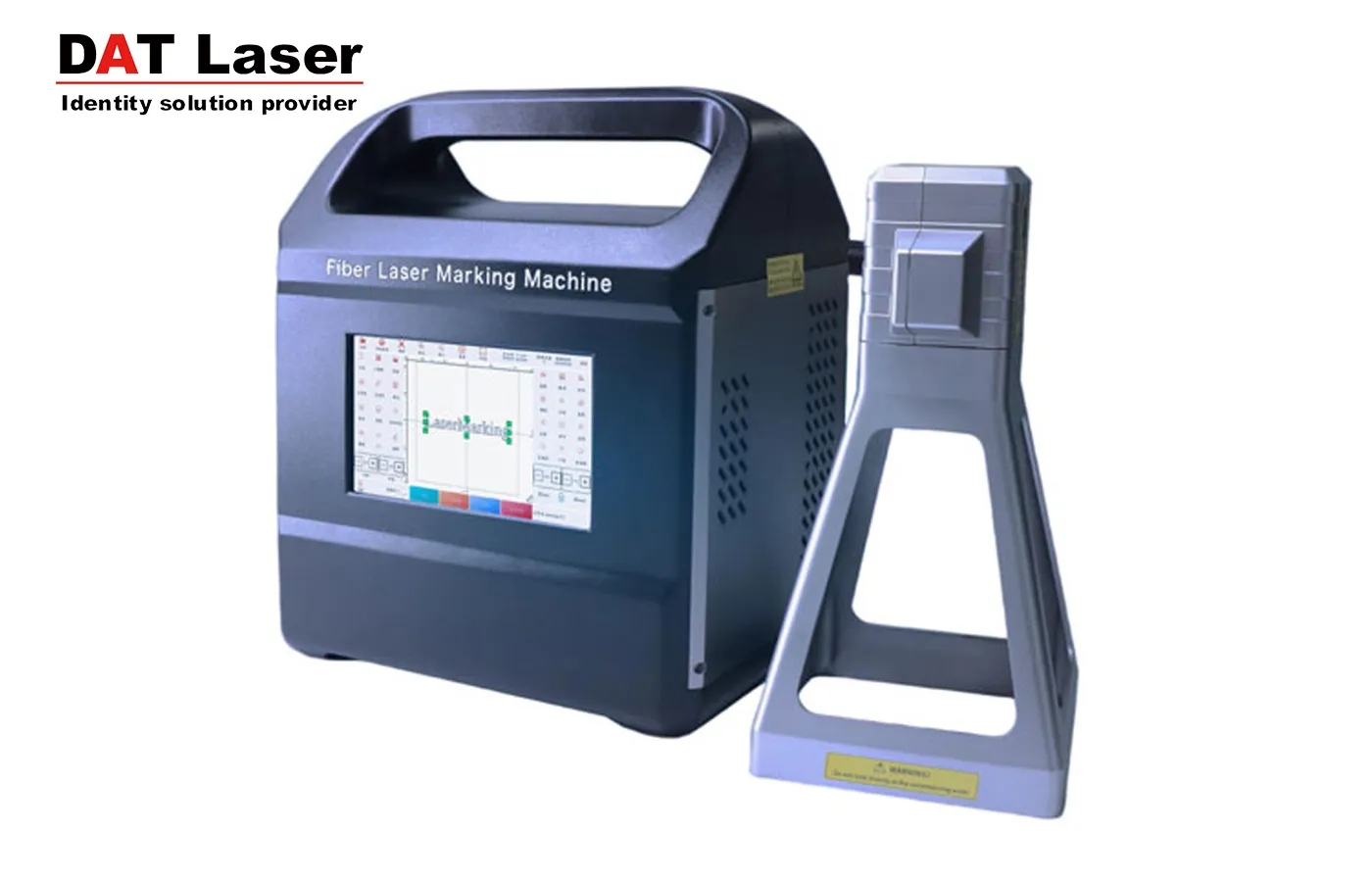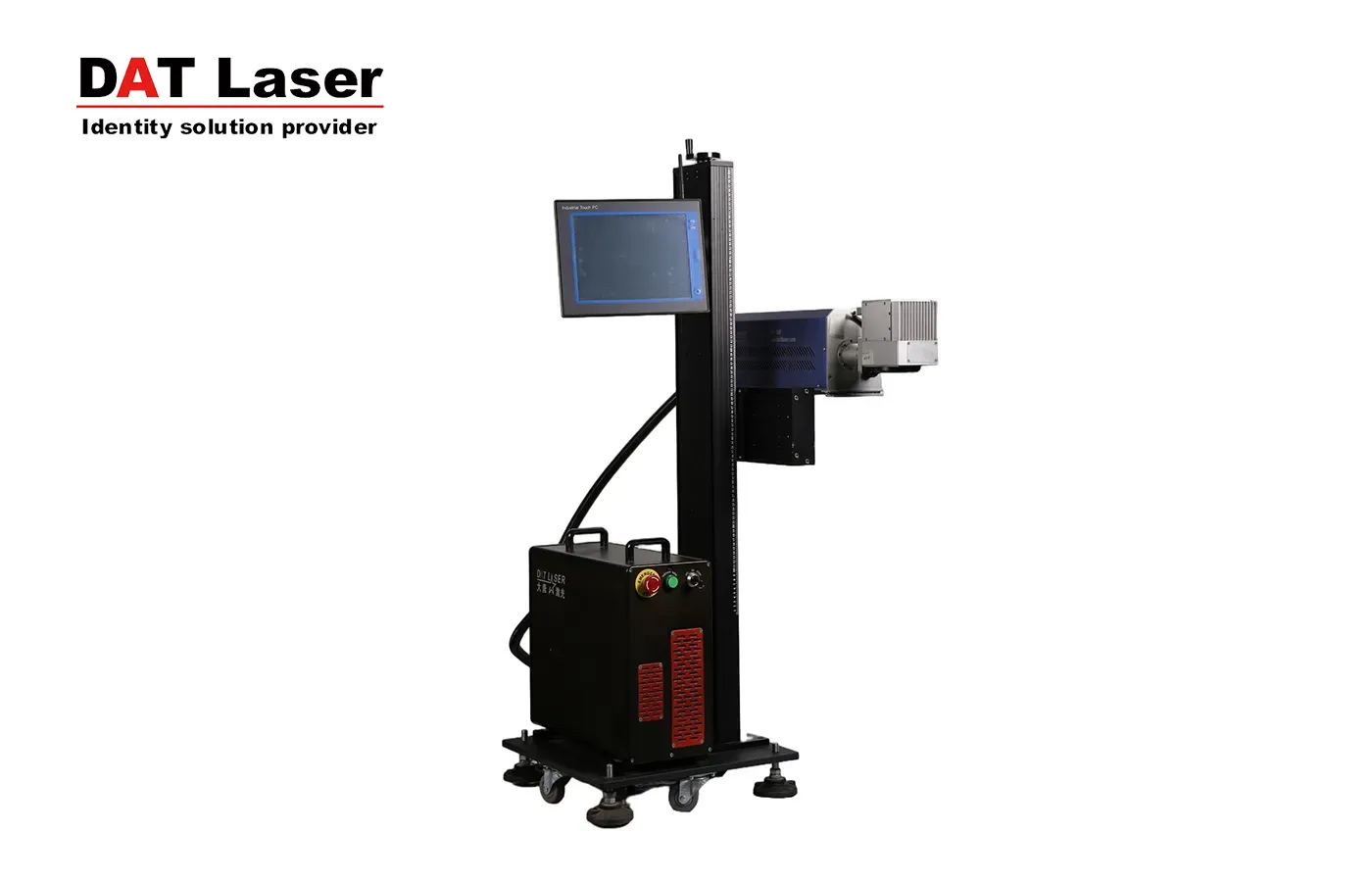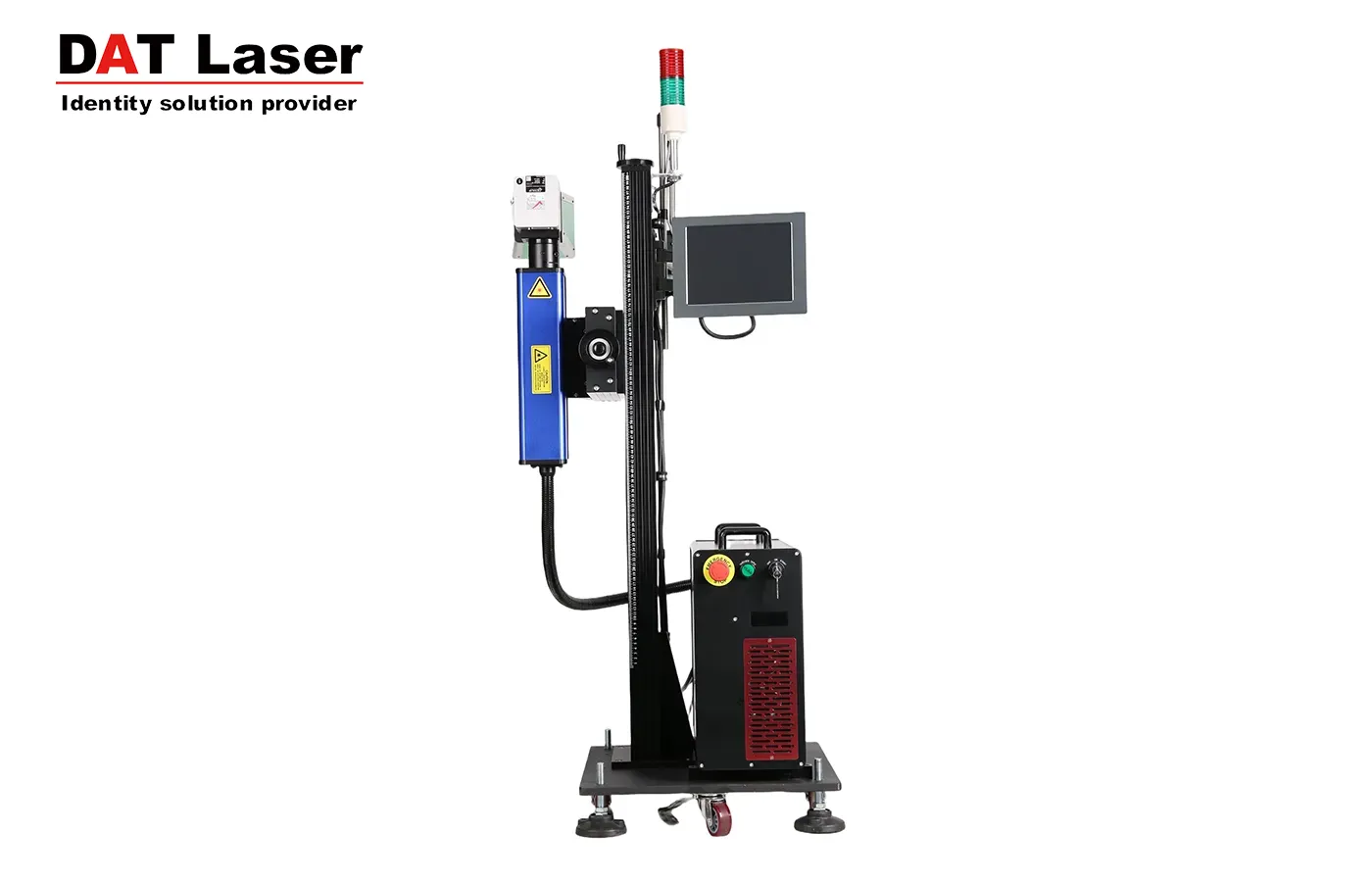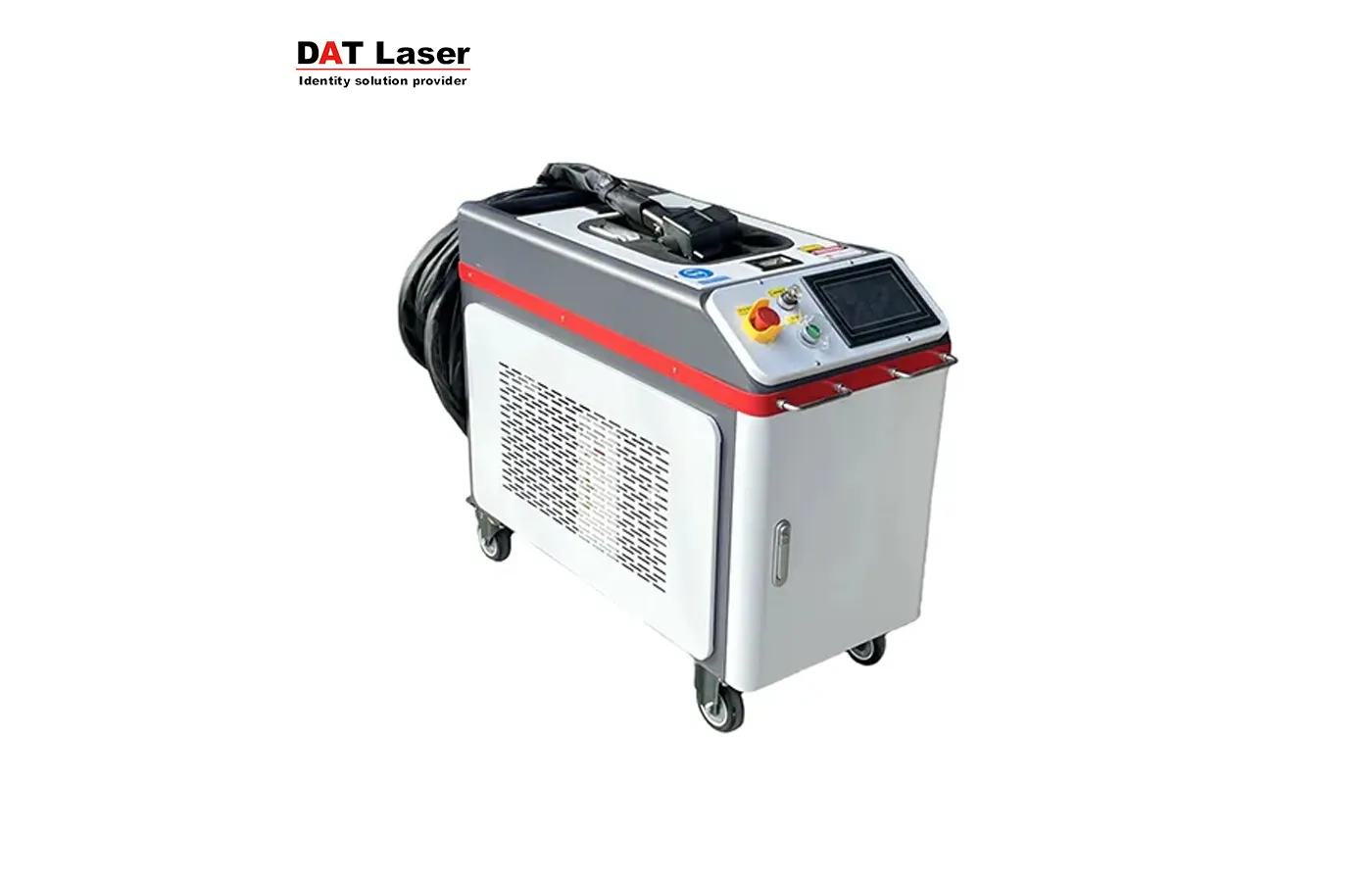
The application of CO2 laser technology in automotive interiors primarily encompasses several key areas: cutting, texturing, marking, perforating, and surface weakening. Laser processing is utilized in a wide array of interior components—ranging from steering wheels and dashboards to seats, buttons, headrests, and decorative accessories.
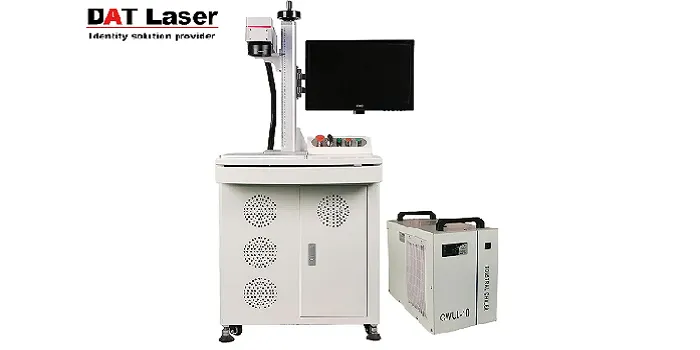
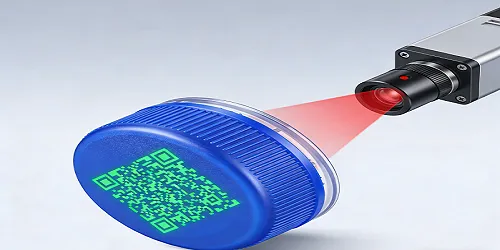
This process involves directing a high-energy-density laser beam to locally irradiate a workpiece, causing the surface material to vaporize or undergo a chemical reaction that alters its color, thereby creating a permanent mark.
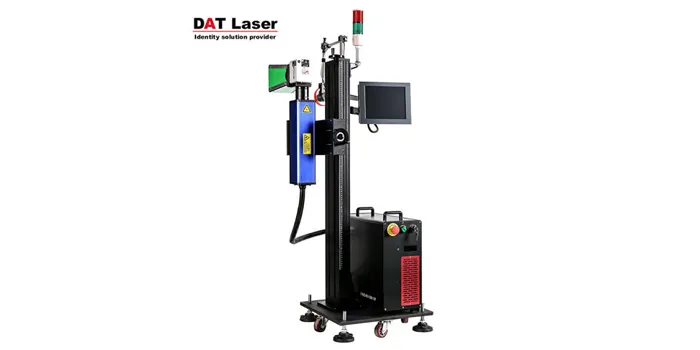
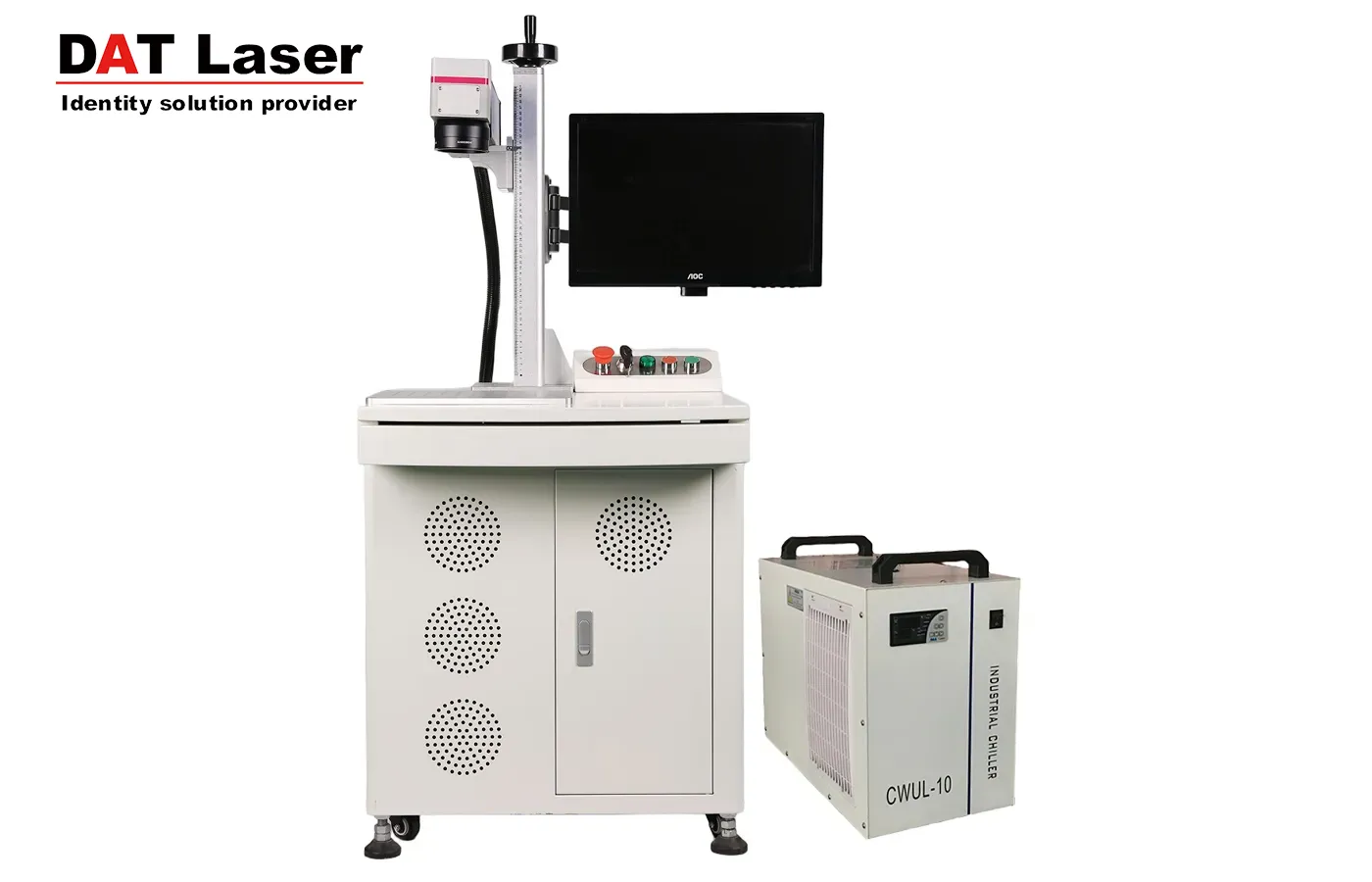
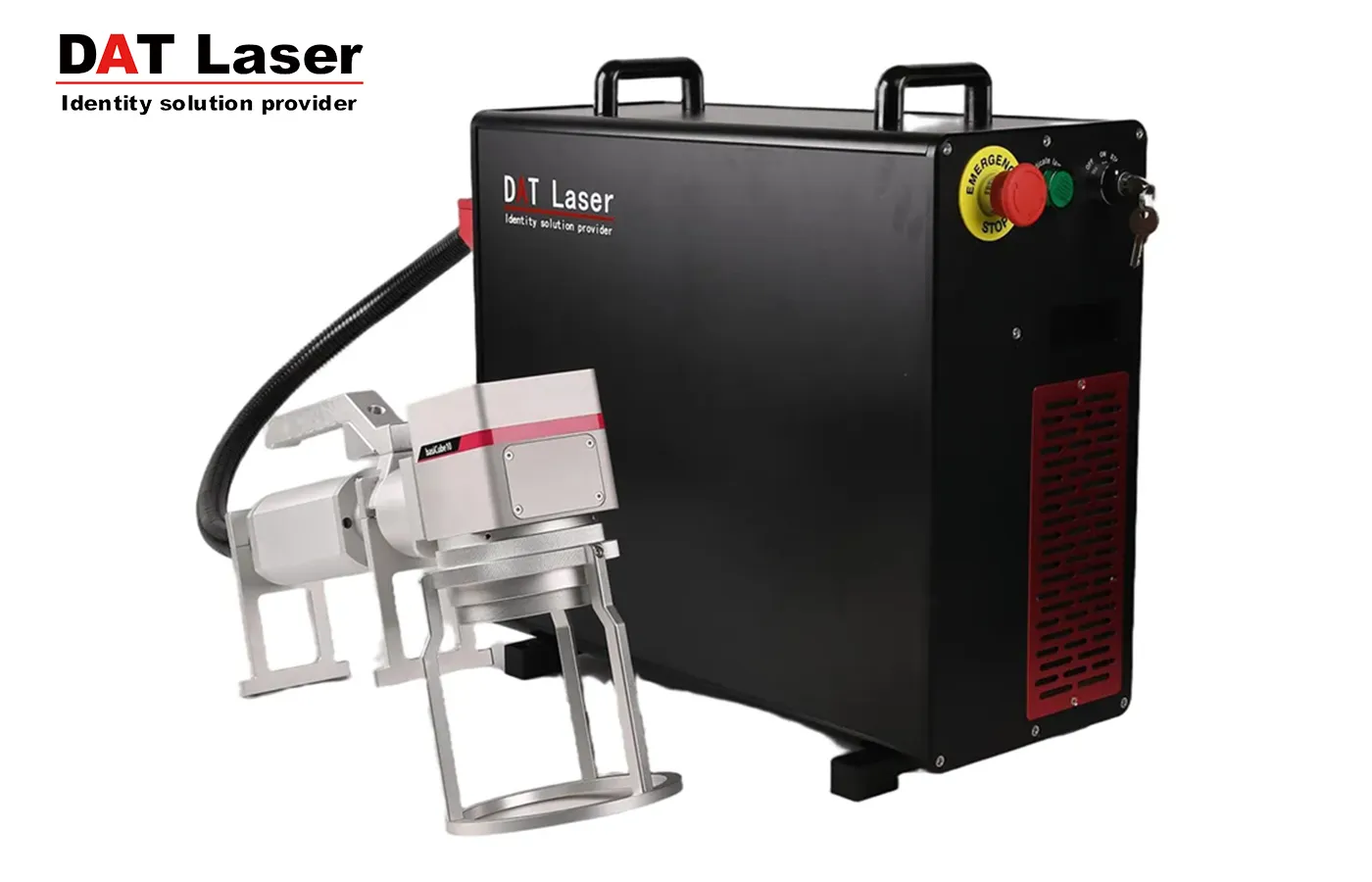
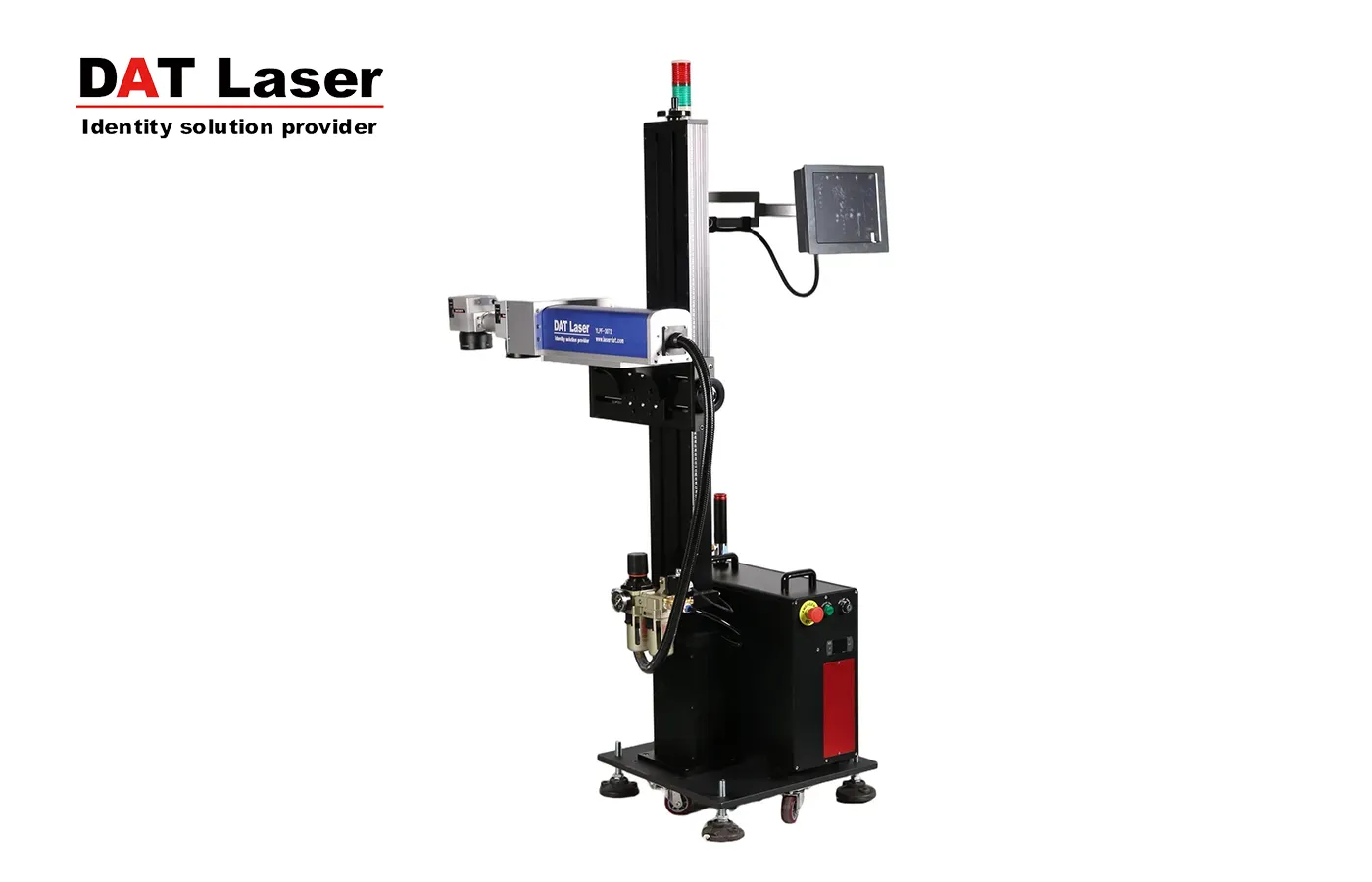
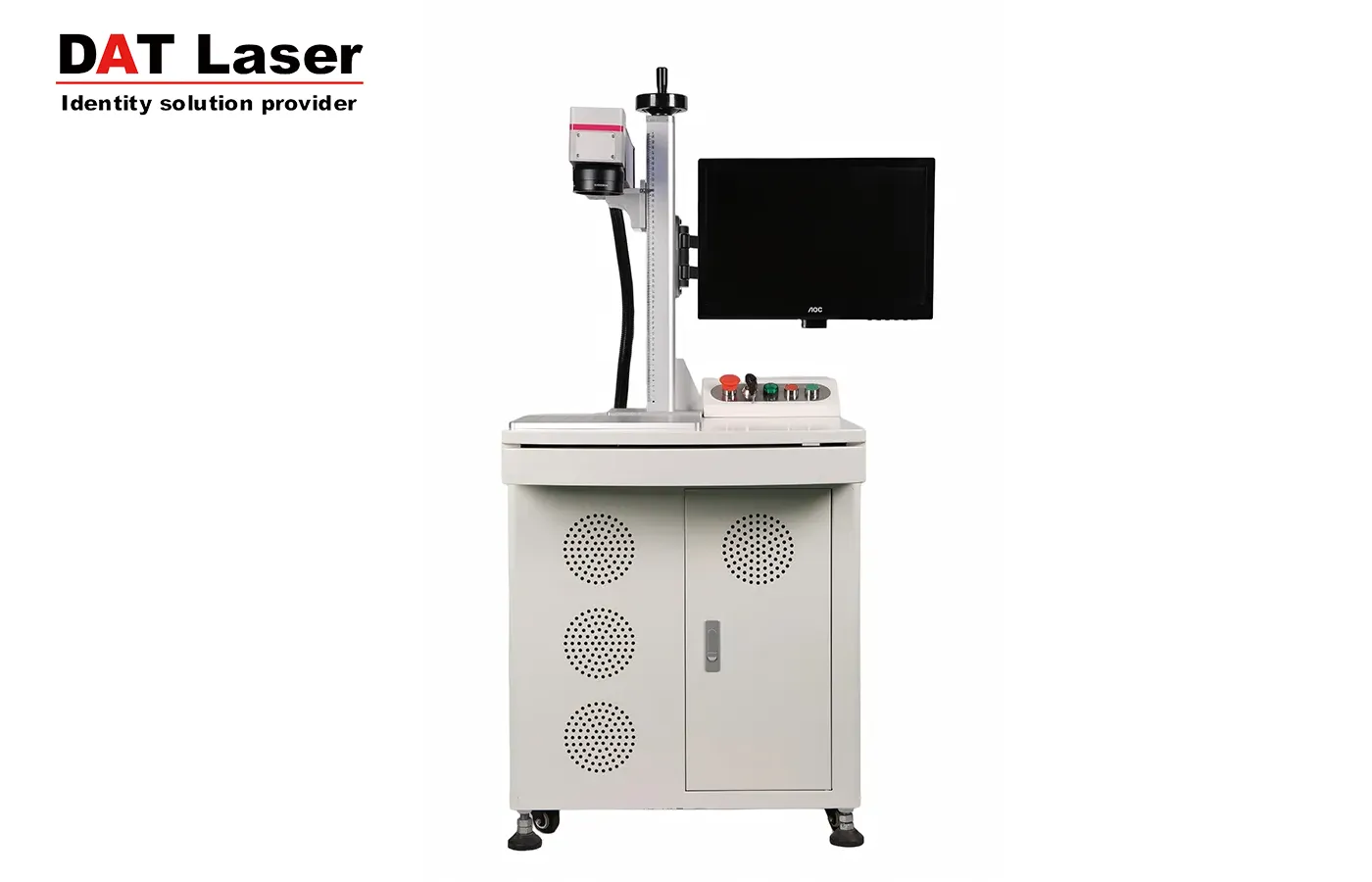
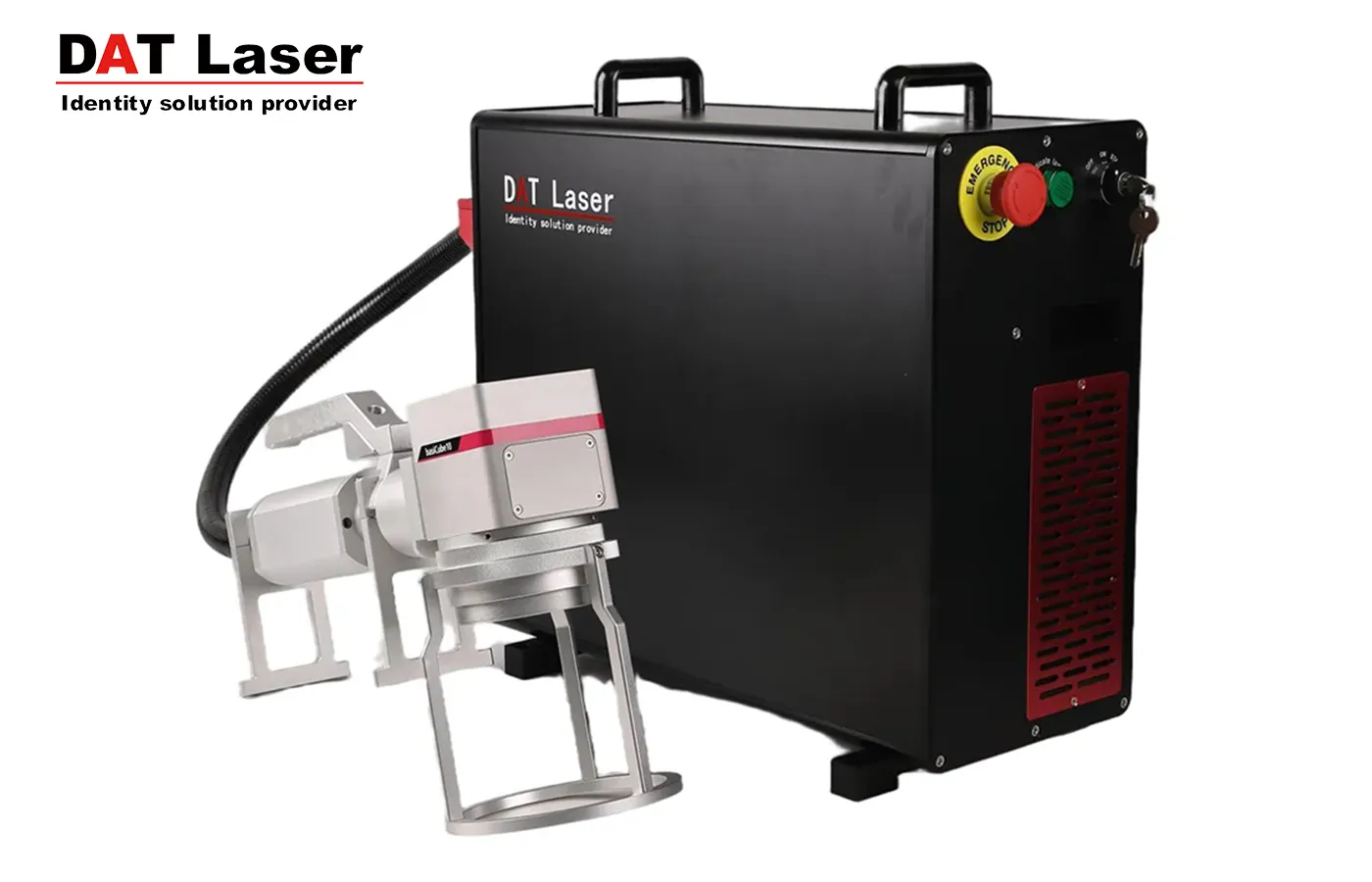
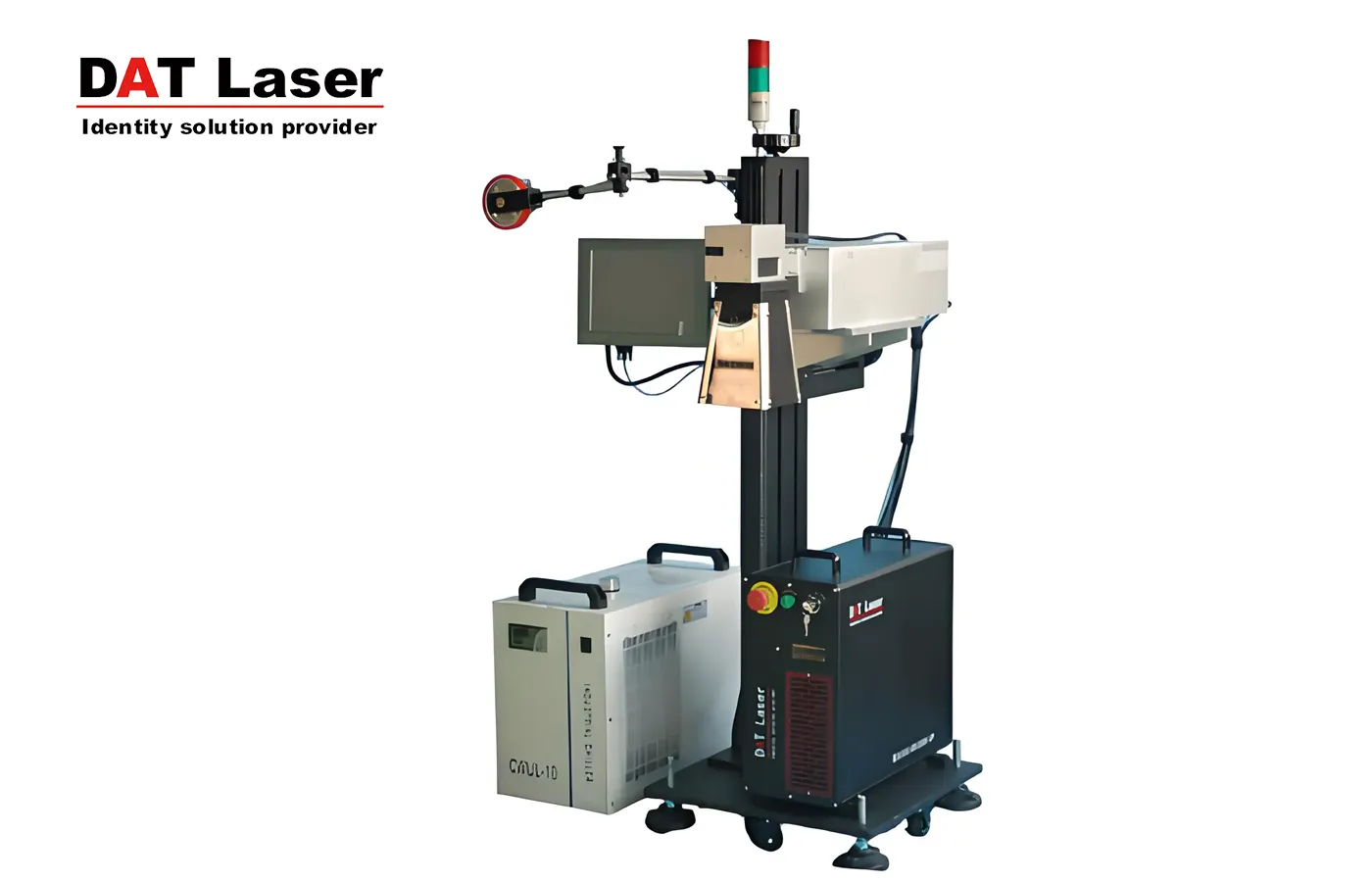
The laser beam emitted from the laser source is controlled by two mirrors mounted on high-speed, precision motors, enabling dynamic beam movement for marking purposes. Each mirror moves along a single axis. The motors operate at extremely high speeds with minimal inertia, allowing for rapid marking of target objects. The beam, guided by these mirrors, is then focused using an F-θ lens, with the focal point positioned directly on the surface to be marked. When this focused beam interacts with the object, the object is "marked." Apart from the specific area subjected to marking, the rest of the object's surface remains unaltered.
In the processing of automotive interior products, laser marking machines can execute precise and efficient graphic and text rendering on a variety of materials—including leather, fabric, wood, and synthetic composites. This includes the addition of logos, the creation of personalized graphics, and intricate decorative engraving.
By laser-marking decorative patterns onto products such as seat covers, interior liners, steering wheels, seatbelts, and floor mats, the aesthetic appeal of these items is significantly enhanced, thereby creating a more refined and stylish automotive interior experience.
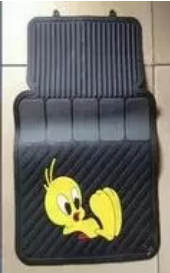
Since it requires no physical contact with the surface of the workpiece, it enables rapid marking on materials of any irregular shape; furthermore, the workpiece remains free from deformation or induced internal stress.
Competition within the automotive market is intensifying, leading to increasingly sophisticated interior designs and continuously evolving manufacturing processes. Consequently, laser technology is being utilized in the design and production of a growing number of interior components, resulting in its ever-expanding application across the industry. Compared to traditional manufacturing techniques, the numerous advantages offered by laser technology are playing an increasingly pivotal role in various aspects of design and production.