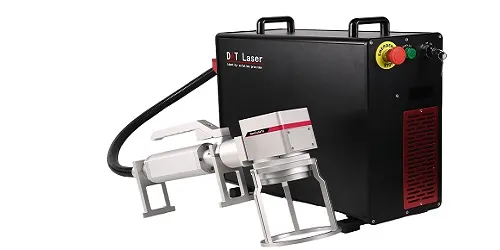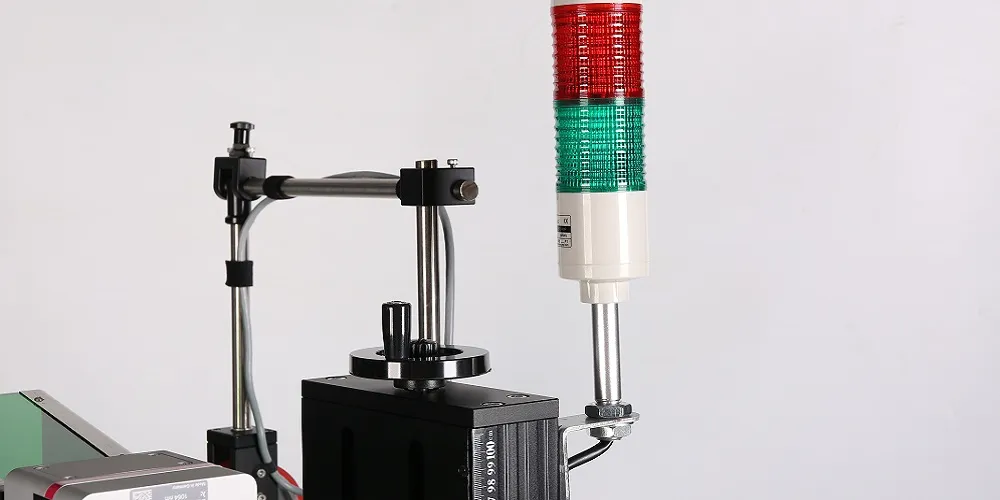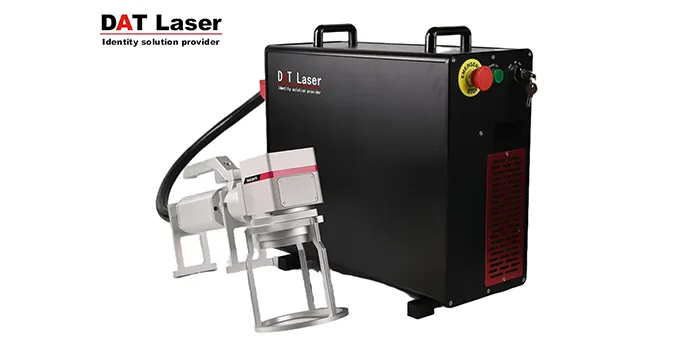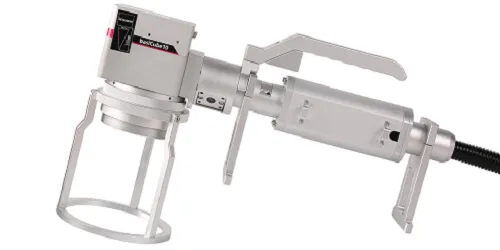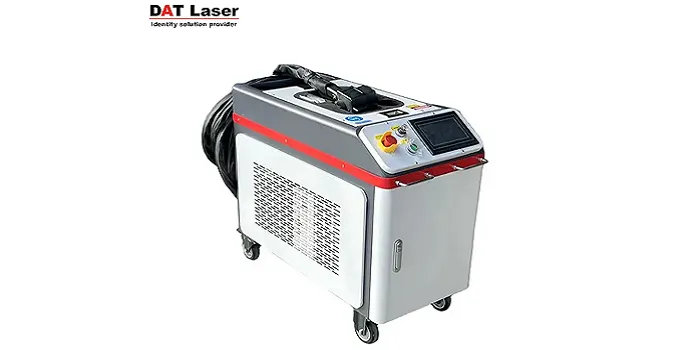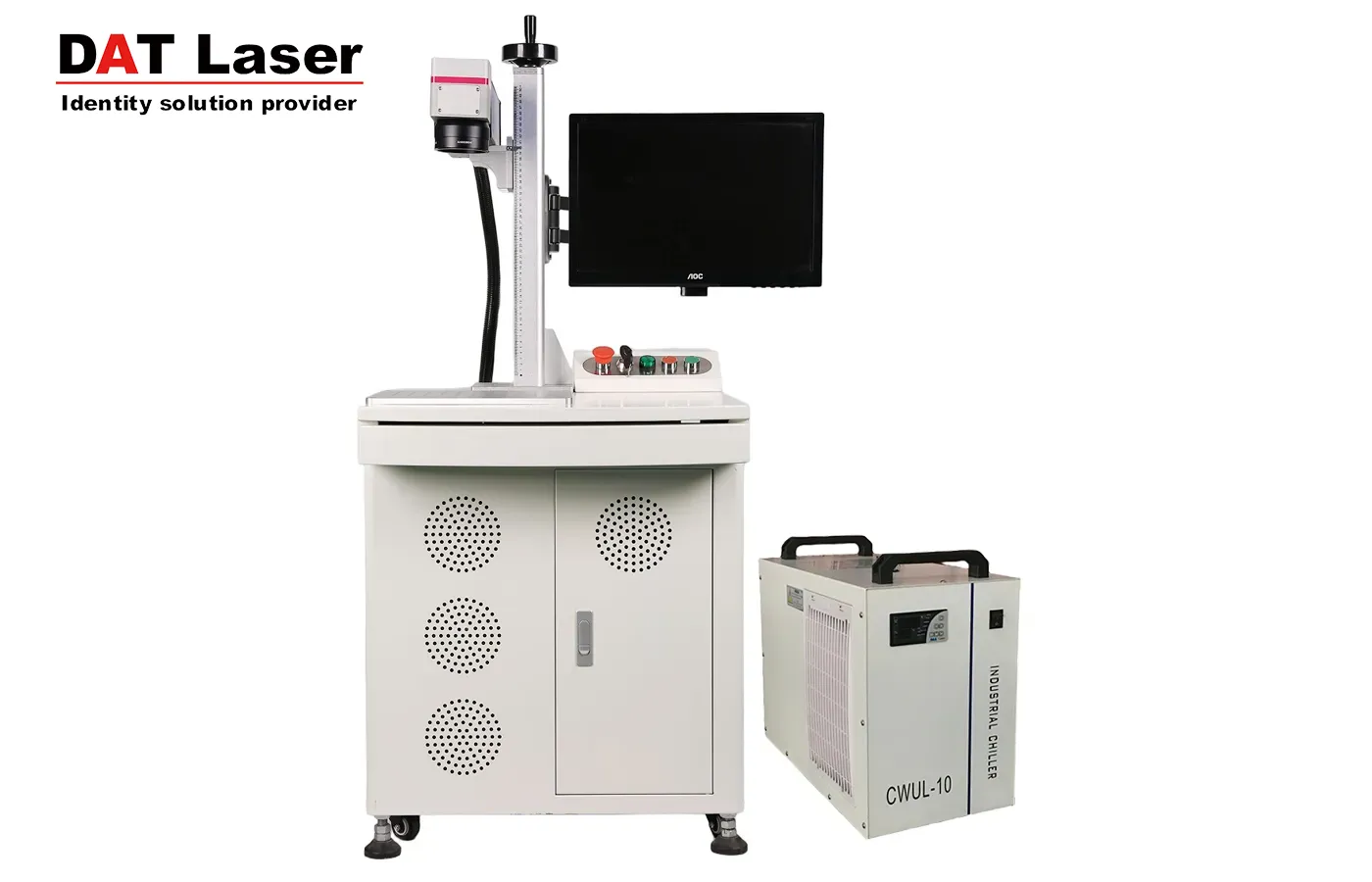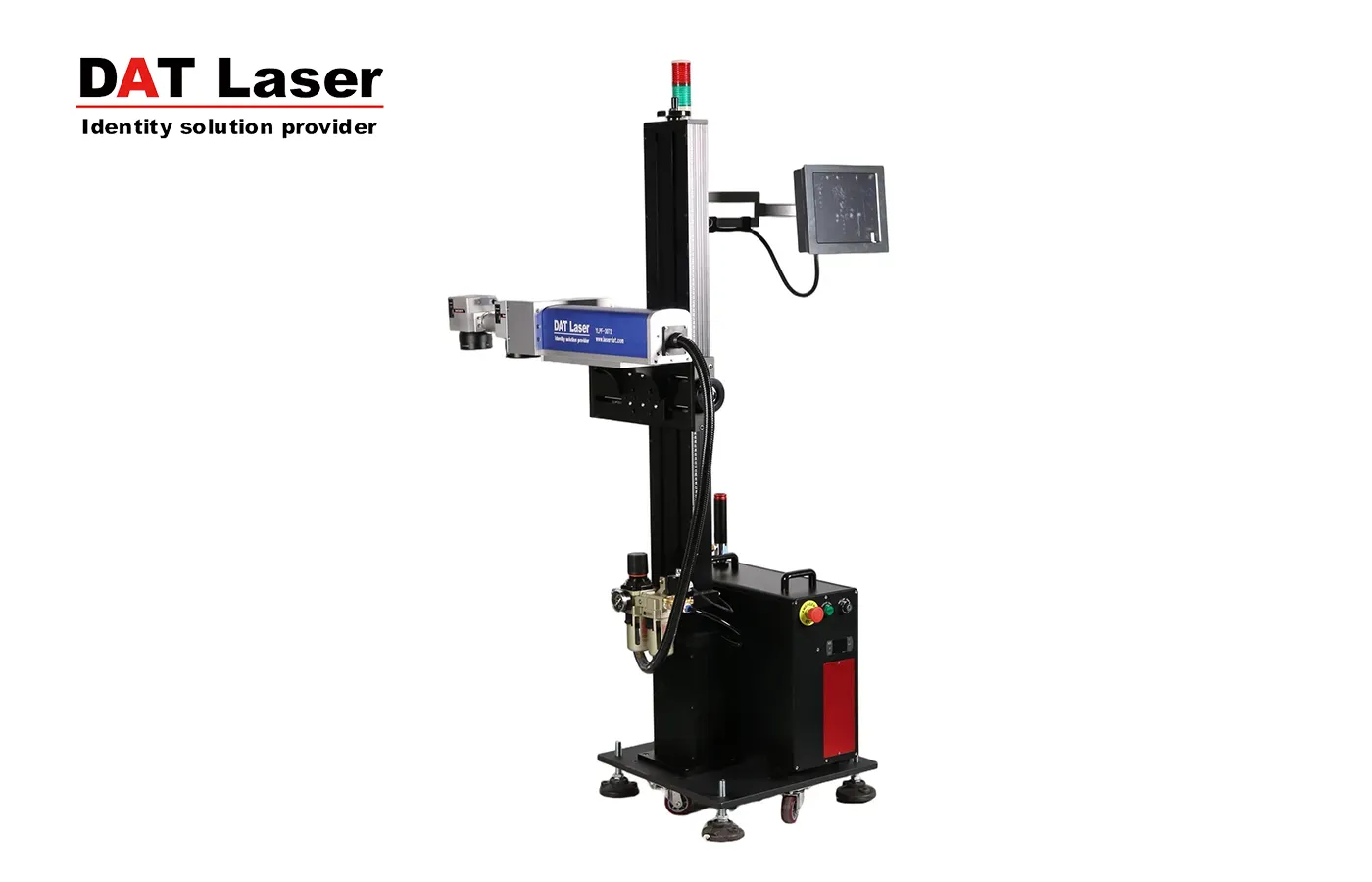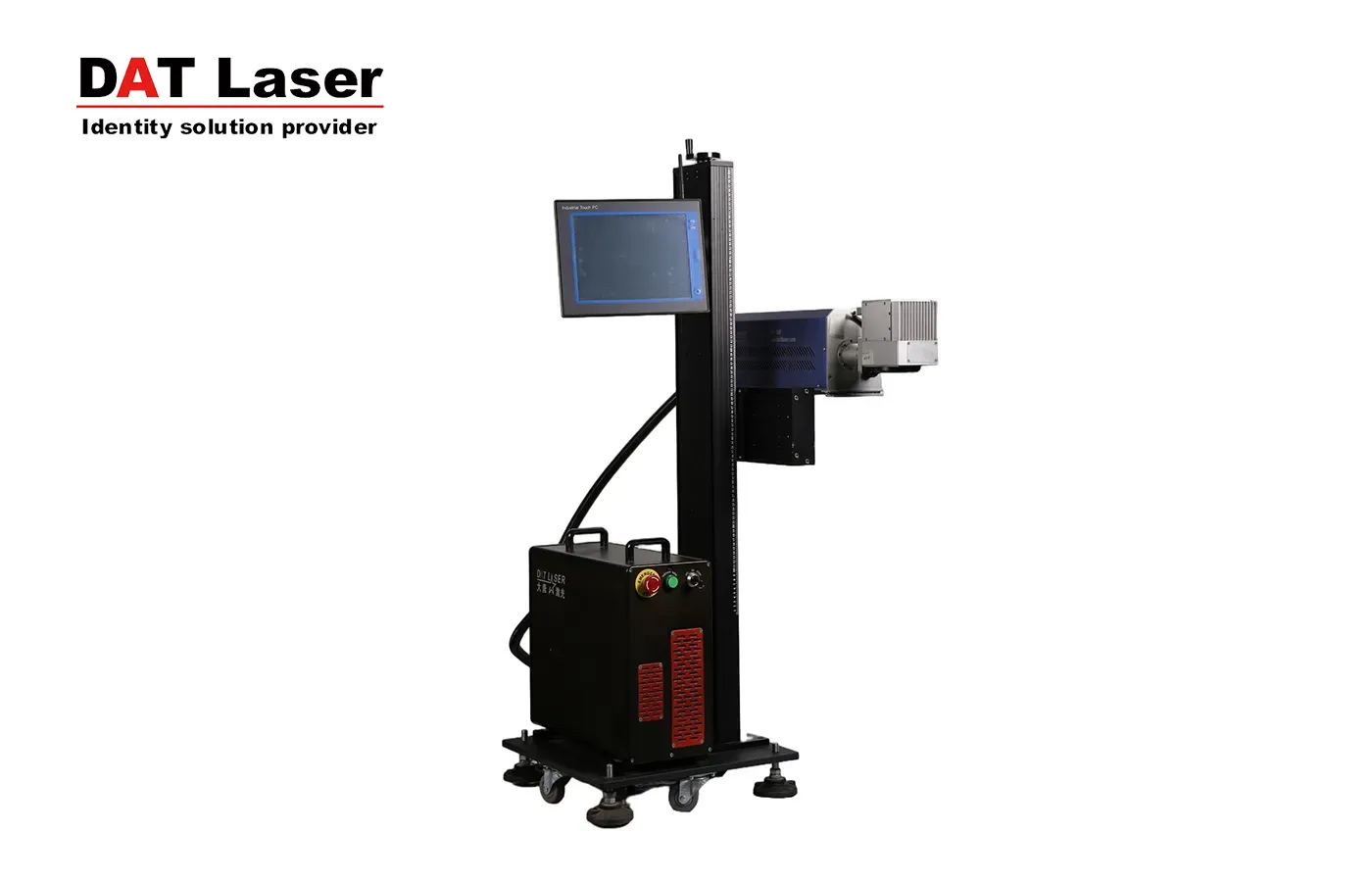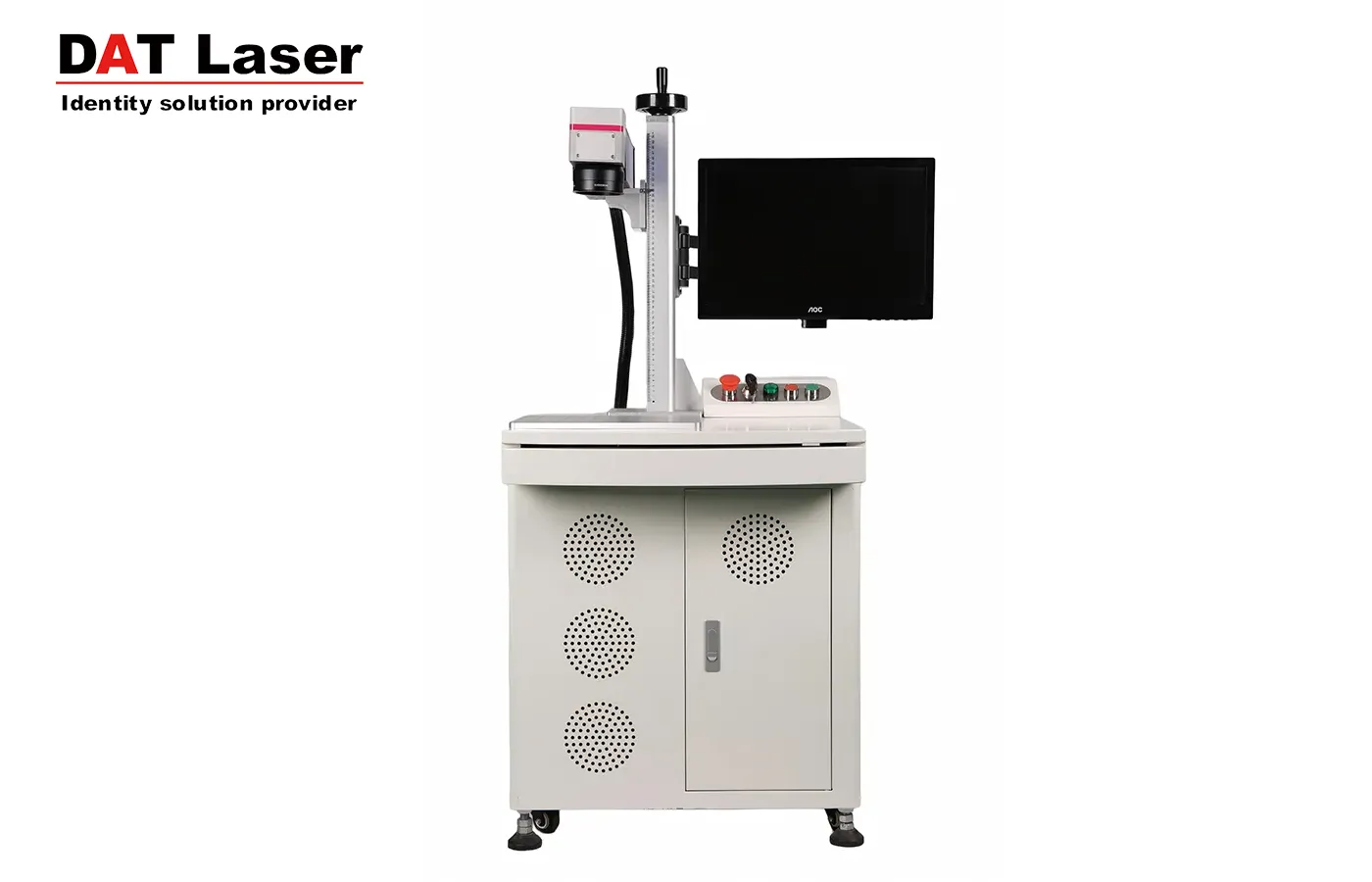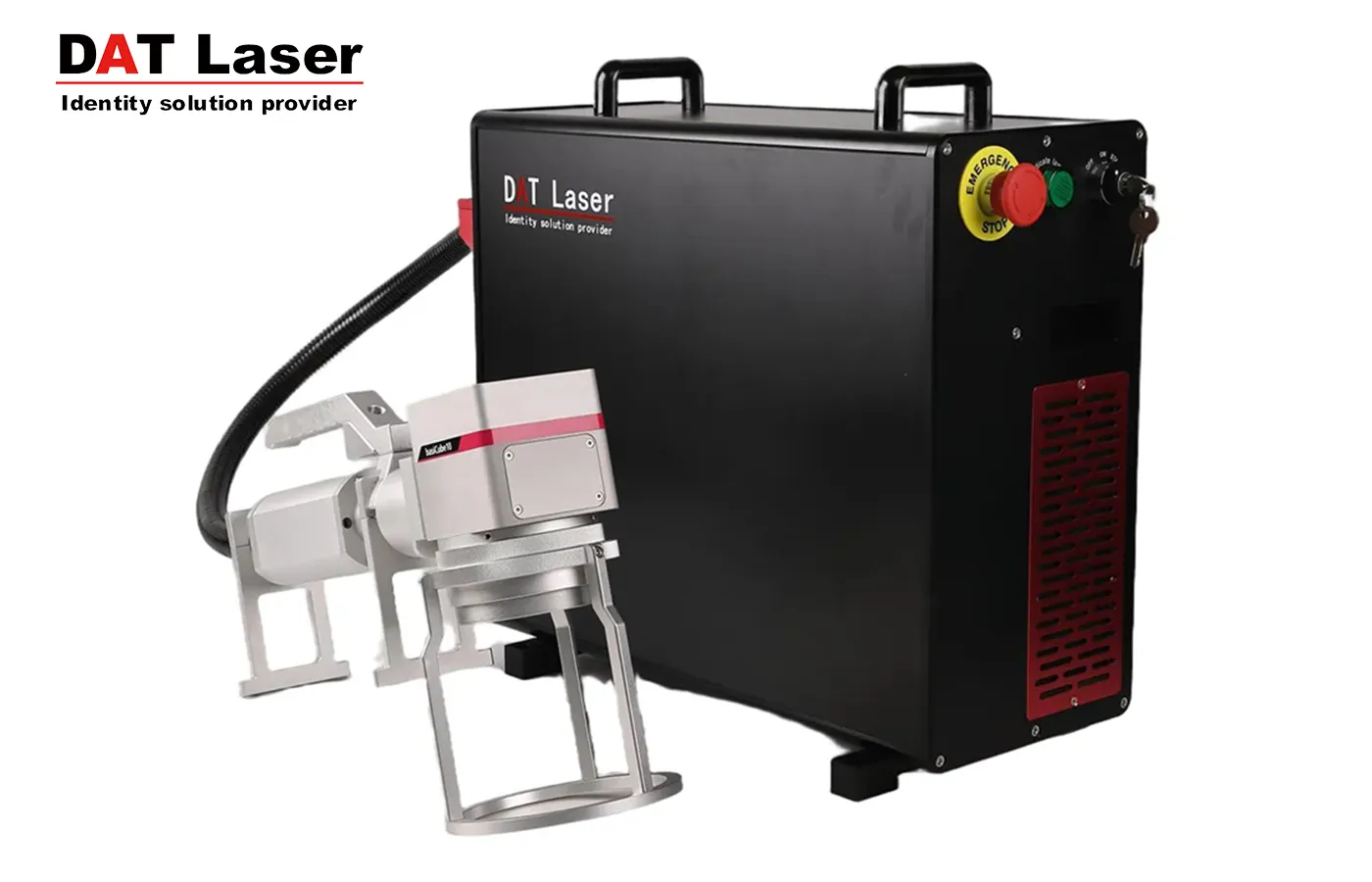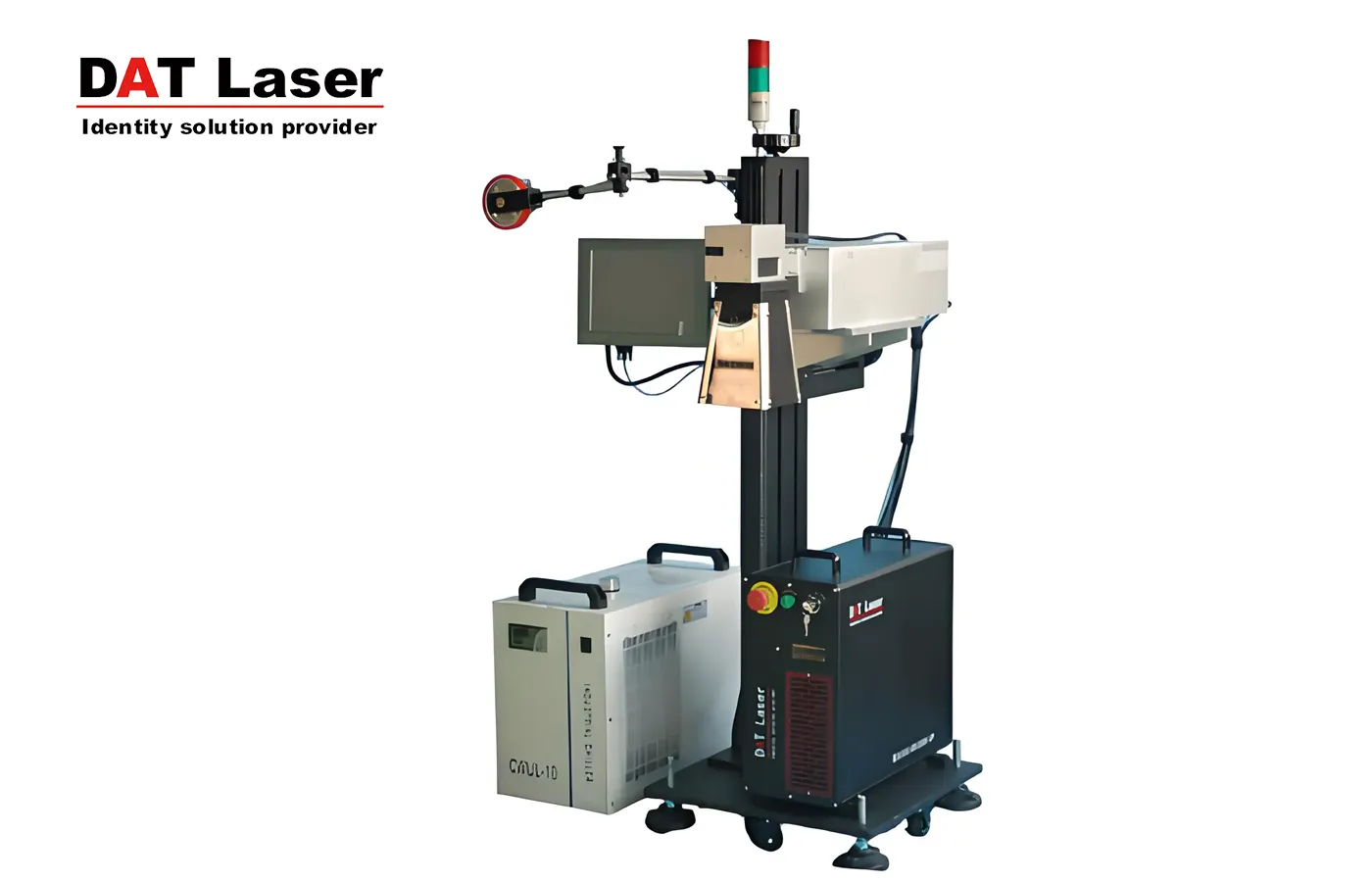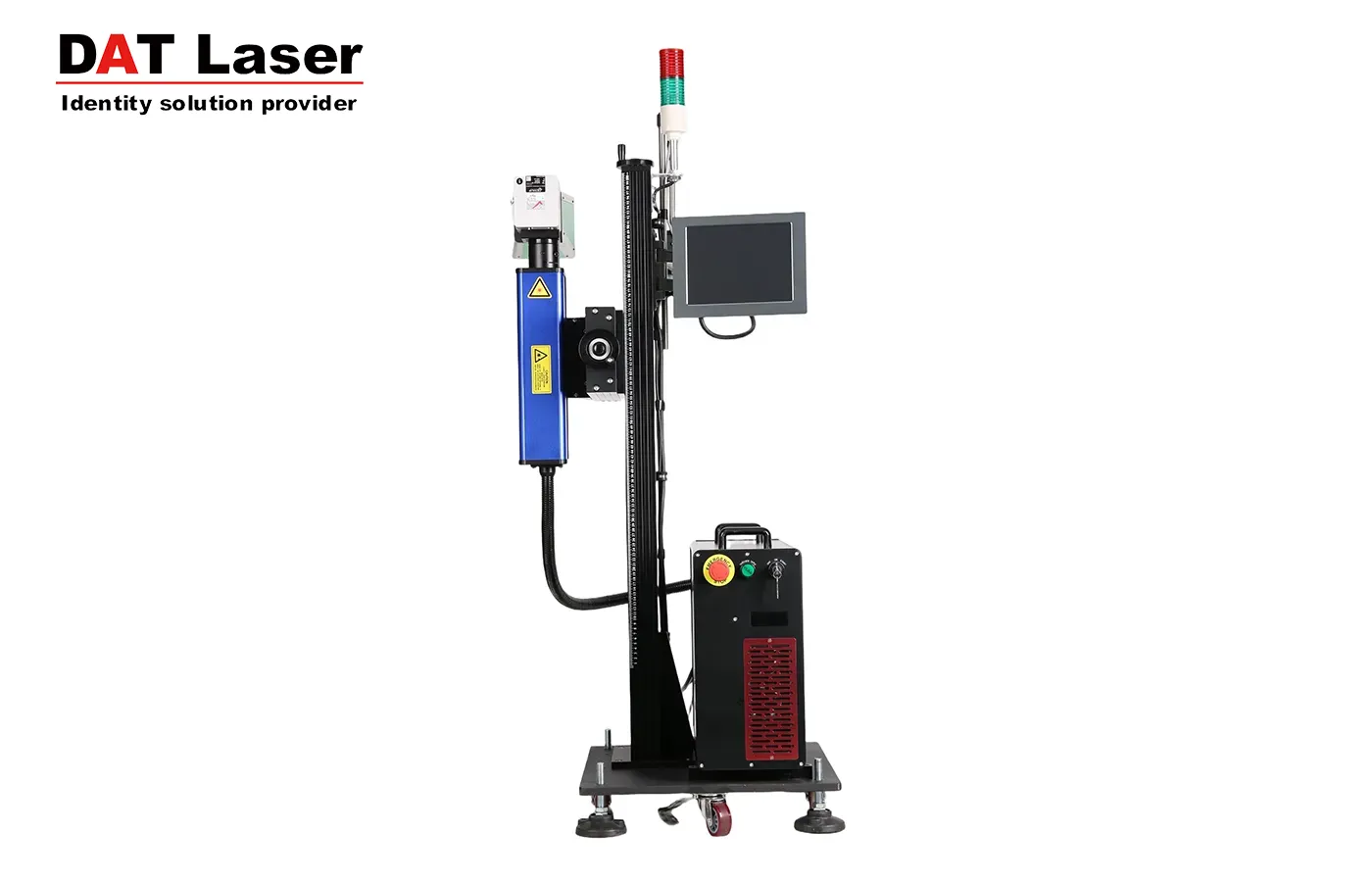
Food packaging coding requires clear, durable and permanent marks for production dates, batch numbers, QR codes and traceability information. For manufacturers replacing inkjet coding or improving packaging identification quality, both CO2 Laser Marking Machine and UV Laser Marking Machine can support non-contact, permanent and ink-free coding.
DAT Laser provides both CO2 and UV laser marking machine solutions for industrial packaging applications. The better choice depends mainly on packaging material, code size, surface sensitivity, marking contrast and readability requirements.
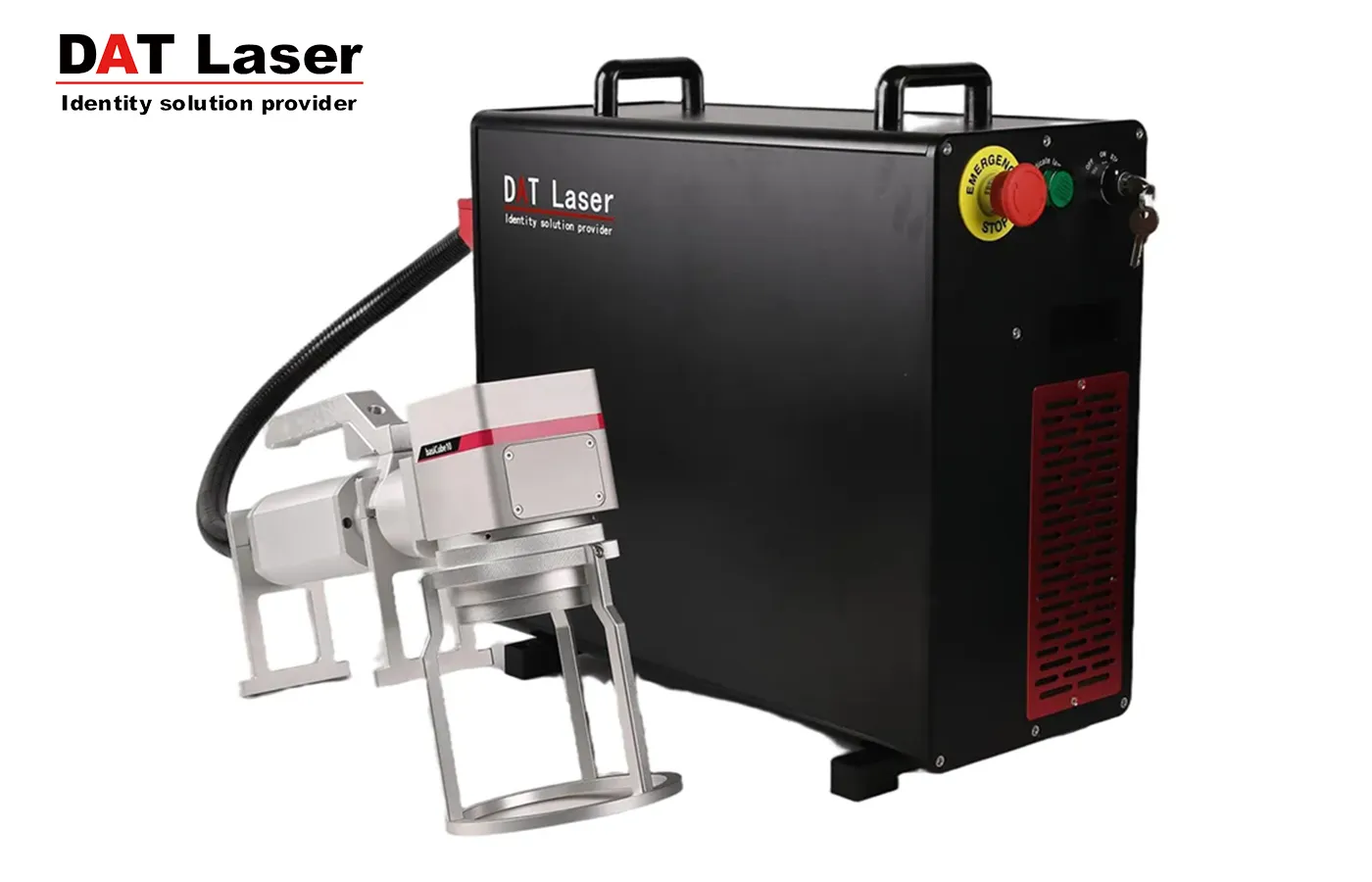
A CO2 Laser Marking Machine is a non-contact laser coding system that uses CO2 laser energy to create permanent marks on packaging surfaces.
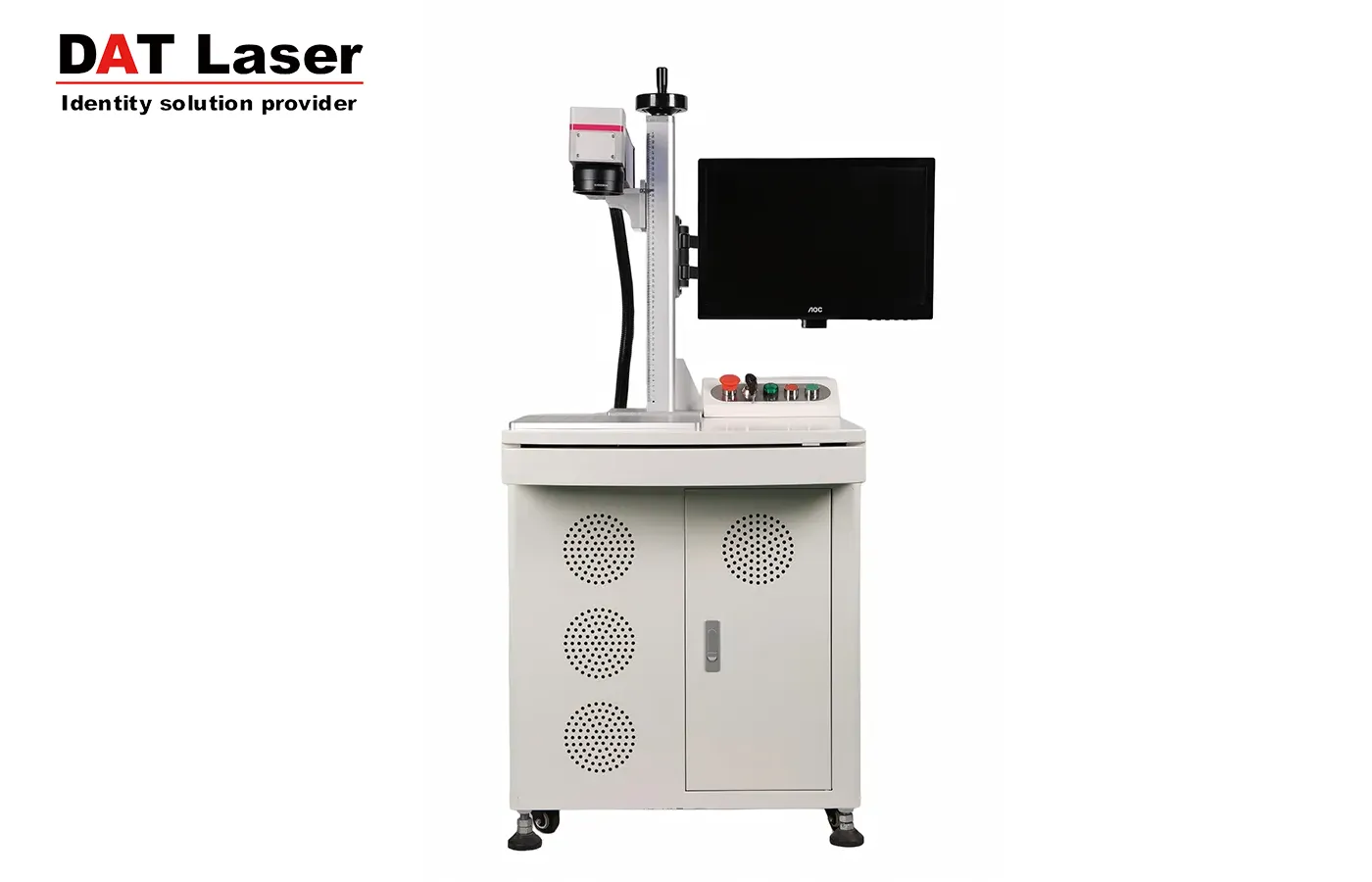
For food packaging applications, CO2 laser marking is often used for date coding, batch number marking and text coding on paper packaging, cartons, coated boxes, labels, films and certain plastic substrates. DAT Laser offers 30W and 55W CO2 Laser Marking Machine options, making it suitable for buyers who need stable coding on common packaging materials.
Compared with inkjet coding, a CO2 Laser Marking Machine can reduce dependence on ink, solvents and consumables. It also helps create permanent marks that are not easily erased, supporting cleaner production and better anti-counterfeiting performance.
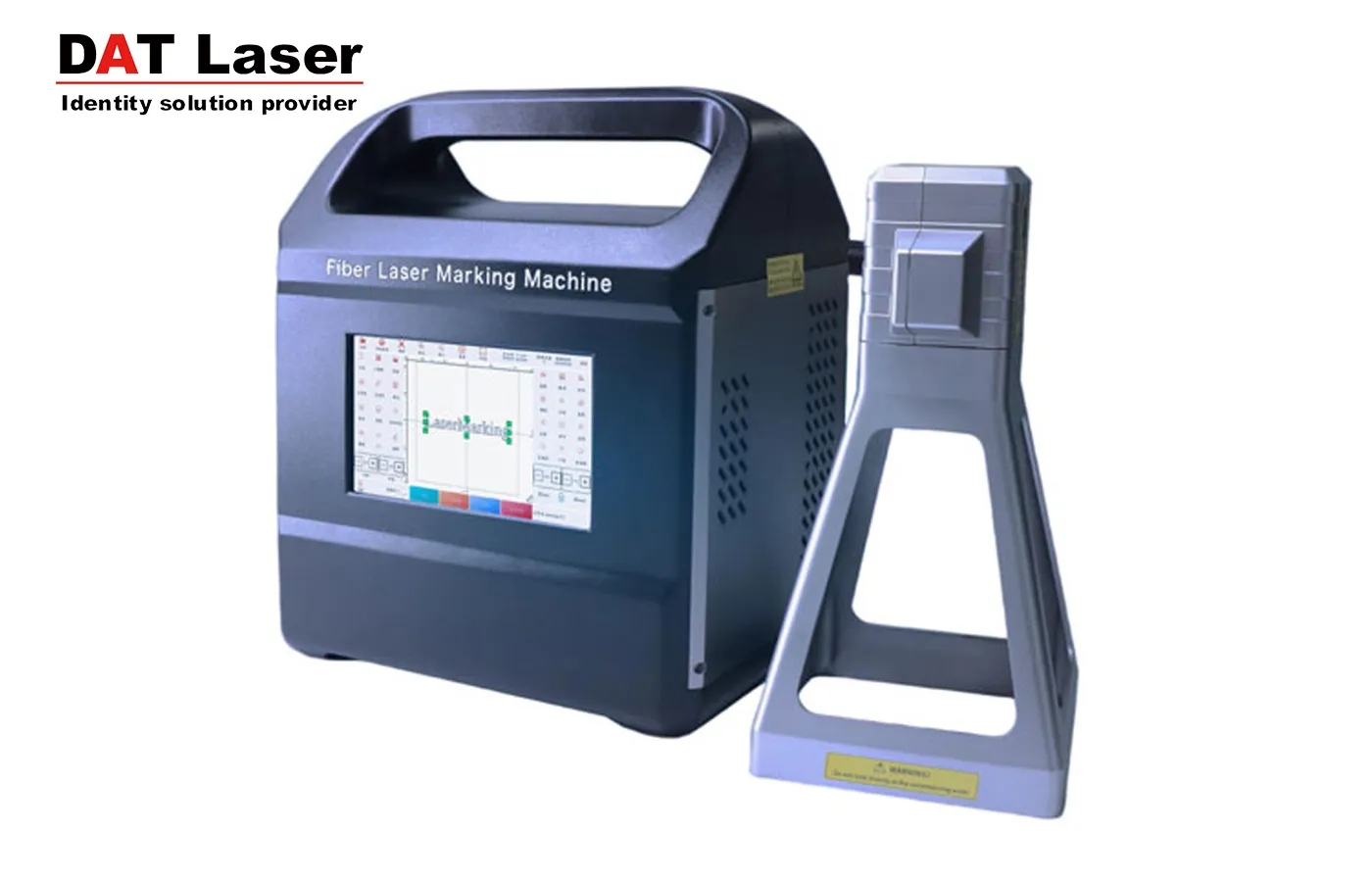
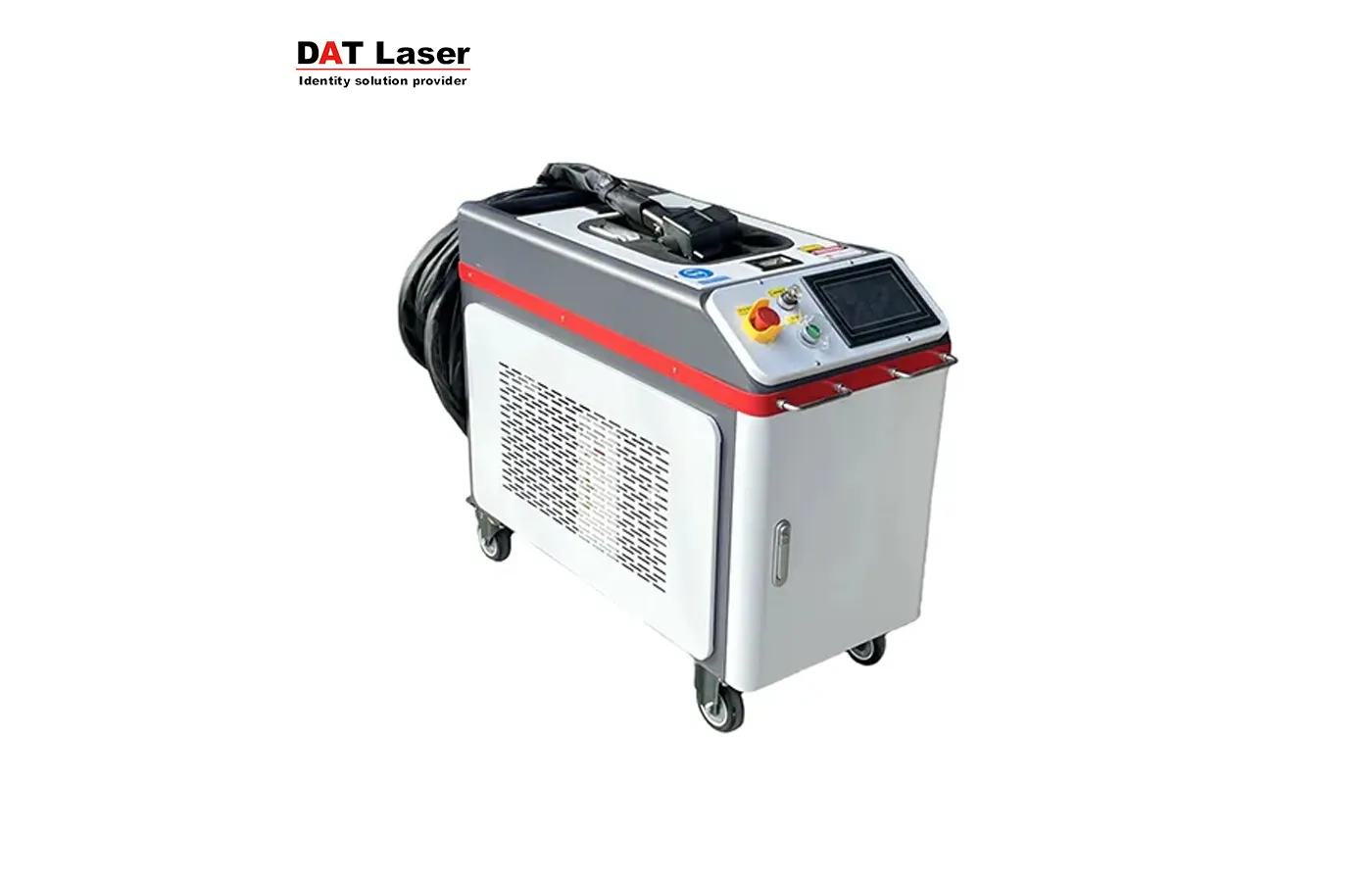
A UV Laser Marking Machine is a fine, cold laser coding system used for precise marking on sensitive packaging materials.
For food packaging, UV laser marking is especially suitable when the surface is delicate, the code is small, or the product requires a clean and refined visual result. DAT Laser’s UV Laser Marking Machine is designed for ultra-fine laser processing and can be used on food, cosmetics, pharmaceutical and polymer packaging surfaces.
DAT Laser provides 3W, 5W and 10W UV Laser Marking Machine options. Its small focused spot and minimal heat-affected zone help reduce thermal effects and material charring risks, making it practical for fine QR codes, small batch numbers and high-contrast marks on sensitive packaging.
The better laser marking machine depends on the packaging material, surface sensitivity, code size, marking contrast and required visual quality.
| Buyer Requirement | CO2 Laser Marking Machine | UV Laser Marking Machine |
|---|---|---|
| Paper packaging and cartons | Strong choice for date codes, batch numbers and text marks | Can be used when finer marking or lower heat impact is required |
| Labels and coated boxes | Suitable for clear and permanent surface marking | Suitable for delicate coatings or smaller codes |
| Films and selected plastics | Works on suitable materials with proper parameter control | Better for heat-sensitive polymers and fine surface marking |
| Bottle and polymer packaging surfaces | Depends on material response and marking contrast | Strong choice for fine, clean and cold marking |
| QR code coding | Suitable when the code size is larger and contrast is sufficient | Better for small QR codes and fine-edge clarity |
| Ink-free production | Yes | Yes |
| Permanent identification | Yes | Yes |
| DAT Laser power options | 30W / 55W | 3W / 5W / 10W |
| Best-fit buyer | Common packaging material coding buyer | Sensitive material and fine-code marking buyer |
For date and batch coding on paper packaging, cartons, coated boxes or suitable labels, a CO2 Laser Marking Machine is often a practical option. For small QR codes, premium packaging, polymer bottles or heat-sensitive surfaces, a UV Laser Marking Machine may provide better detail, lower heat impact and stronger surface protection.
Buyers should choose a CO2 or UV Laser Marking Machine based on packaging material, line speed, code size, readability and long-term operating cost.
If the main task is date coding or batch number marking on cartons, labels, sleeves or common packaging surfaces, a DAT Laser CO2 Laser Marking Machine may be the practical choice. It is suitable for stable coding, efficient operation and wide packaging material adaptability.
If the main task is fine QR code marking, small batch code marking, bottle surface coding or high-quality marks on sensitive polymer materials, a DAT Laser UV Laser Marking Machine may be more suitable. For reference, DAT Laser’s UV model can achieve a minimum character size of 0.2mm, a minimum line width of 0.05mm, repetition accuracy of ±0.003mm and engraving linear speed up to 7000mm/s, depending on actual material and working conditions.
Sample testing is the most reliable way to confirm whether a CO2 or UV Laser Marking Machine is better for a specific food packaging application.
Buyers should test marking contrast, QR code readability, surface change, marking speed and code durability. For QR codes, readability is especially important because a visually clear code may still fail if the edges are distorted or contrast is weak. For date and batch coding, the key is whether the mark remains legible after handling, storage and distribution.
DAT Laser can help buyers compare CO2 and UV marking results on real packaging materials, then recommend a suitable laser type, power option and production configuration.
DAT Laser marking machine solutions are suitable for food packaging manufacturers that need stable coding equipment, practical testing support and customized application guidance.
DAT Laser focuses on improving marking efficiency, accuracy and user experience through laser technology and control software. For packaging buyers, this means easier operation, lower training difficulty and more stable coding performance across production batches.
Whether the project requires a CO2 Laser Marking Machine for paper, carton, label or film packaging, or a UV Laser Marking Machine for fine QR code marking on sensitive polymer packaging, DAT Laser can support buyers with sample evaluation, machine selection and practical marking solutions.
A CO2 Laser Marking Machine is often suitable for date coding on paper packaging, cartons, labels and selected films, while a UV Laser Marking Machine is better for sensitive surfaces, polymer packaging or very fine codes.
A UV Laser Marking Machine is often preferred for small QR codes because it offers fine marking quality and lower heat impact.
Yes. In many packaging applications, laser marking machines can replace inkjet coding and reduce ink, solvent and consumable use.
Yes. DAT Laser’s CO2 Laser Marking Machine can create permanent marks that are not easily erased.
DAT Laser provides 30W and 55W CO2 Laser Marking Machine options, as well as 3W, 5W and 10W UV Laser Marking Machine options.
Yes. Sample testing helps confirm code contrast, QR readability, surface effect and marking speed before final machine selection.
For food packaging date and batch coding on paper packaging, cartons, labels and suitable films, a CO2 Laser Marking Machine is often a practical choice because it supports stable, permanent and ink-free marking. For fine QR codes, premium packaging and heat-sensitive polymer surfaces, a UV Laser Marking Machine may offer better detail and surface protection. DAT Laser provides both CO2 and UV laser marking machine solutions, helping food packaging manufacturers choose the right machine based on real packaging materials, code size, surface sensitivity and coding requirements.