Choosing the right fiber laser power is one of the most important decisions when purchasing a laser marking machine. Many buyers wonder whether a 20W, 30W, or 50W fiber laser is the best option for their production needs.
While all three power levels can permanently mark metals and certain plastics, they differ significantly in marking speed, engraving depth, production efficiency, and application suitability.
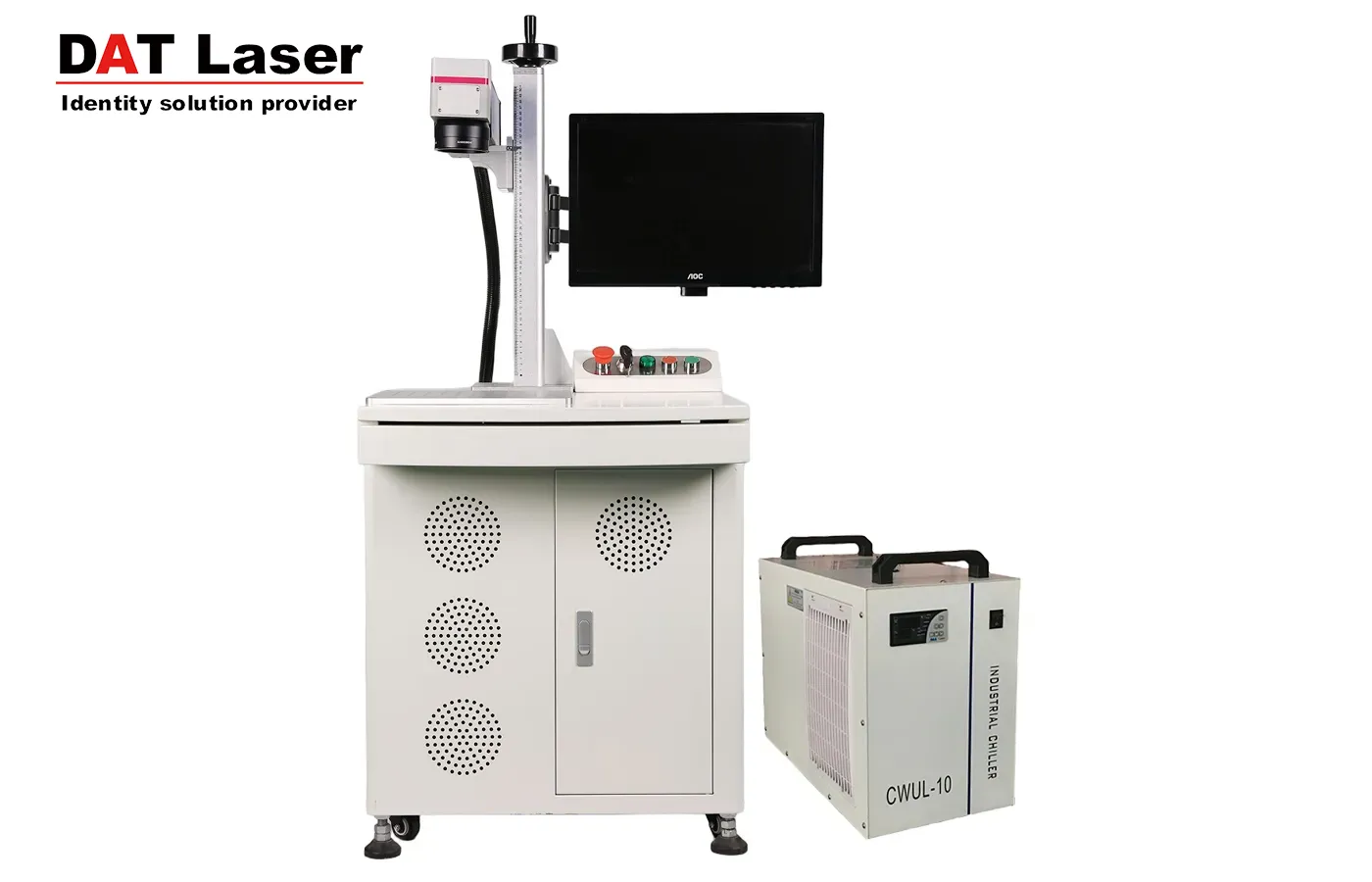
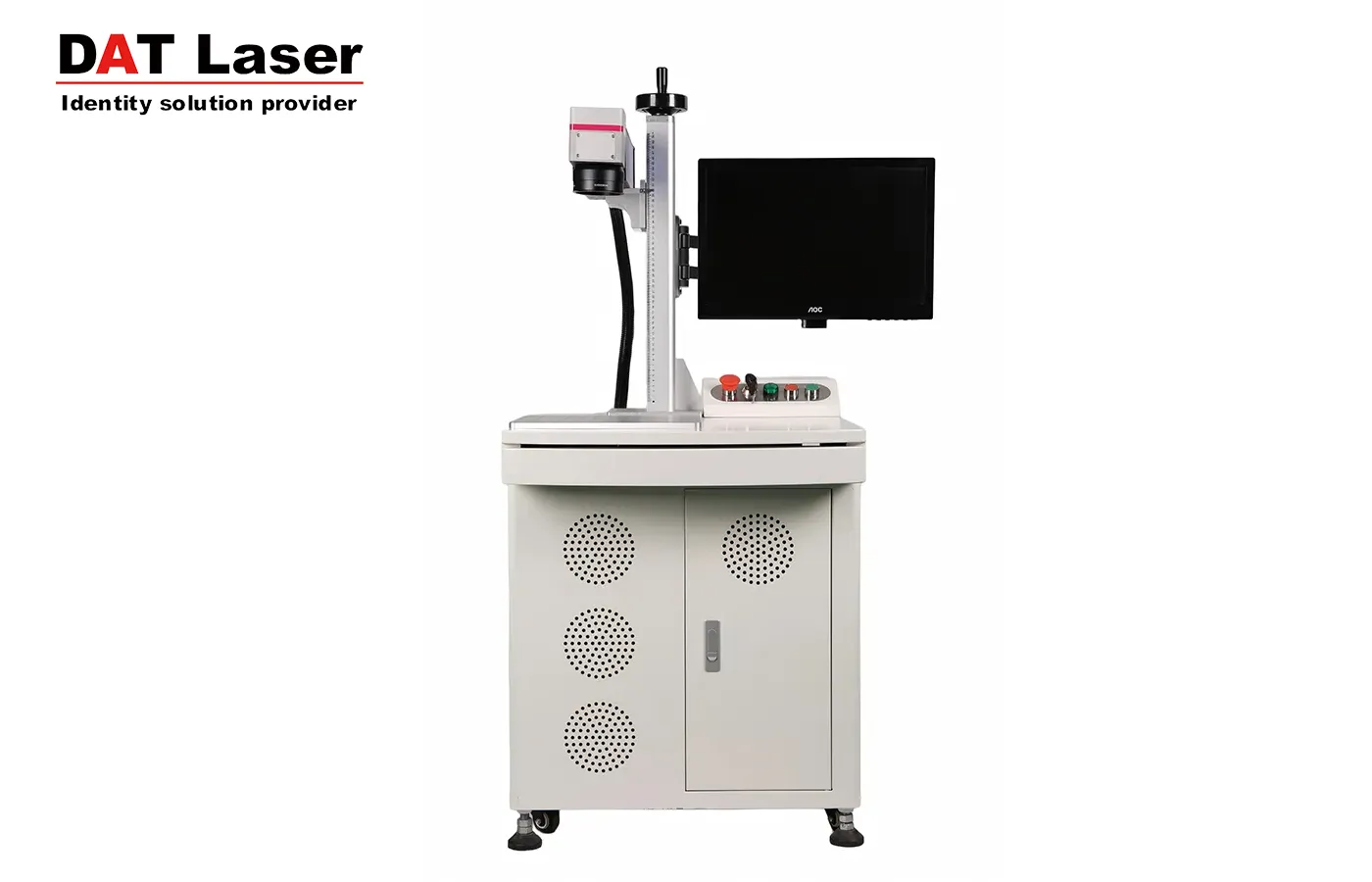
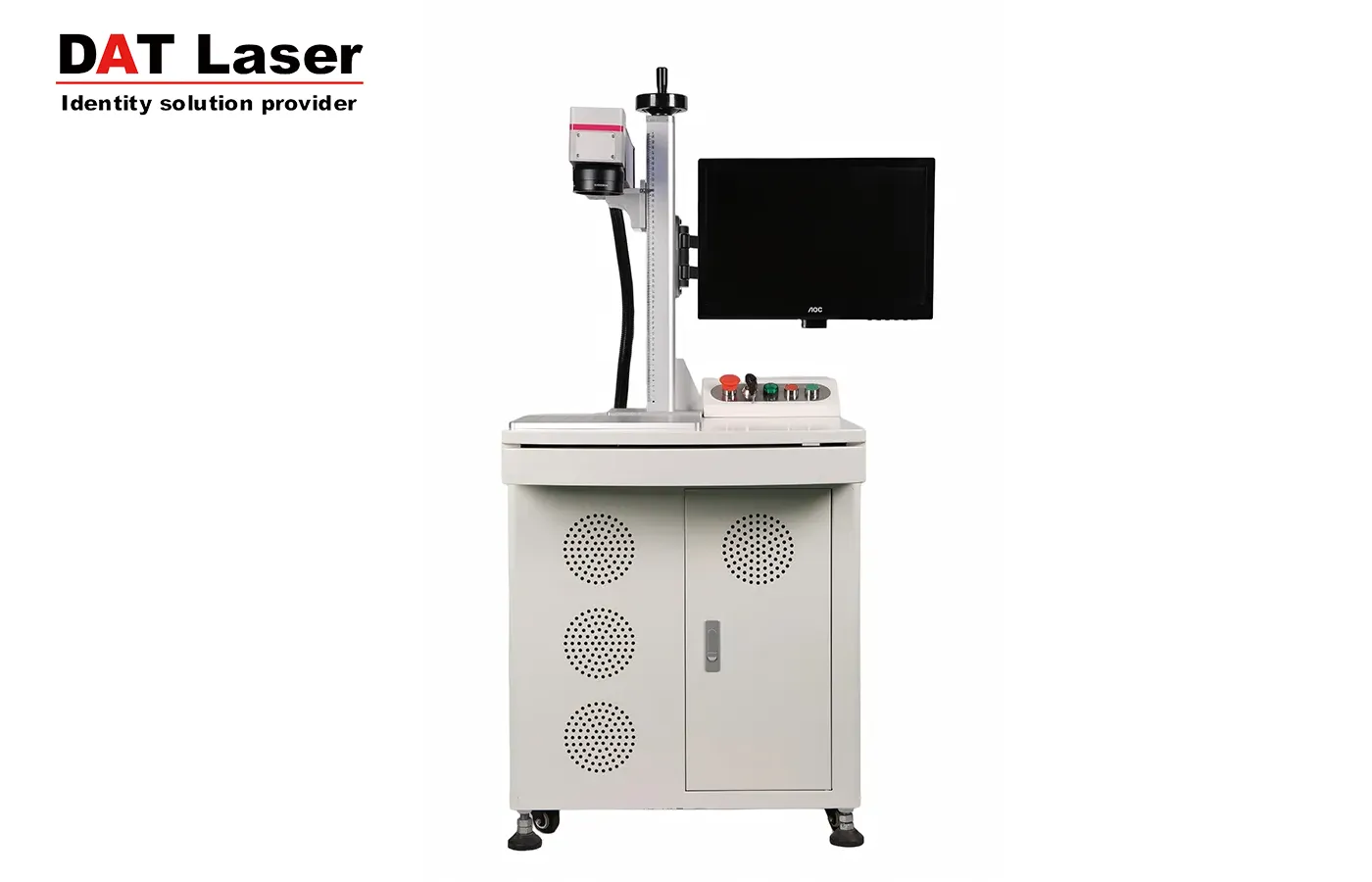
At DAT Laser, our 20W, 30W, and 50W Fiber Laser Marking Machines are widely used in industries such as automotive parts, electronics, jewelry, hardware tools, medical devices, solar energy, packaging, and industrial traceability systems. DAT desktop fiber laser marking machines feature a 1064nm fiber laser source, marking speeds up to 7000 mm/s, and repeat positioning accuracy of ±0.003 mm, making them suitable for both small-batch customization and large-scale industrial production.
In this guide, we compare 20W, 30W, and 50W fiber lasers to help you choose the most suitable solution.
Laser power determines how much energy is delivered to the material surface.
Generally speaking:
Higher power = faster marking speed
Higher power = deeper engraving capability
Higher power = greater productivity
Higher power = higher equipment investment
However, higher power does not always mean better results. The best choice depends on your materials, production volume, and marking requirements.
| Feature | 20W Fiber Laser | 30W Fiber Laser | 50W Fiber Laser |
|---|---|---|---|
| Marking Speed | Good | Better | Best |
| Deep Engraving | Limited | Moderate | Excellent |
| Stainless Steel Marking | ✓ | ✓ | ✓ |
| Aluminum Marking | ✓ | ✓ | ✓ |
| QR Code Marking | Excellent | Excellent | Excellent |
| Production Capacity | Low-Medium | Medium-High | High |
| Initial Investment | Lowest | Moderate | Highest |
| Operating Cost | Low | Low | Moderate |
| Recommended User | Entry-Level | Most Manufacturers | Heavy Industry |
A 20W fiber laser marking machine is an excellent choice for businesses focused primarily on surface marking rather than deep engraving.
Serial numbers
QR codes
Barcodes
Logos
Nameplates
Jewelry marking
Electronic components
Medical packaging
Lowest equipment cost
Energy-efficient operation
Compact footprint
Ideal for startup businesses
Slower marking speed in high-volume production
Limited deep engraving capability
Longer cycle times for large graphics
If your primary goal is product identification and traceability, a 20W laser is often sufficient.
For most manufacturers, a 30W fiber laser offers the best balance between performance and investment.
Many industrial users choose 30W because it provides noticeably faster marking speeds than 20W while maintaining reasonable equipment costs.
Automotive components
Hardware tools
Metal tags
Electronic housings
Stainless steel products
Industrial equipment labels
Faster production throughput
Improved engraving depth
Excellent ROI
Suitable for most industrial applications
Automotive manufacturing
Electronics manufacturing
Hardware and tools
Sanitary ware
Construction materials
For most customers, 30W is the safest and most versatile choice.
A 50W fiber laser marking machine is designed for high-speed production and deep engraving applications.
The higher power output allows the laser to remove more material per pass, significantly reducing processing time during deep engraving projects.
Deep metal engraving
Mold marking
Tool steel engraving
Heavy-duty industrial parts
Aerospace components
Large-volume production lines
Fastest marking speed
Greater engraving depth
Increased productivity
Better performance on hard metals
Mold manufacturing
Aerospace
Heavy machinery
Industrial equipment
Metal fabrication
If production efficiency and engraving depth are critical, a 50W fiber laser provides the strongest performance.
For simple logos, serial numbers, and QR codes:
20W: Excellent
30W: Excellent
50W: Excellent
In this scenario, there is little difference in marking quality.
For deep engraving applications:
20W: Multiple passes required
30W: Faster material removal
50W: Best performance and shortest cycle time
For continuous production environments:
20W: Suitable for small batches
30W: Suitable for medium production
50W: Suitable for mass production
| Industry | Recommended Power |
| Jewelry | 20W |
| Electronics | 20W / 30W |
| Medical Devices | 20W / 30W |
| Hardware Tools | 30W |
| Automotive Parts | 30W / 50W |
| Metal Nameplates | 30W |
| Mold Manufacturing | 50W |
| Aerospace Components | 50W |
| Heavy Industry | 50W |
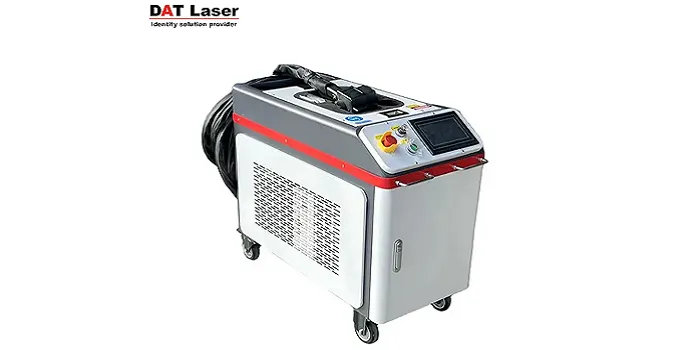
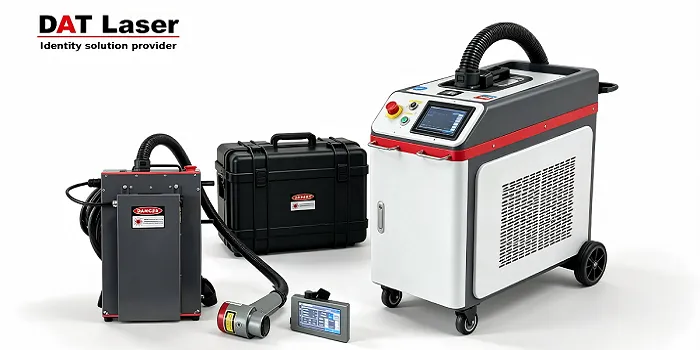
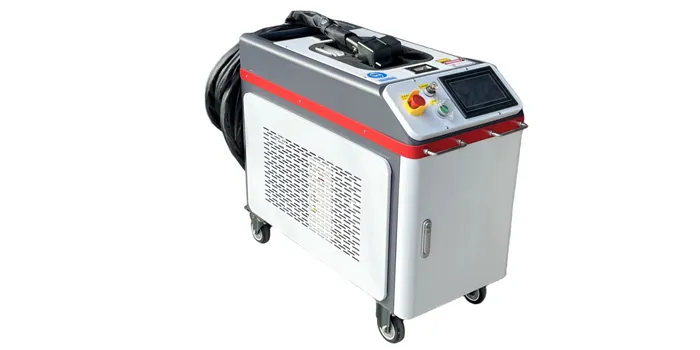
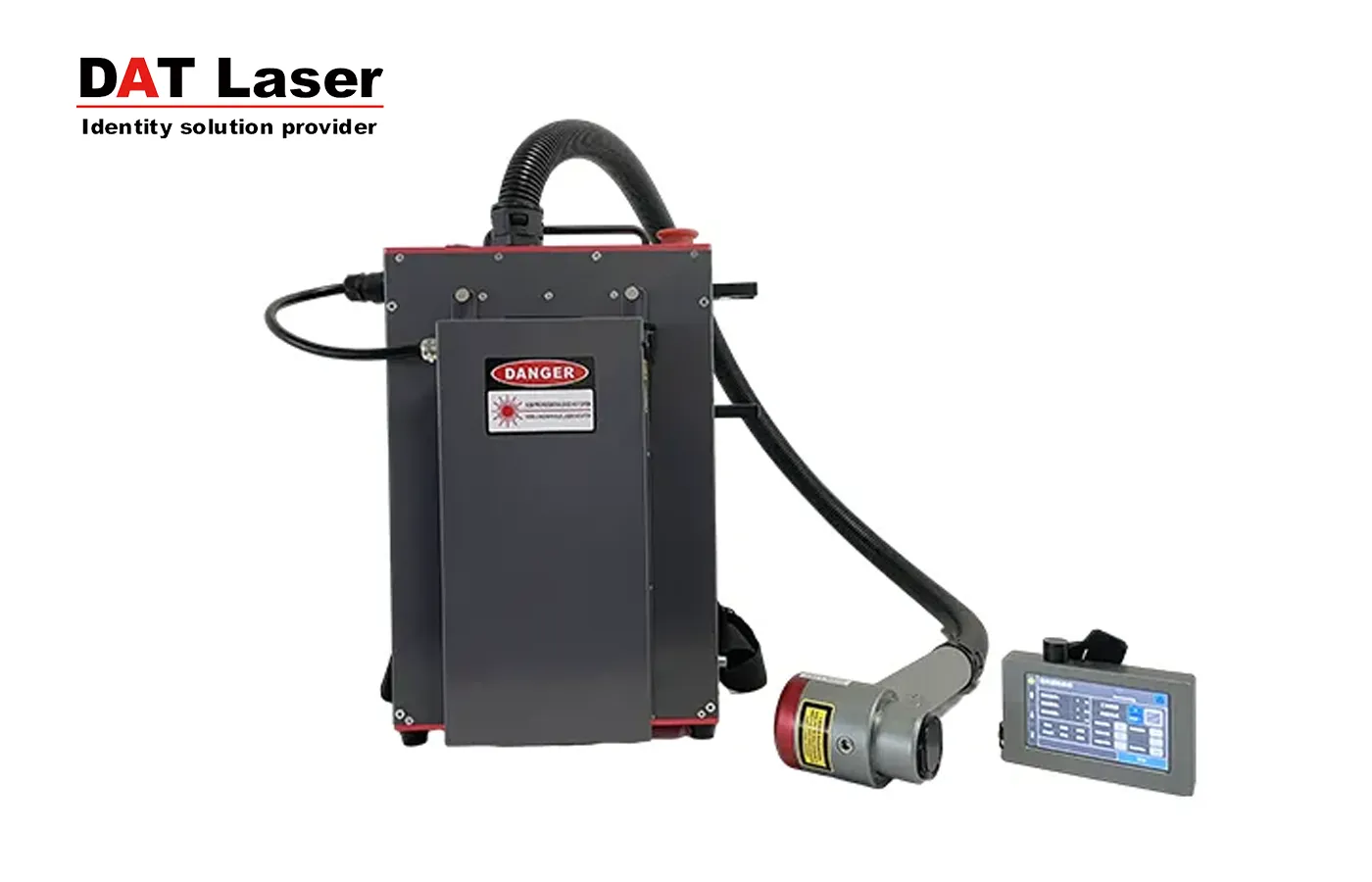
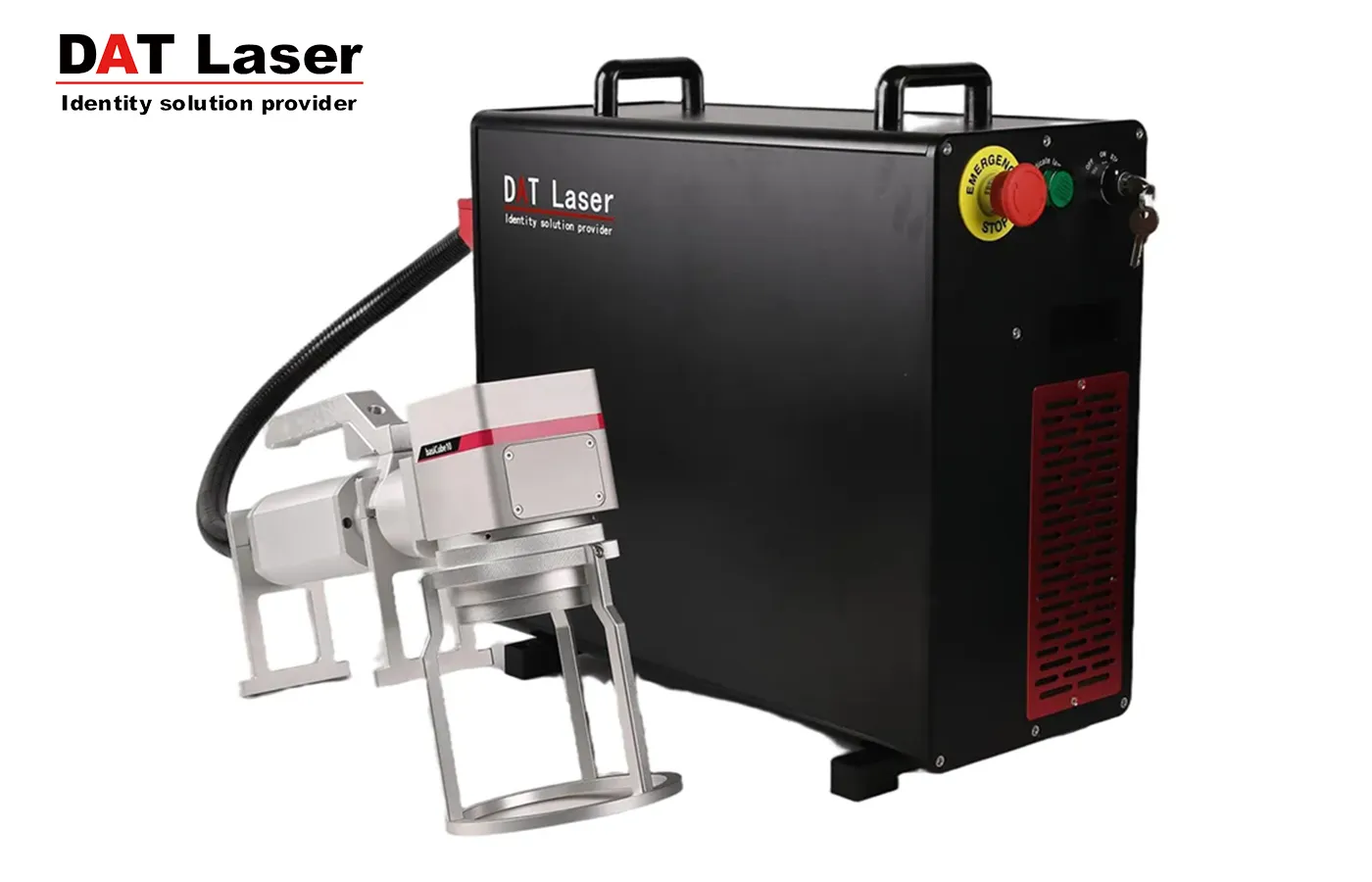
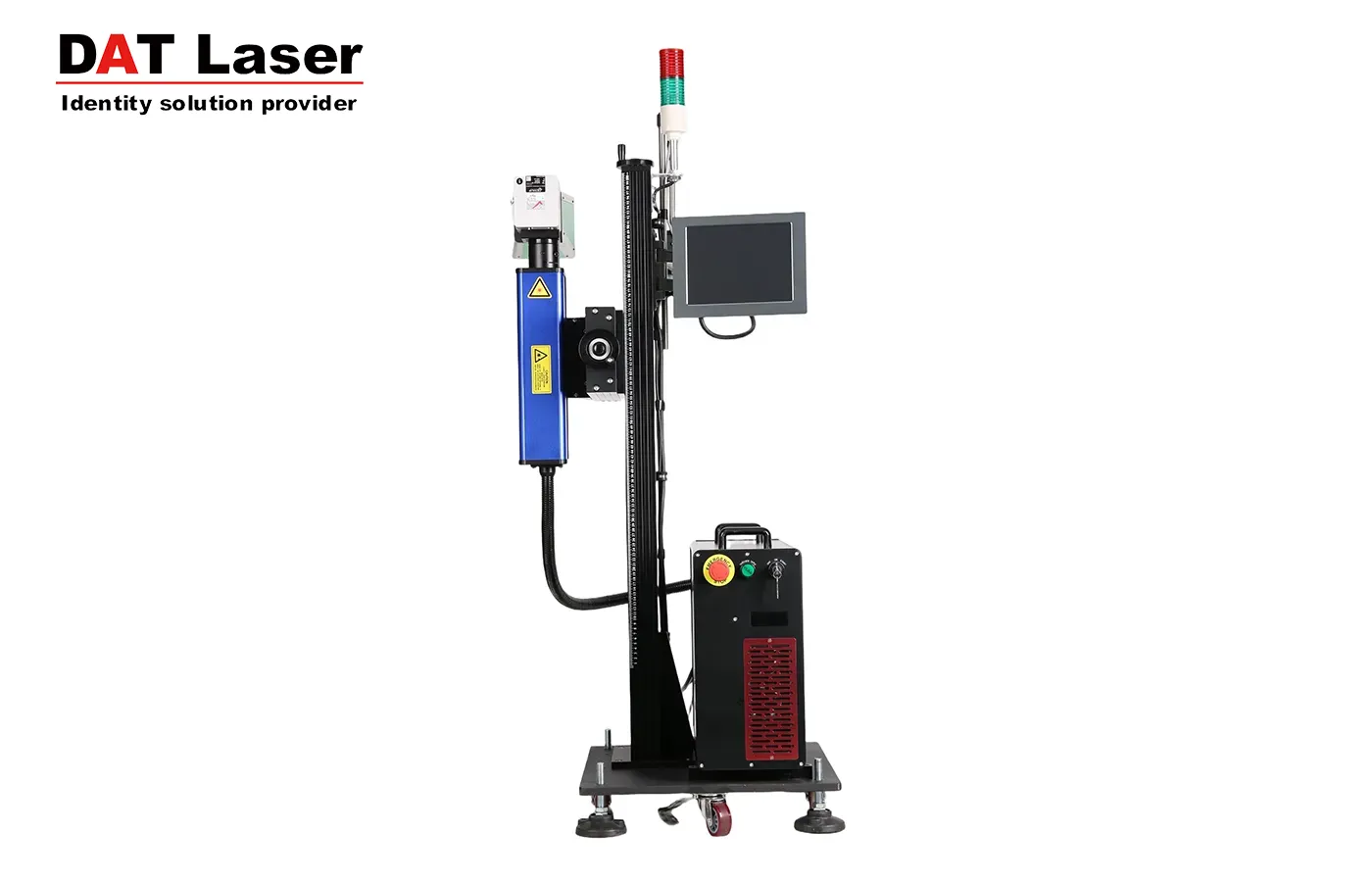
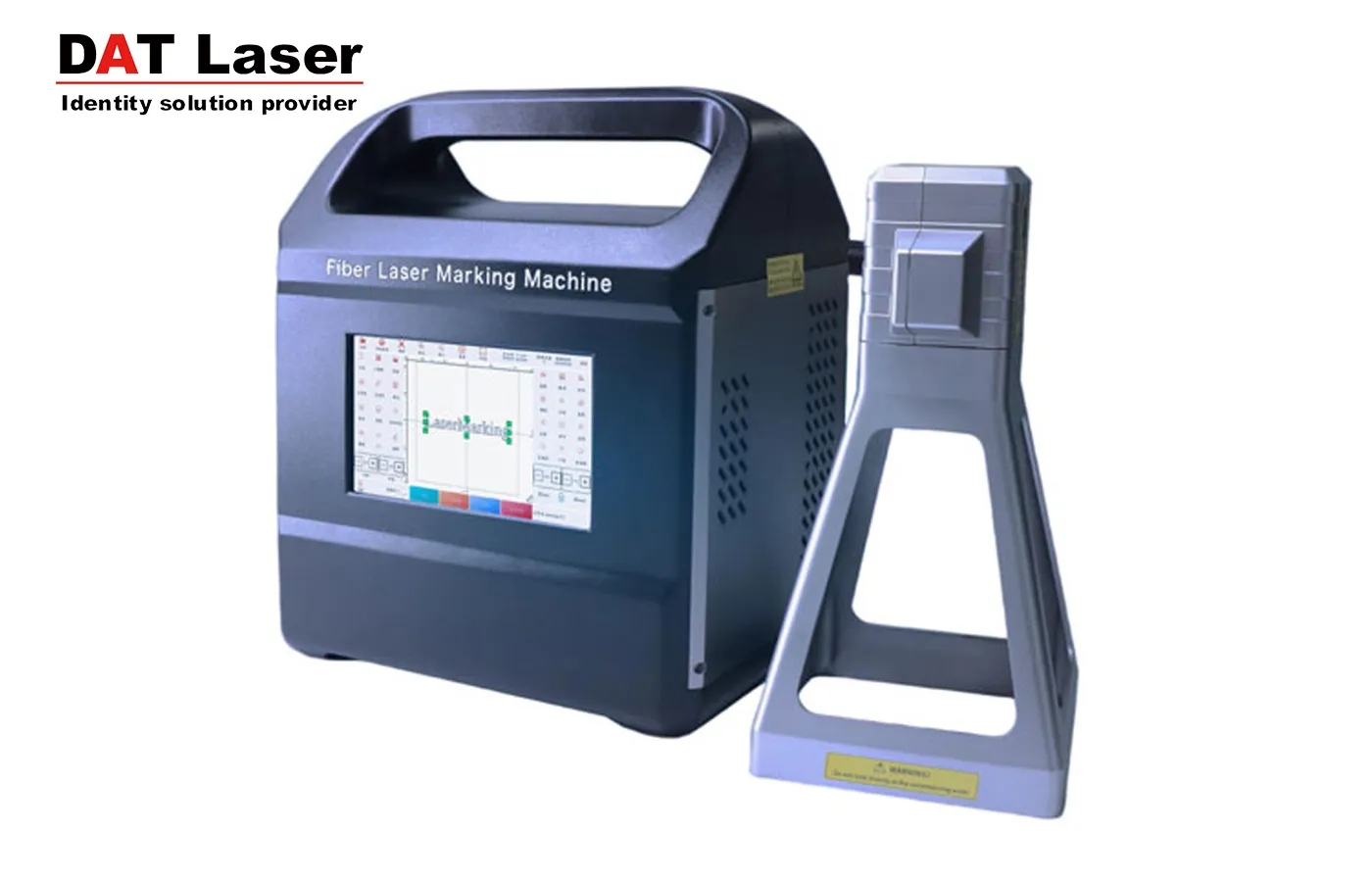
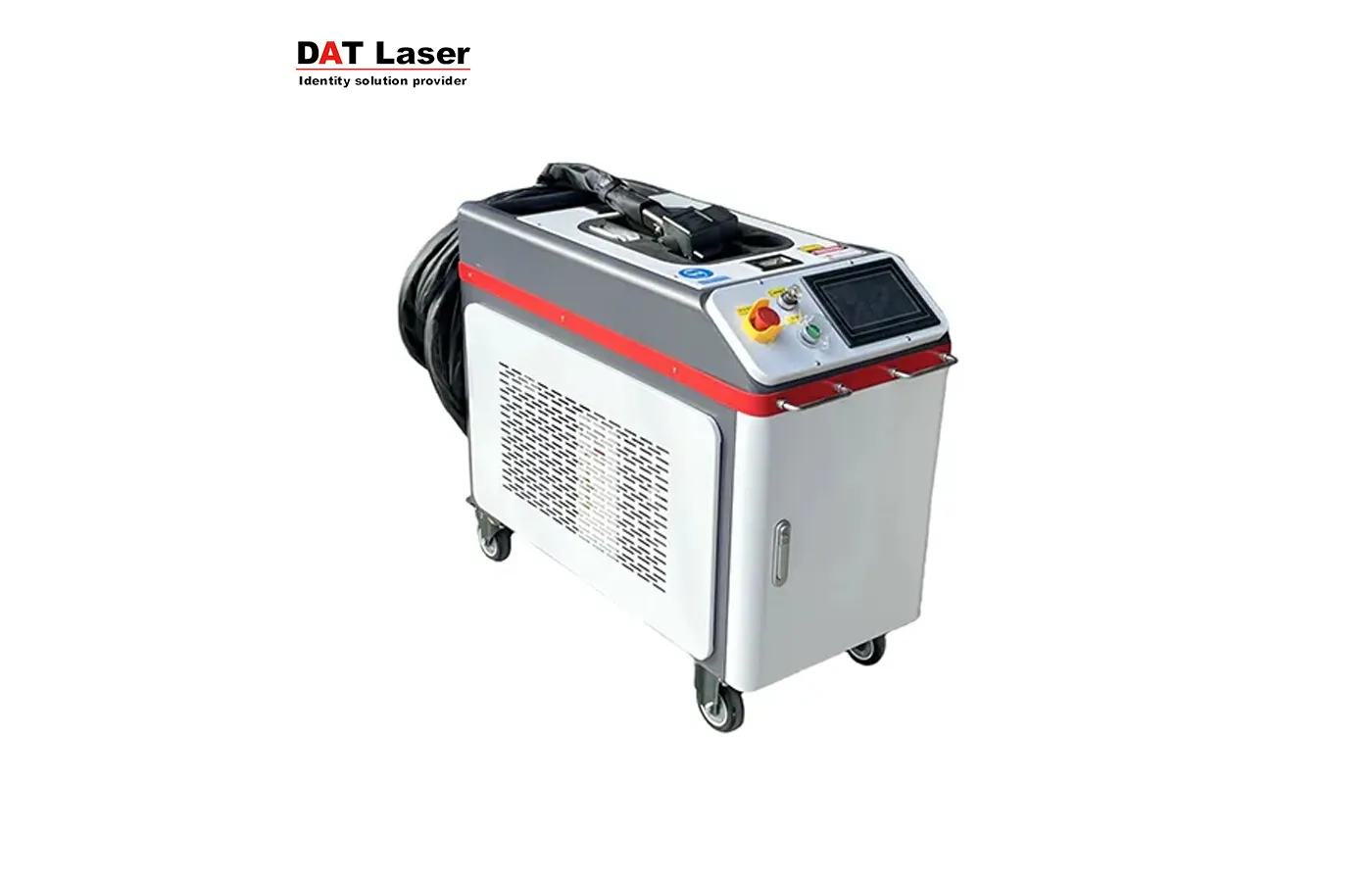
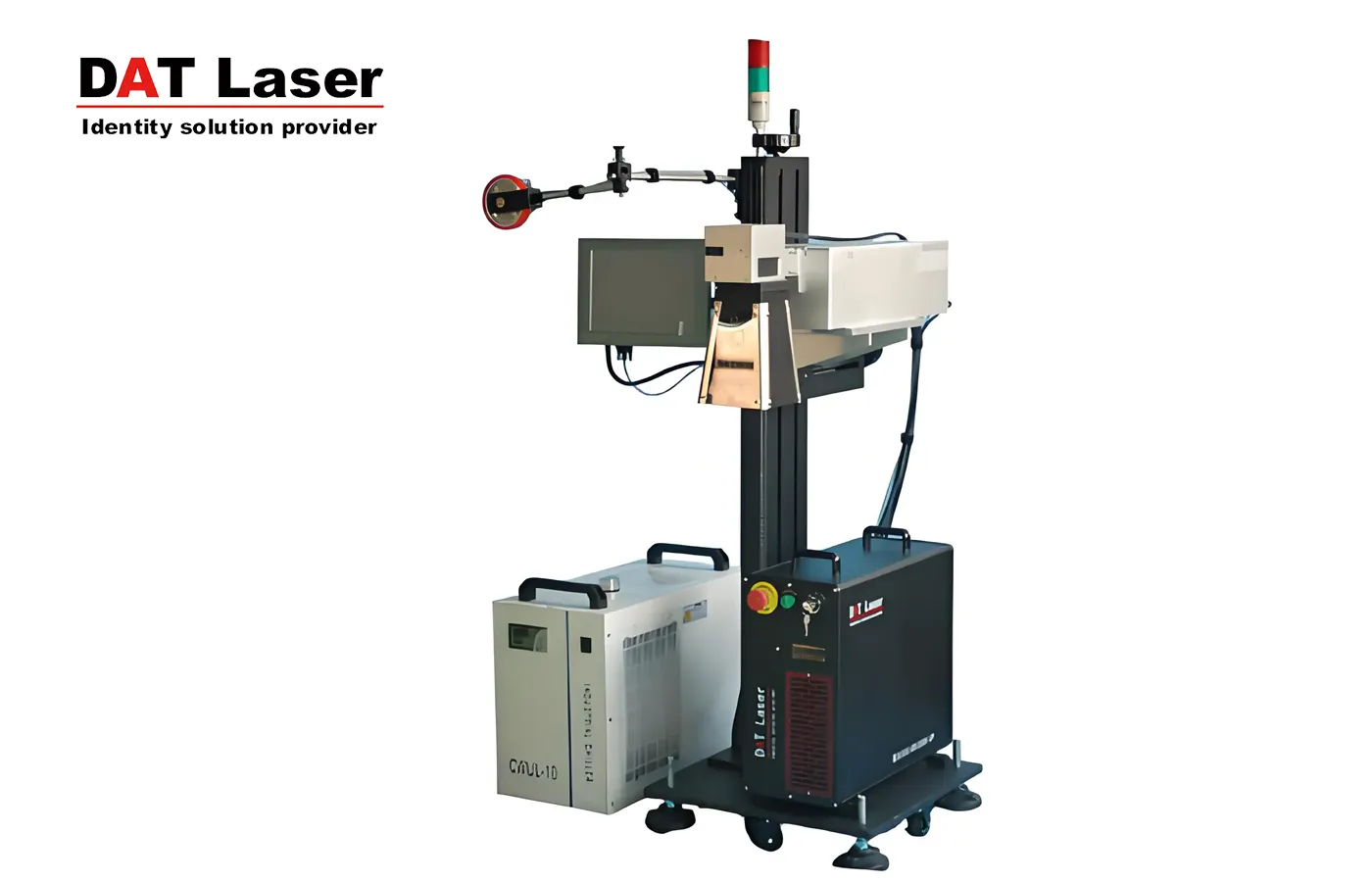
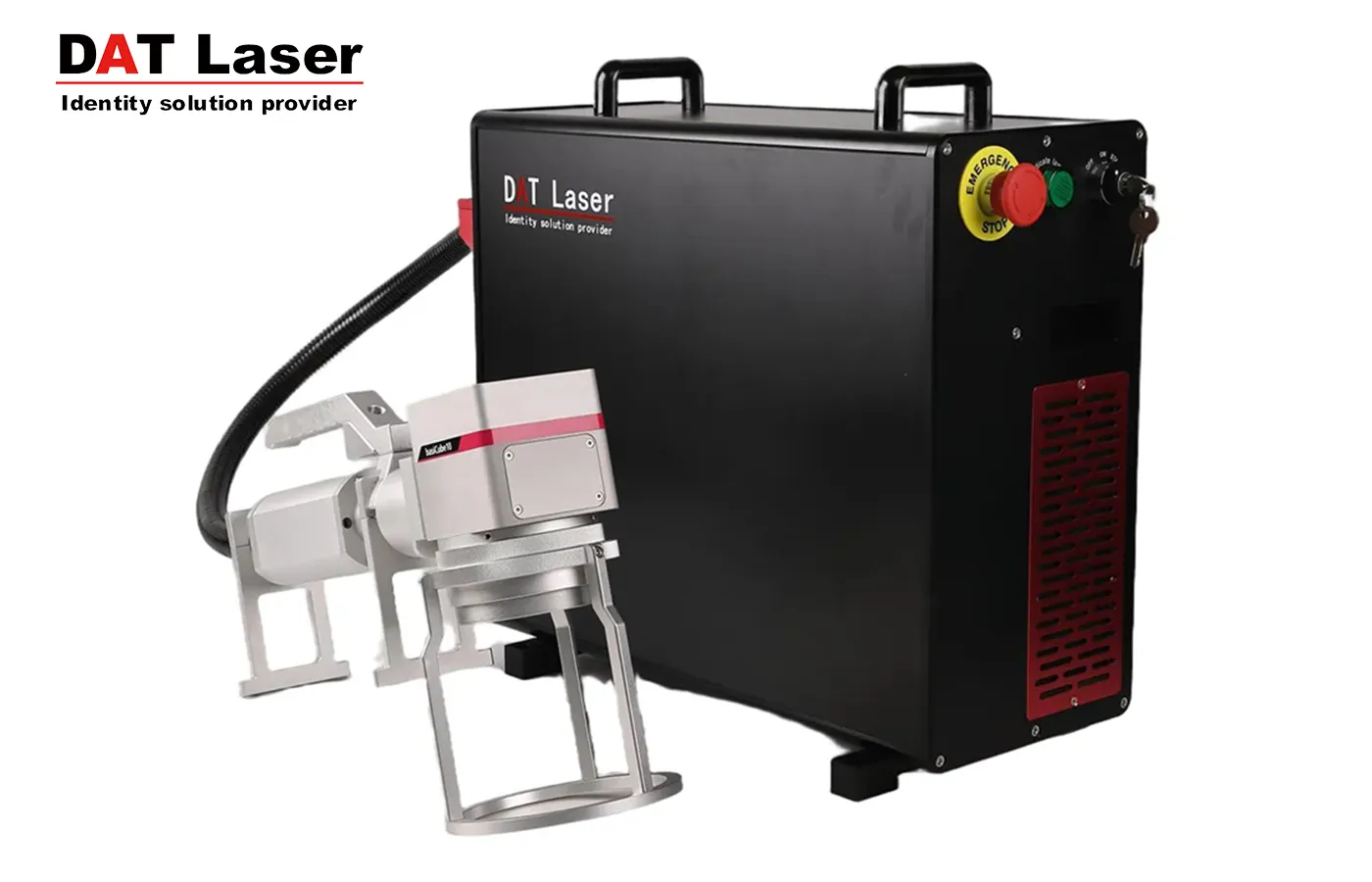
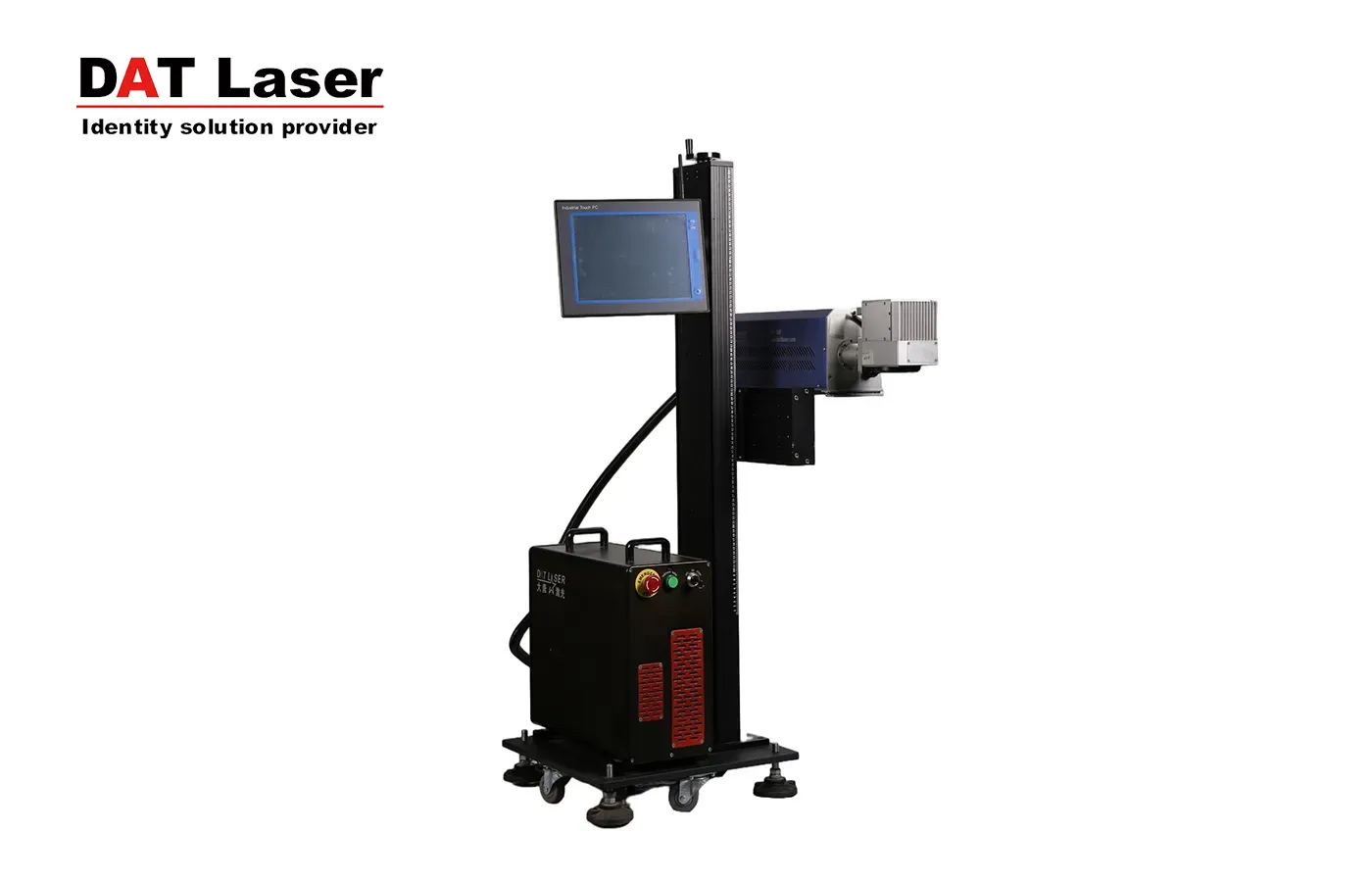
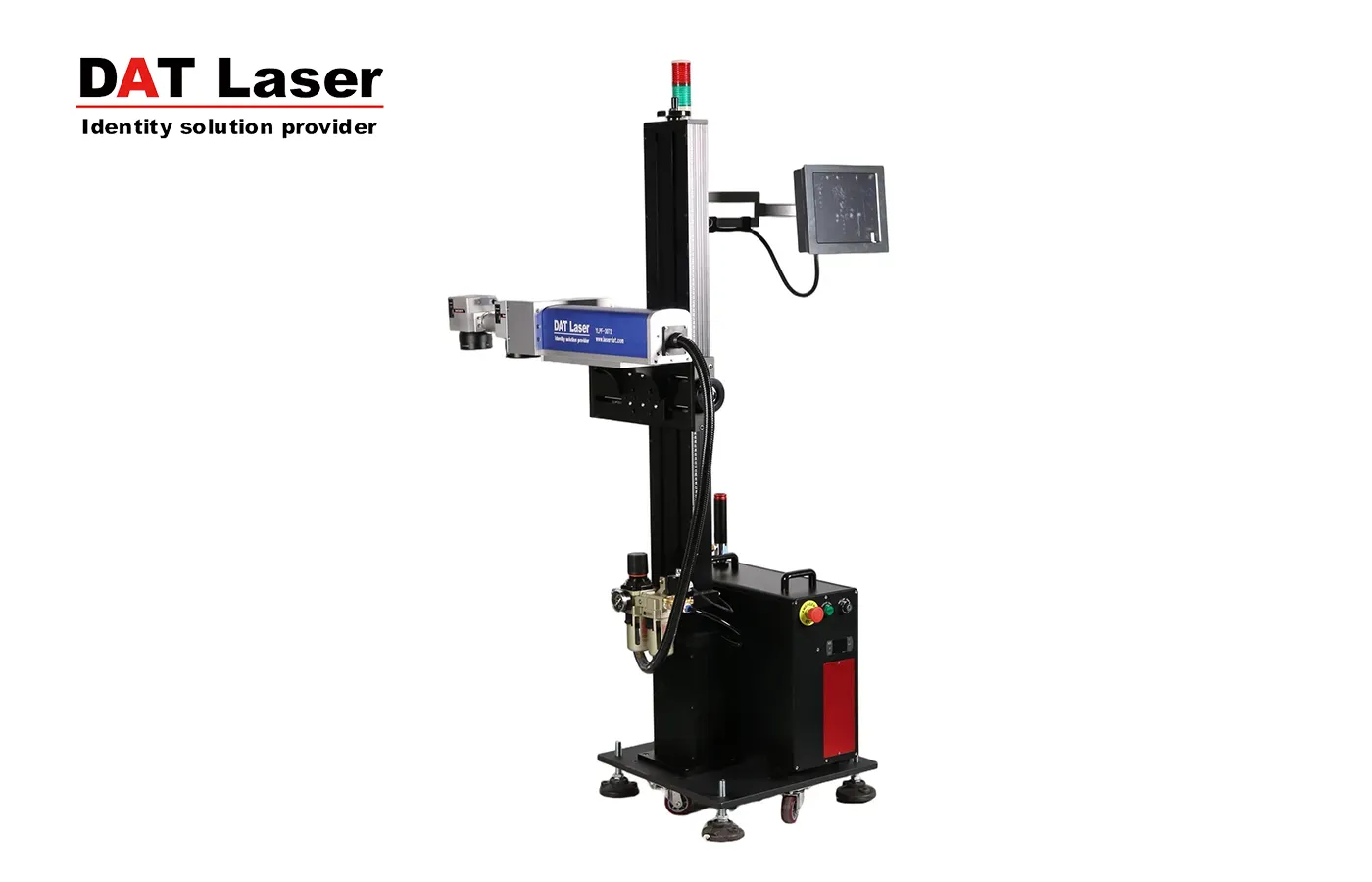
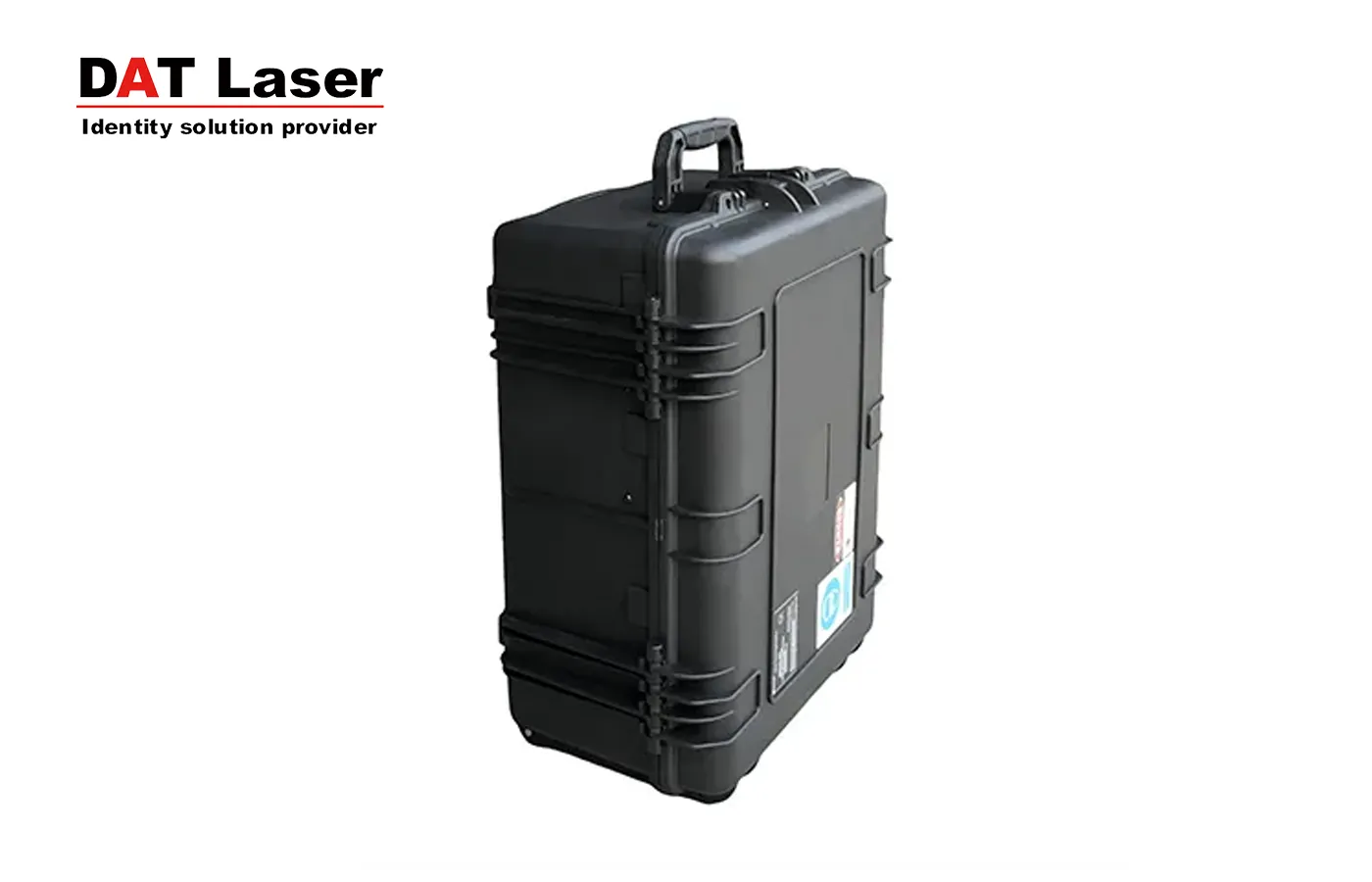
DAT Laser provides multiple fiber laser configurations including desktop, portable, and handheld models.
Key advantages include:
Fiber laser wavelength: 1064 nm
Marking speed up to 7000 mm/s
Repeat positioning accuracy ±0.003 mm
Working area options from 110 × 110 mm to 300 × 300 mm
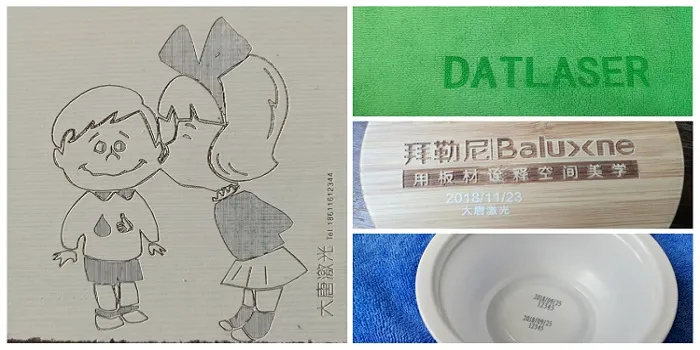
Support for text, logos, barcodes, QR codes, serial numbers, and traceability codes
Long laser source lifespan
Low maintenance and no consumables
Optional integration with automated production lines
These features make DAT Laser systems suitable for industrial traceability, anti-counterfeiting, product identification, and customized marking applications.
Yes. A 20W fiber laser can permanently mark most metals, including stainless steel, aluminum, brass, and coated materials.
For most manufacturers, yes. A 30W machine typically offers the best balance between productivity and investment.
Yes. The advantage becomes more obvious during deep engraving and high-volume production.
For standard marking, 20W or 30W is sufficient. For deep engraving, 50W is recommended.
The 30W fiber laser is currently the most widely selected option because it balances speed, engraving capability, and cost.
The best fiber laser power depends on your production goals.
Choose a 20W fiber laser if you mainly perform surface marking and have a limited budget.
Choose a 30W fiber laser if you need the best balance of speed, performance, and cost.
Choose a 50W fiber laser if your business requires deep engraving, higher throughput, and industrial-scale production.
For most industrial manufacturers, the 30W fiber laser marking machine remains the most practical and cost-effective choice.
How to Choose the Right Laser Marking Machine: A Practical Guide for Manufacturers
Applications of CO2 Laser Technology in Automotive Interiors
How is laser marking technology used in the automotive industry?