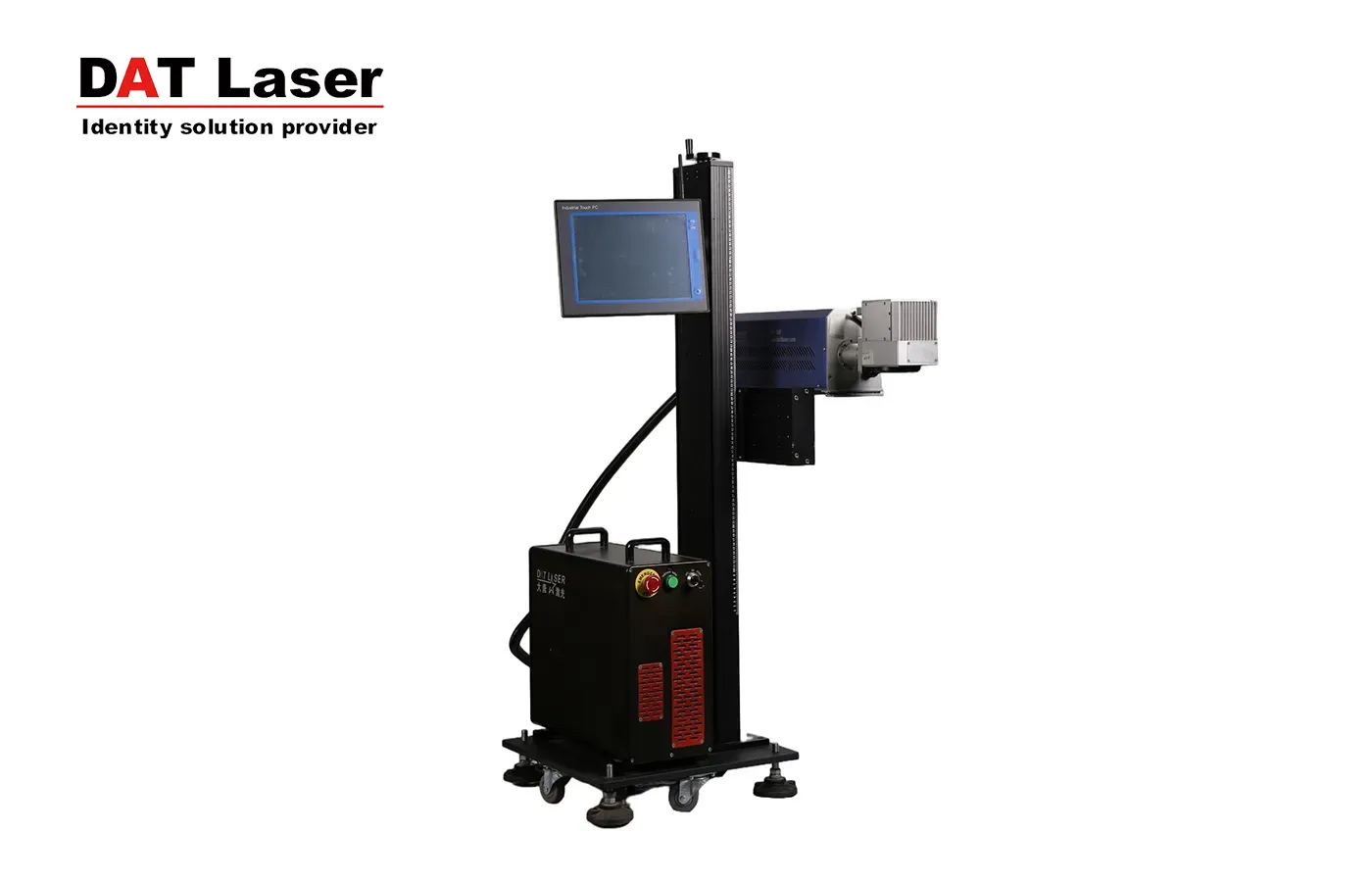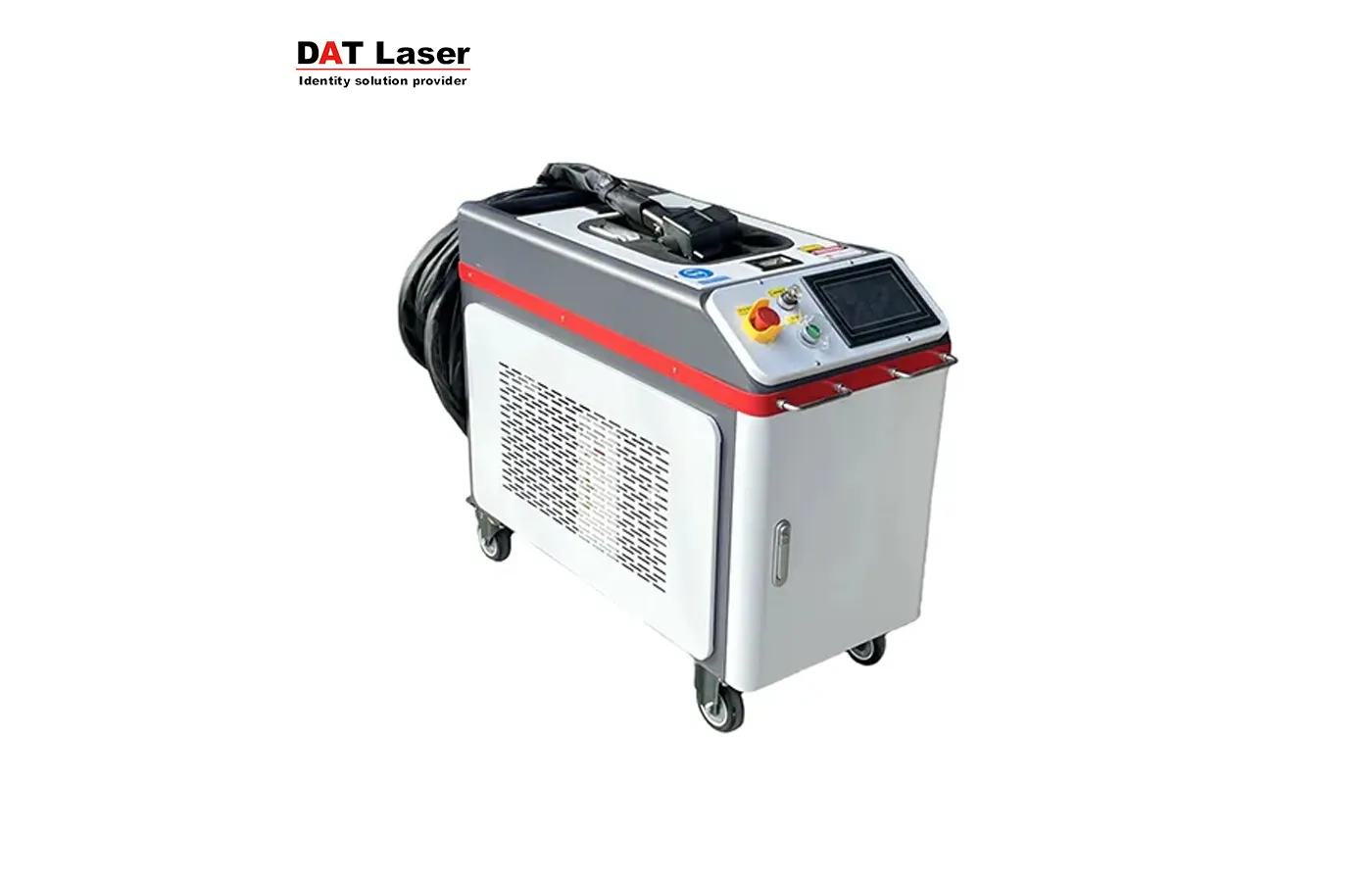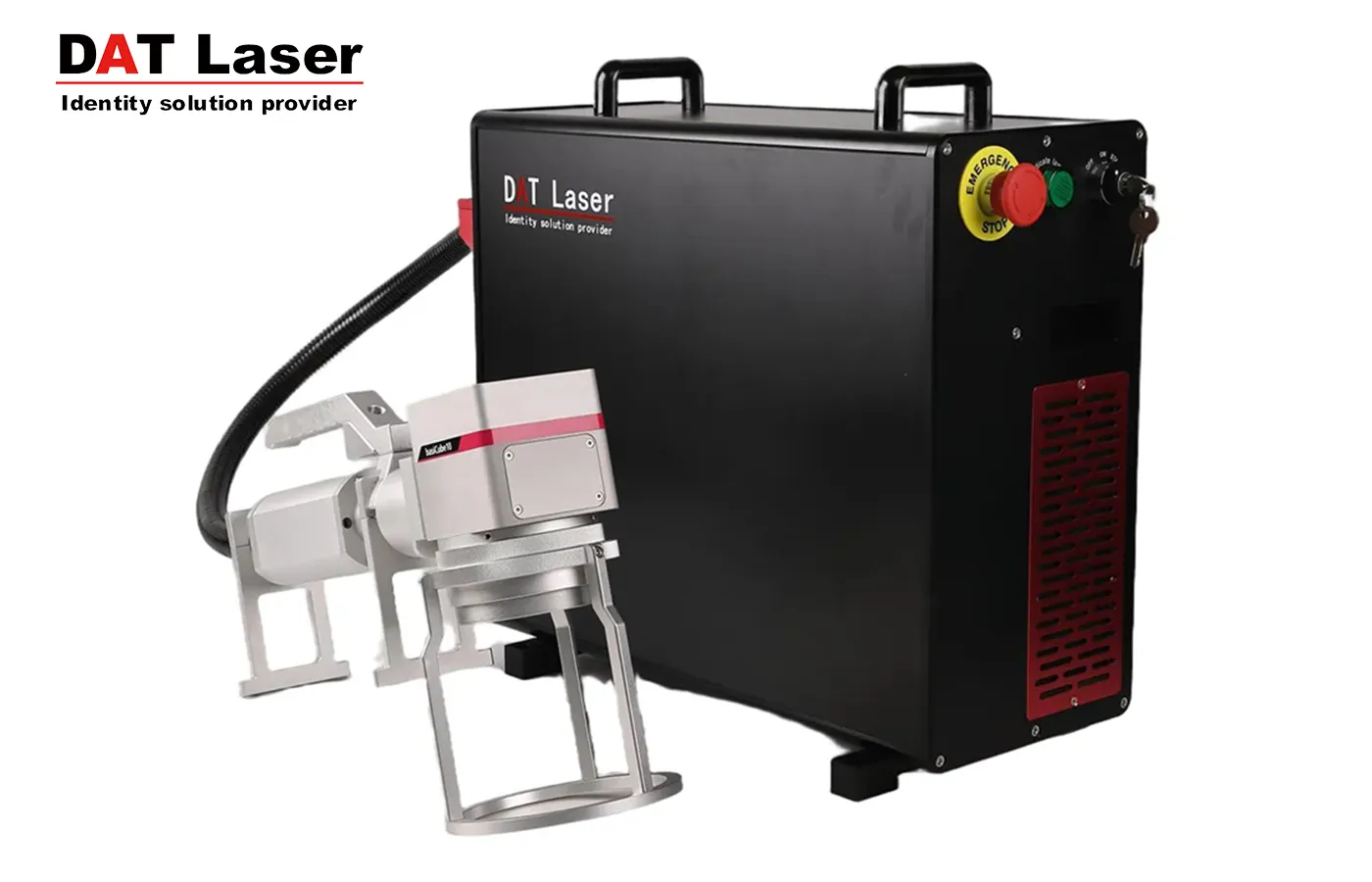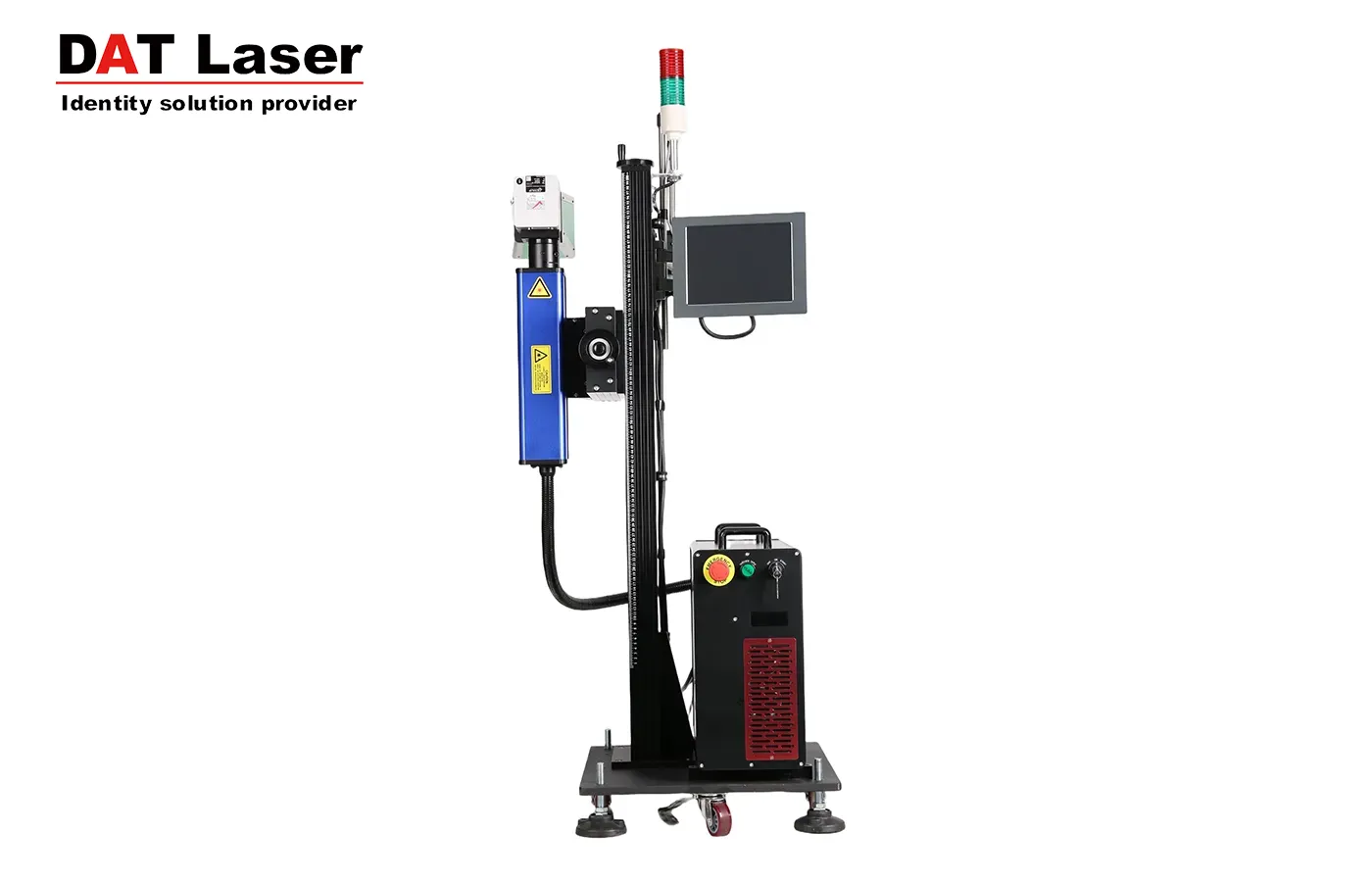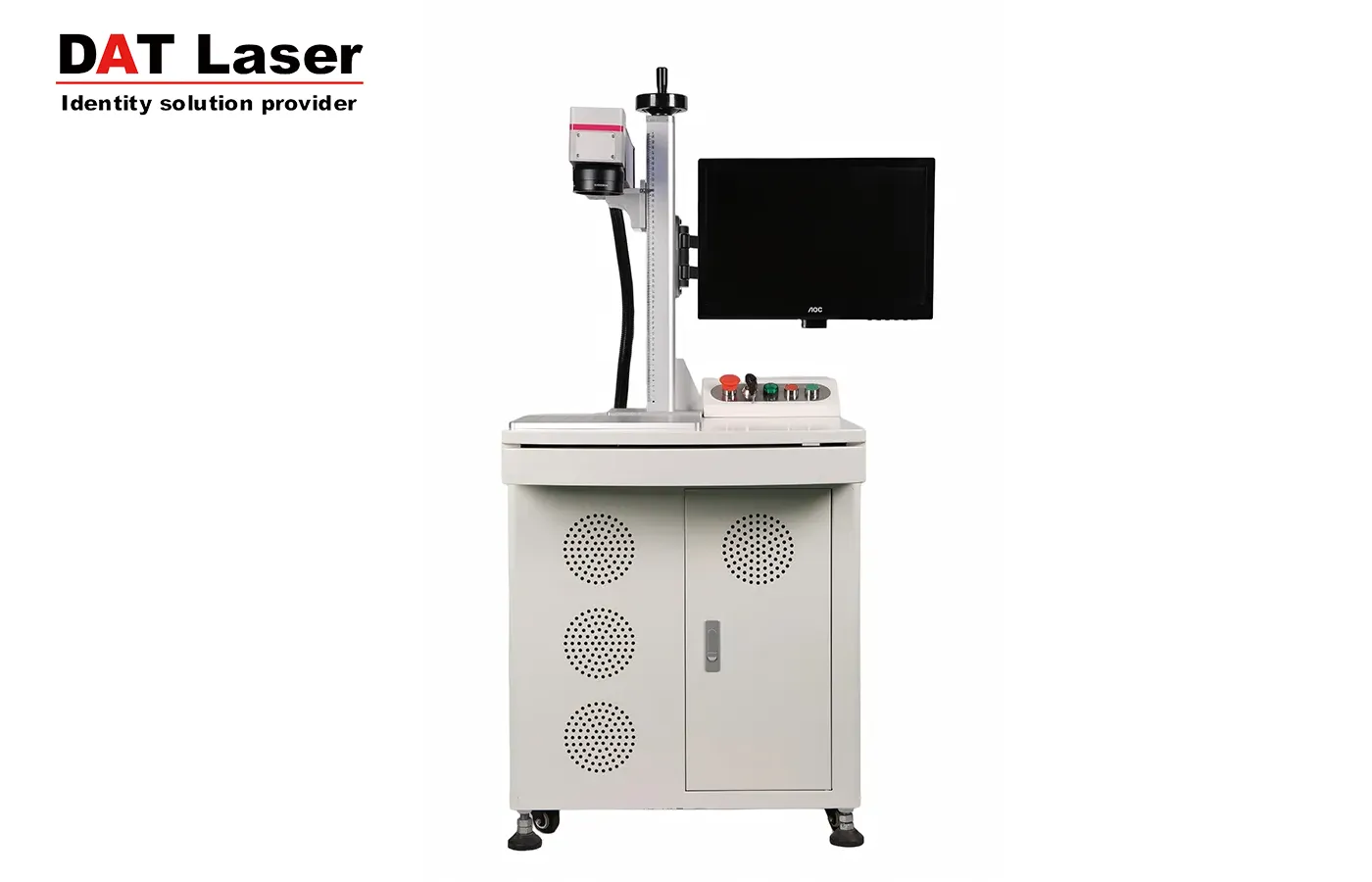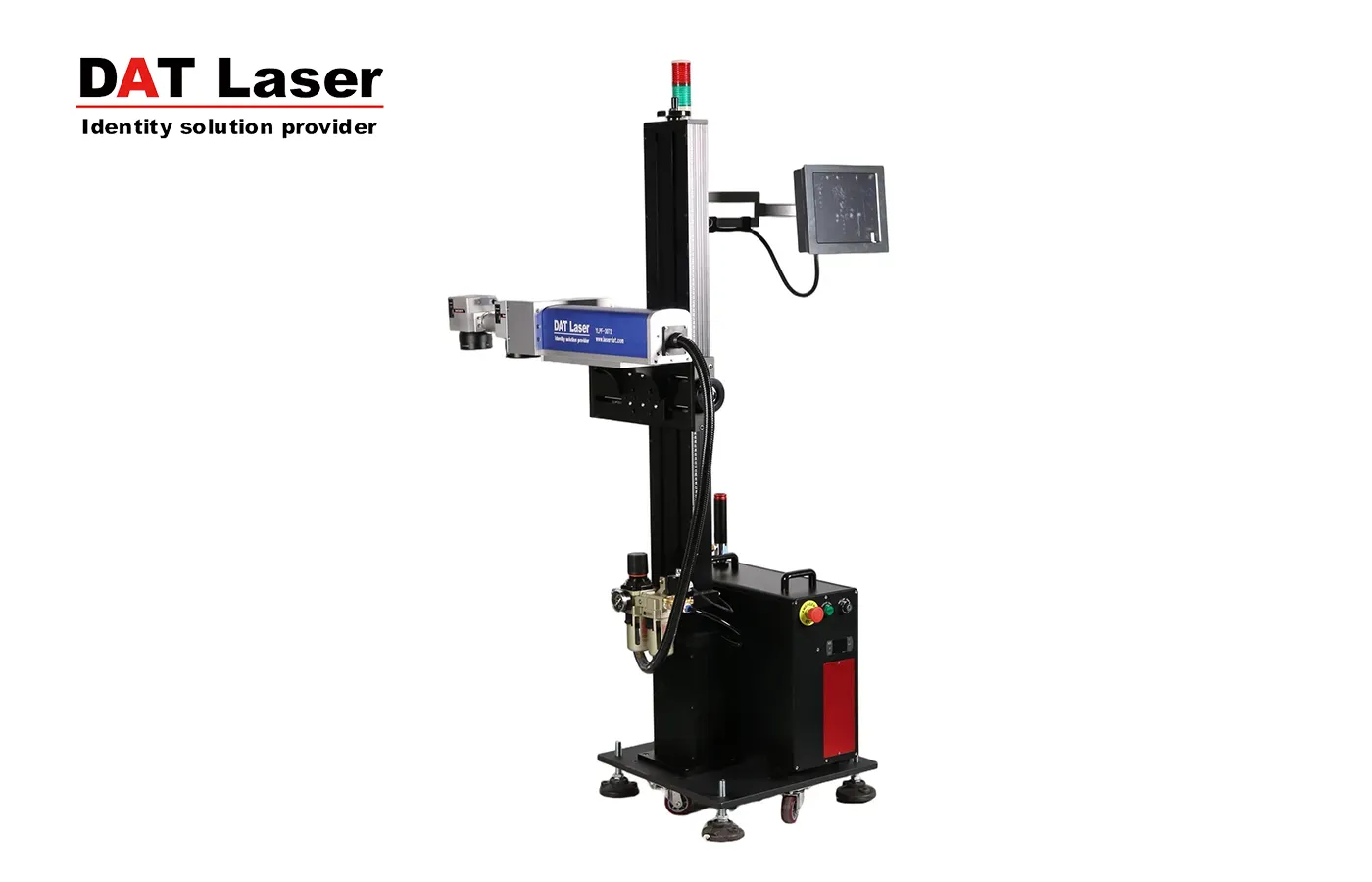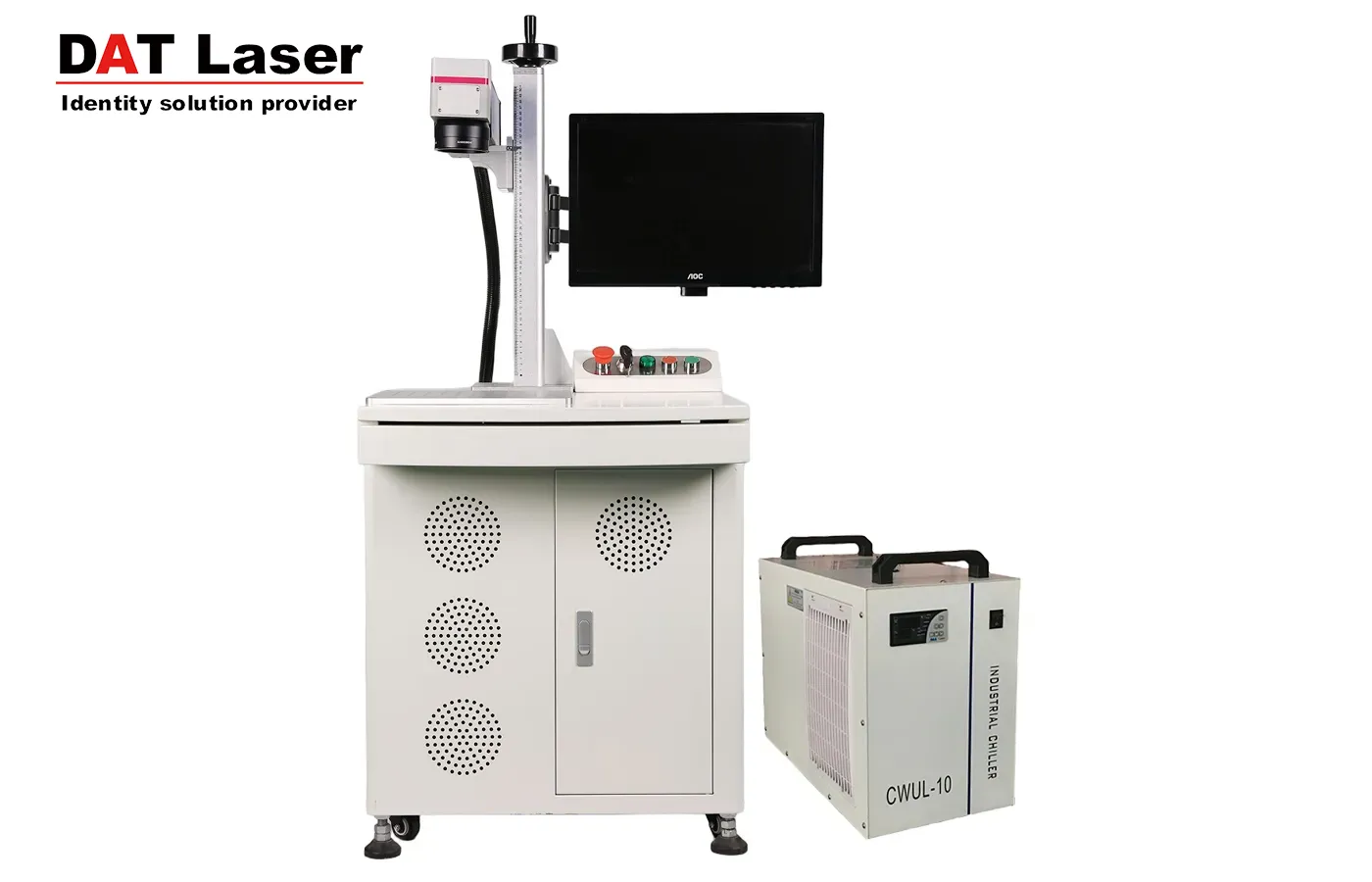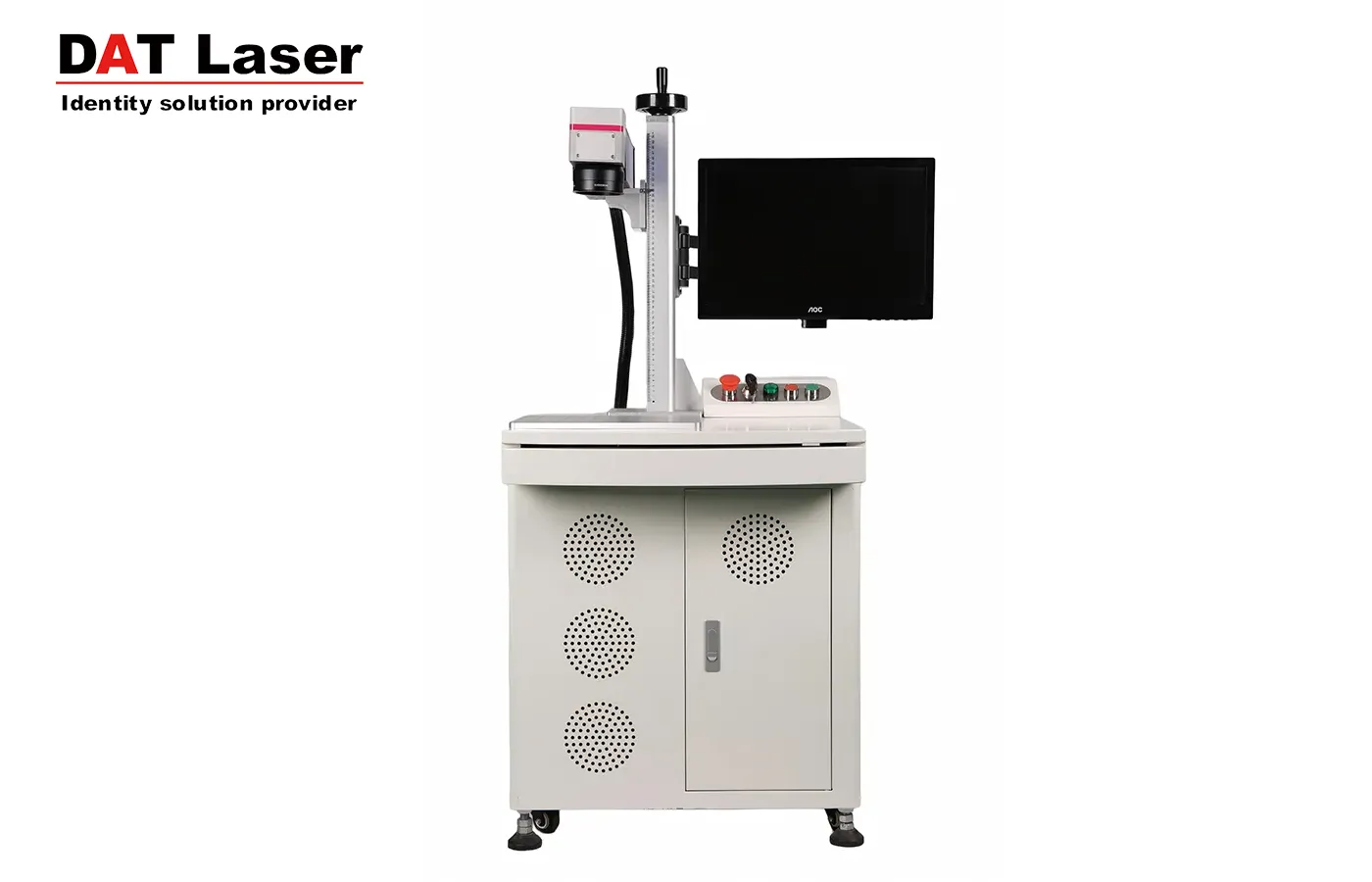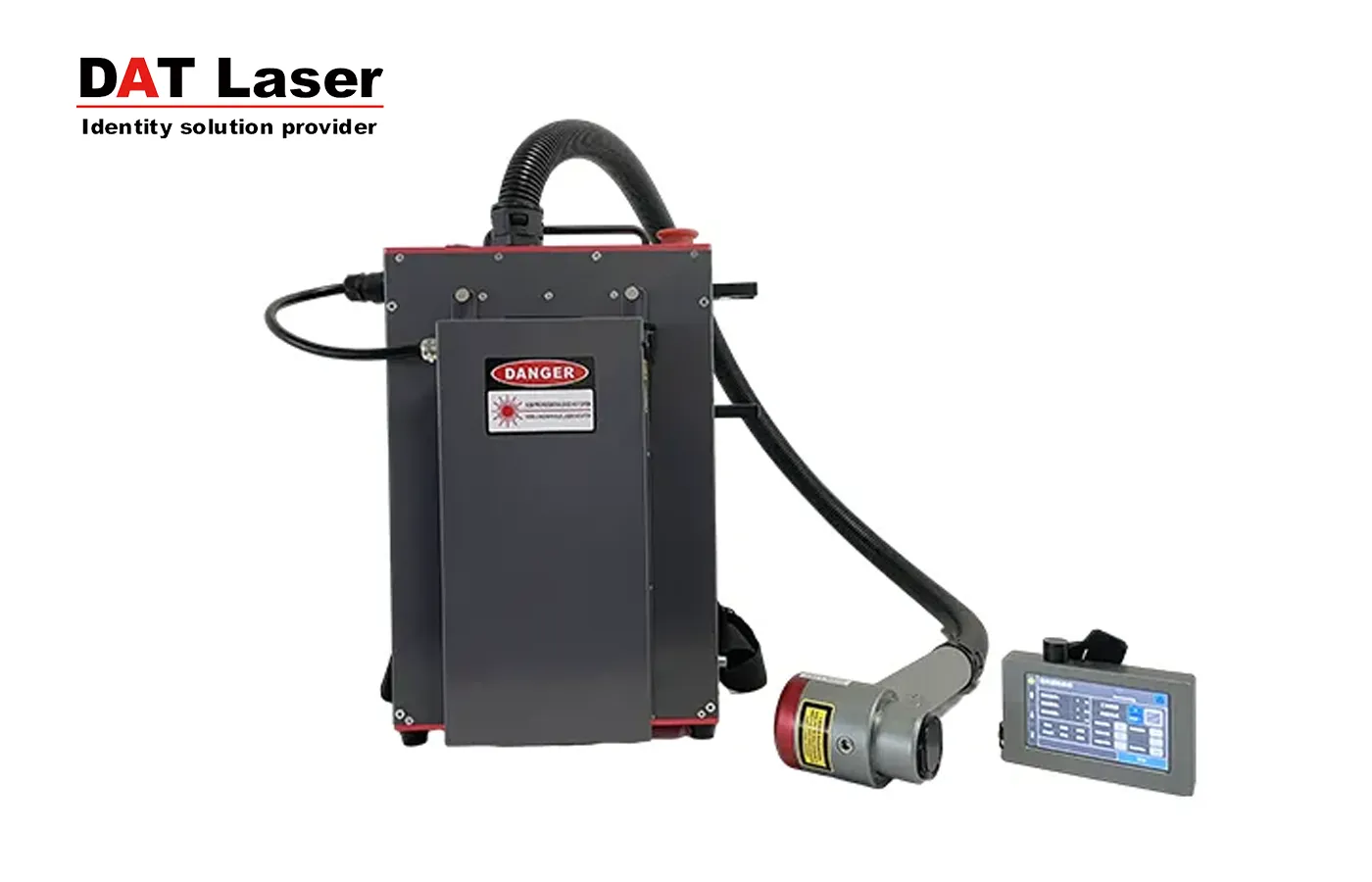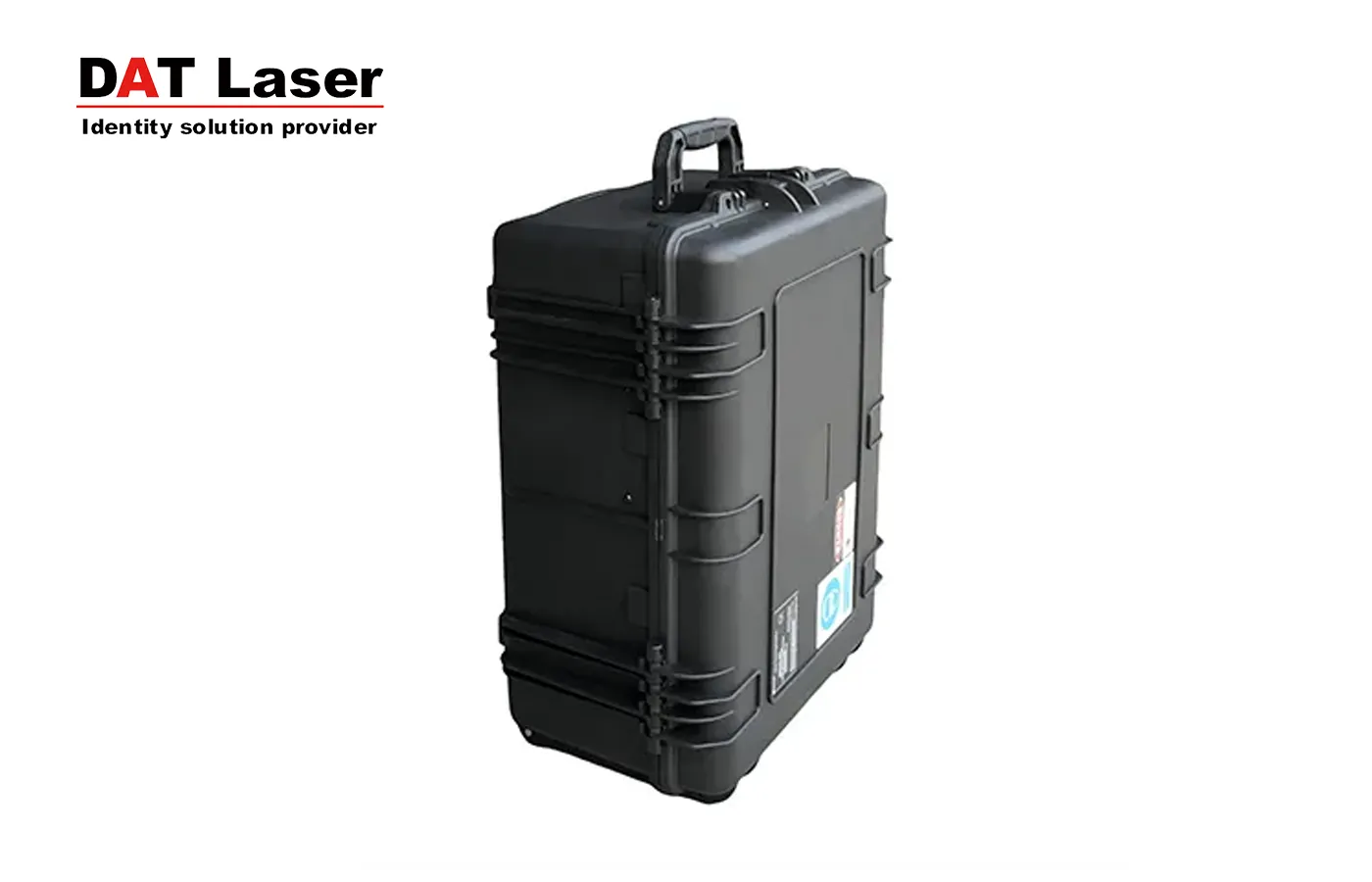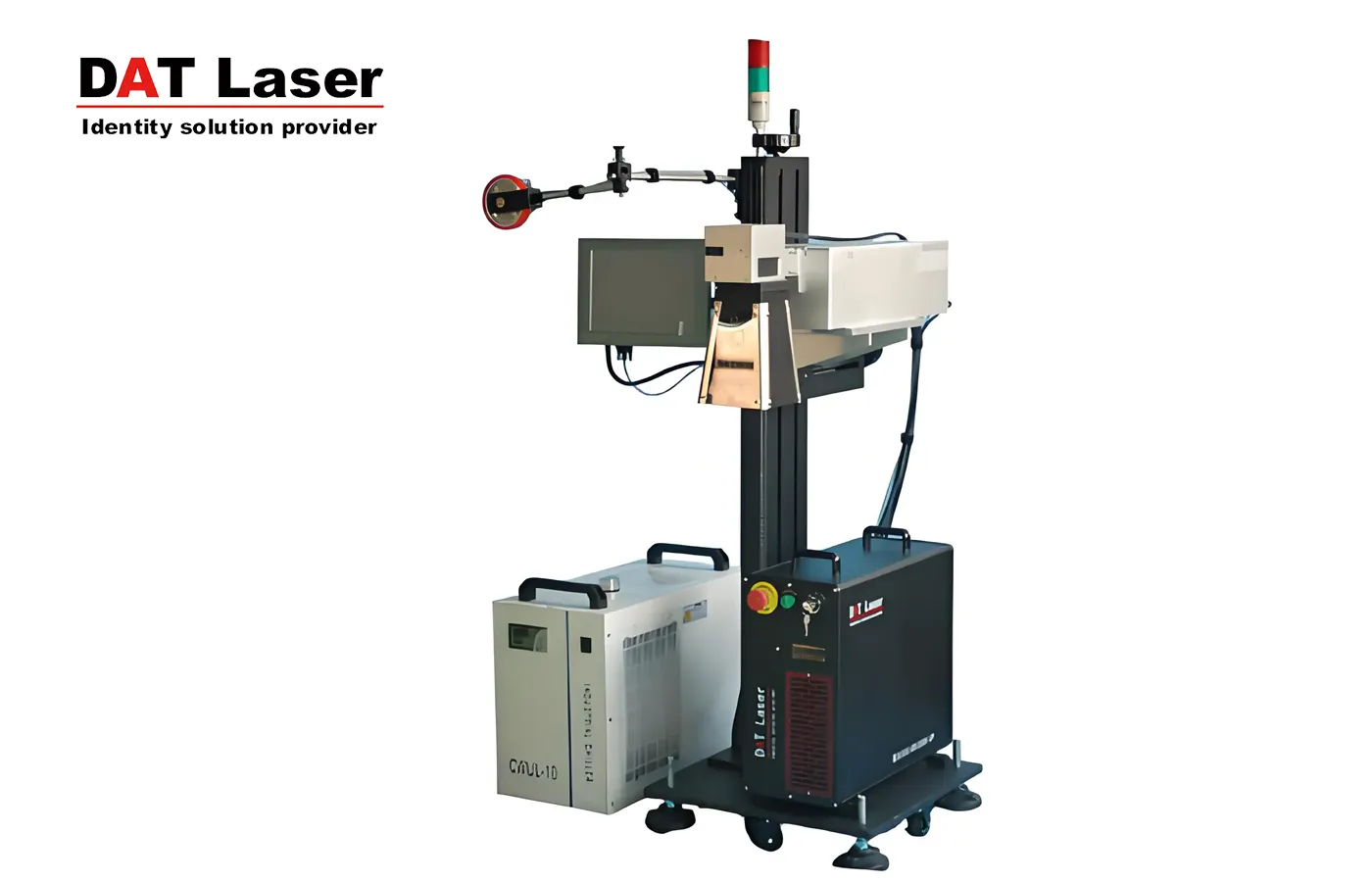
Laser cleaning machines feature precision, non-damage, eco-friendliness, and easy automation, but require high initial investment.
Traditional cleaning methods (sandblasting/chemical/high-pressure water/ultrasonic) are low-cost, mature, and suitable for large-area/rough cleaning, yet they damage base materials, cause severe pollution, and rely heavily on manual labor.
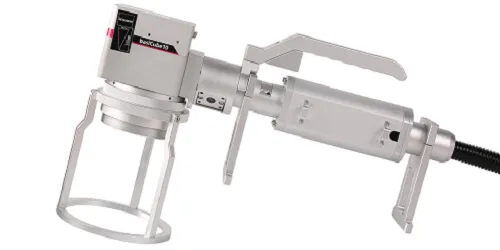
Laser Cleaning: High-energy pulsed laser is focused on the surface, instantly vaporizing/peeling off rust, paint, oil stains, and oxide scales. It is non-contact and consumable-free.
Traditional Cleaning
Sandblasting/Mechanical Polishing: Contaminants are removed via abrasive impact/friction, but the base material gets damaged.
Chemical Cleaning: Acids, alkalis or solvents dissolve contaminants, leading to corrosion and residue.
High-Pressure Water Jetting: High-speed water flow impacts contaminants, consuming large amounts of water and producing sewage.
Ultrasonic Cleaning: Relies on cavitation effect, ideal for precision cleaning of small parts.
1. Non-damaging and Precise: Non-contact operation with a damage rate of less than 0.1%. It enables micron-level positioning, removing only contaminants without harming the base material, making it suitable for precision molds, blades, and electronic components.
2. Eco-friendly: No chemical agents, wastewater, exhaust gas or solid waste are generated; only a small amount of dust that is easy to collect. Hazardous waste is reduced by over 2 tons annually.
3. Low Operating Cost: Only electricity consumption (1–3 kWh/hour) with no consumables. The cleaning cost is approximately 0.4 RMB per square meter, cutting overall costs by over 40%.
4. Wide Compatibility & Adaptable to Complex Shapes: Works on metals, ceramics, glass, and plastics. It easily covers curved surfaces, deep holes, and micropores, supporting 3D dynamic focusing.
5. Strong Automation: Can be linked with PLC and integrated with robots, featuring online monitoring and suiting continuous production lines.
1. High Initial Investment: High equipment costs, unaffordable for small enterprises.
2. Efficiency Limitation: Fine cleaning achieves about 1 square meter per hour, unsuitable for large-area low-value parts.
3. Material Restrictions: Low efficiency on highly reflective metals (copper/aluminum); multiple passes are required for extremely thick coatings/deep oil stains.
4. Technical Barriers: Professional training is needed for parameter adjustment; optical components require regular maintenance.
Low Cost: Equipment costs range from several thousand to tens of thousands of RMB, ready for immediate use.
Mature and Reliable: Stable process, suitable for mass, large-area rough cleaning.
Efficient for Heavy Contamination: Sandblasting/high-pressure water jetting removes heavy rust and paint faster.
Base Material Damage: Mechanical polishing causes a wear rate of over 15%, resulting in rough surfaces and scratches.
Severe Pollution: Chemical cleaning produces acid-base wastewater (treatment cost: 50–200 RMB per ton); sandblasting generates carcinogenic dust; high-pressure water jetting consumes water and produces hard-to-treat sewage.
High Long-Term Cost: Consumables (abrasives/chemicals/cleaning fluid) plus labor and waste treatment lead to annual costs accounting for 30%–50% of the equipment price.
Poor Precision: Difficult to control the cleaning area, prone to over-cleaning/under-cleaning; many blind spots on complex-shaped workpieces.
Choose Laser Cleaning: Precision molds, aviation blades, battery tabs, electronic components, cultural relic restoration, medical equipment, food machinery (residue-free cleaning).
Choose Traditional Cleaning: Large steel structures, ship rust removal, pipeline inner walls, building exterior walls, mass-produced low-value parts.
Laser cleaning is a high-end solution with precision, eco-friendliness, and low long-term costs, ideal for high-value, high-precision, and environmentally stringent scenarios.
Traditional cleaning is a mature solution with low upfront cost and high rough cleaning efficiency, suitable for large-area, heavy-contamination, and low-value scenarios.
Trend: Tightening environmental regulations and manufacturing upgrading will drive laser cleaning to gradually replace traditional methods in high-end applications, while traditional cleaning will remain dominant in low-end rough cleaning.