Cars have become an essential means of transportation for most families, and consumers often prioritize safety when purchasing one. Those with more refined tastes, however, place even greater emphasis on the car's exterior design.
Car designers, on the other hand, consider many more factors. While safety and aesthetics are paramount, as businesspeople, they also need to consider manufacturing costs and component availability.
However, today, the advent of laser technology has significantly reduced these burdens for car designers. Laser technology has been vividly demonstrated in the automotive industry, exerting a profound impact on the sector.
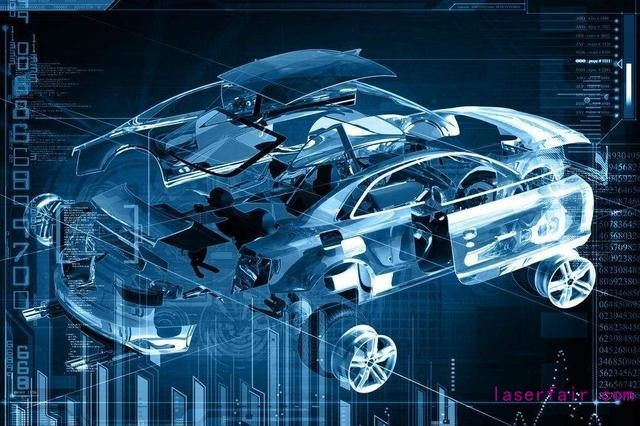
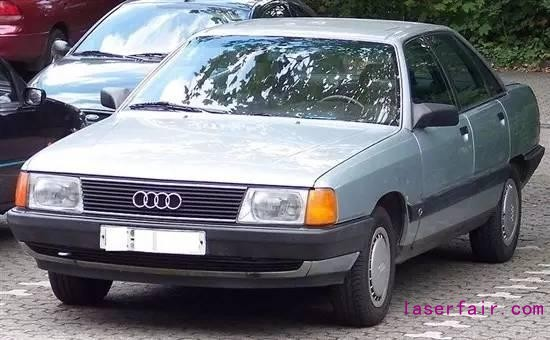
The Impact of Laser Technology on the Automotive Industry In the late 1980s, laser technology began to collide with the automotive industry, with European automakers such as Audi and Mercedes-Benz pioneering the use of laser welding for sheet metal components such as roofs, bodies, and side frames. By the 1990s, American companies like General Motors, Ford, and Chrysler had already introduced laser technology into their automotive manufacturing processes.
In today's rapidly advancing technological era, reform in the automotive industry is imperative. The automotive parts industry is transitioning from mass production to small-batch, diversified production methods.
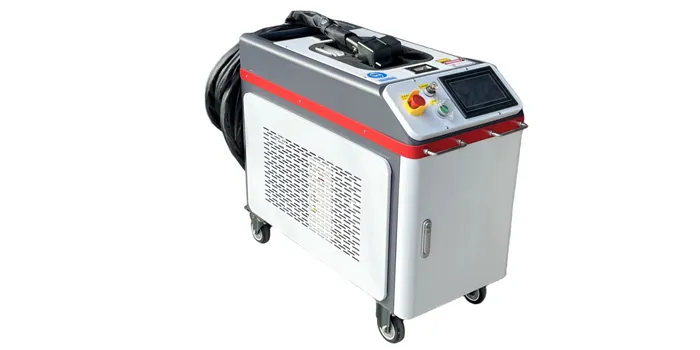
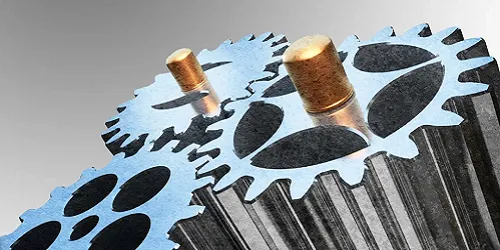
Laser technology can quickly adapt to various materials and sizes, playing a crucial role in marking, cutting, and other fields.
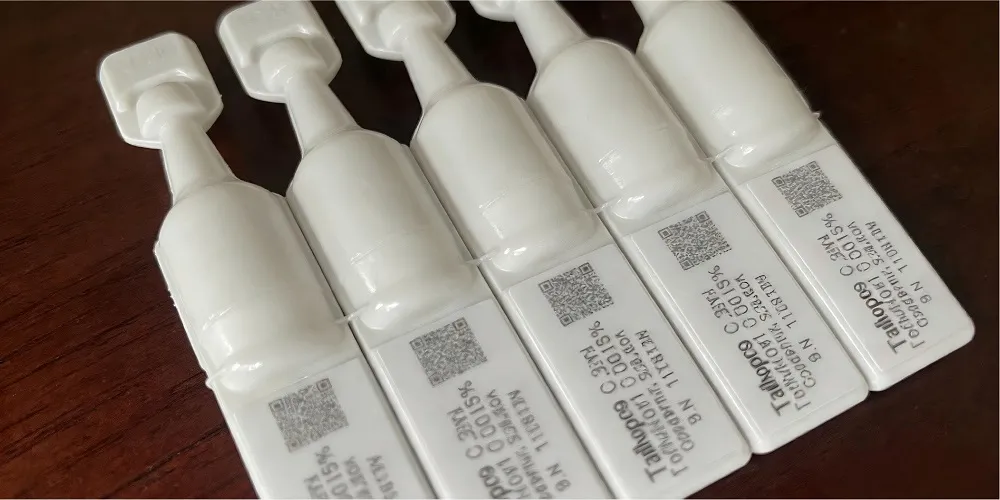
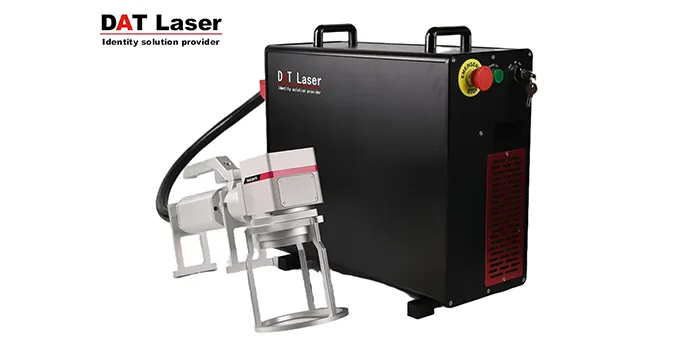
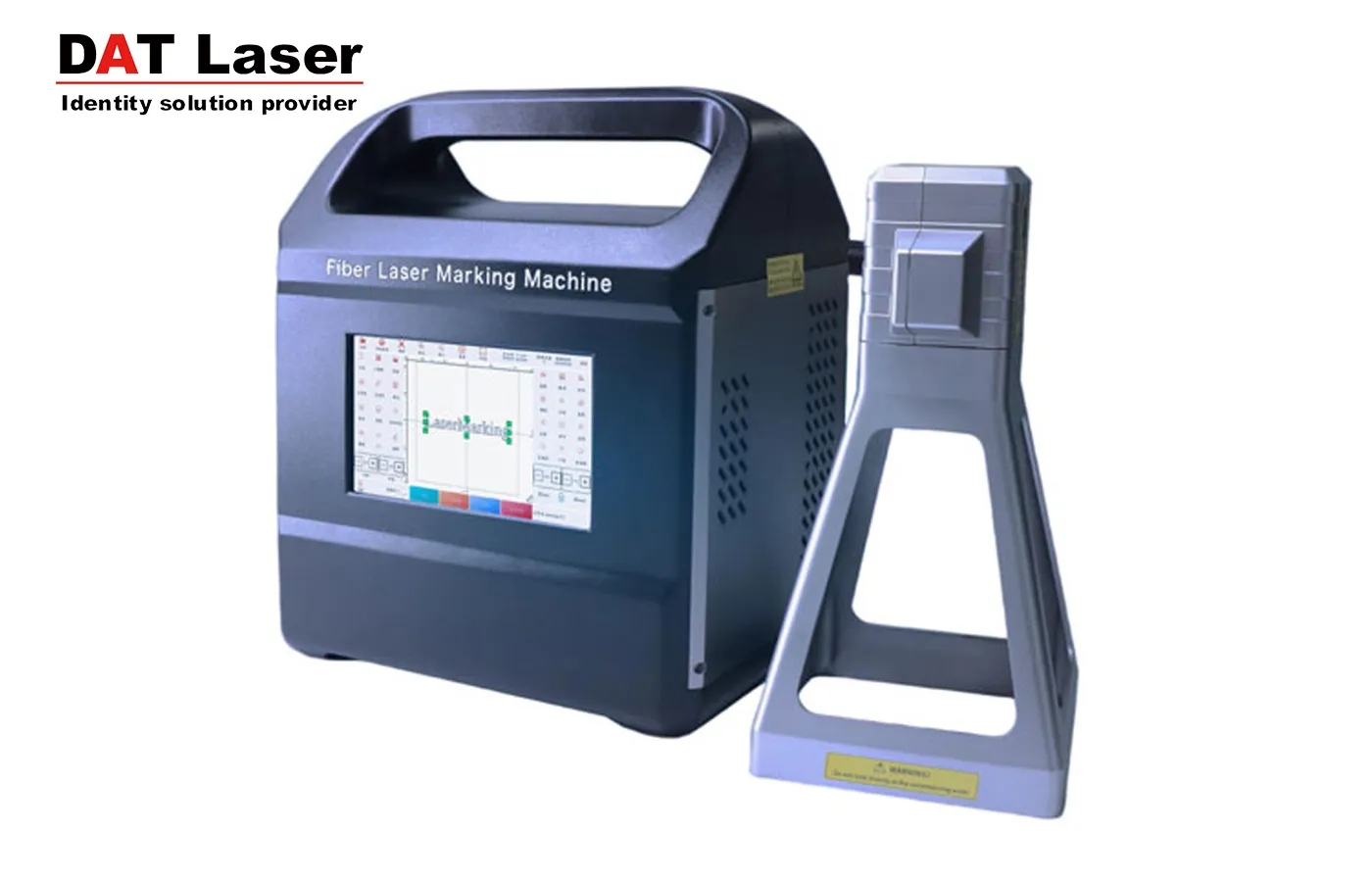
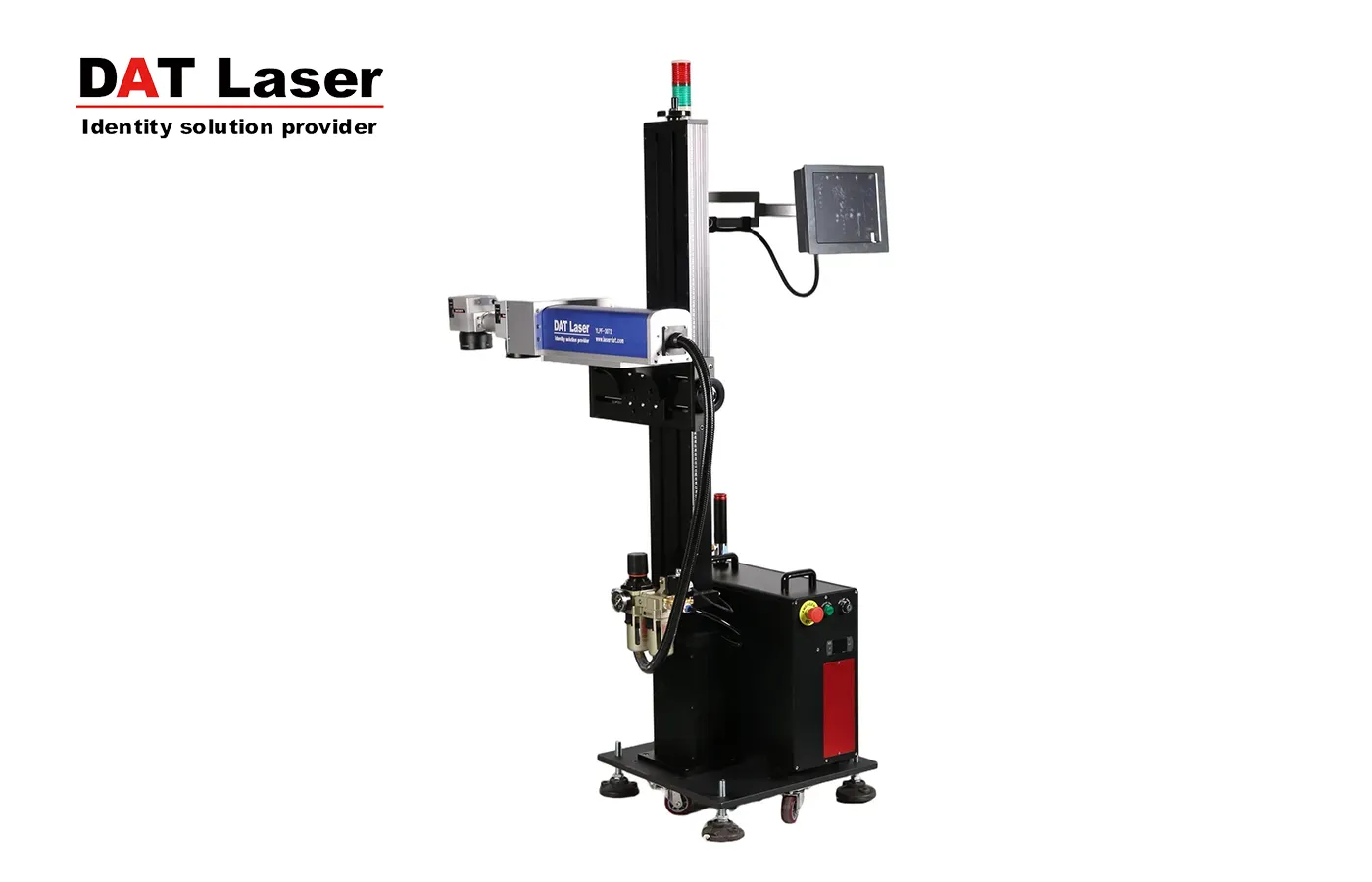
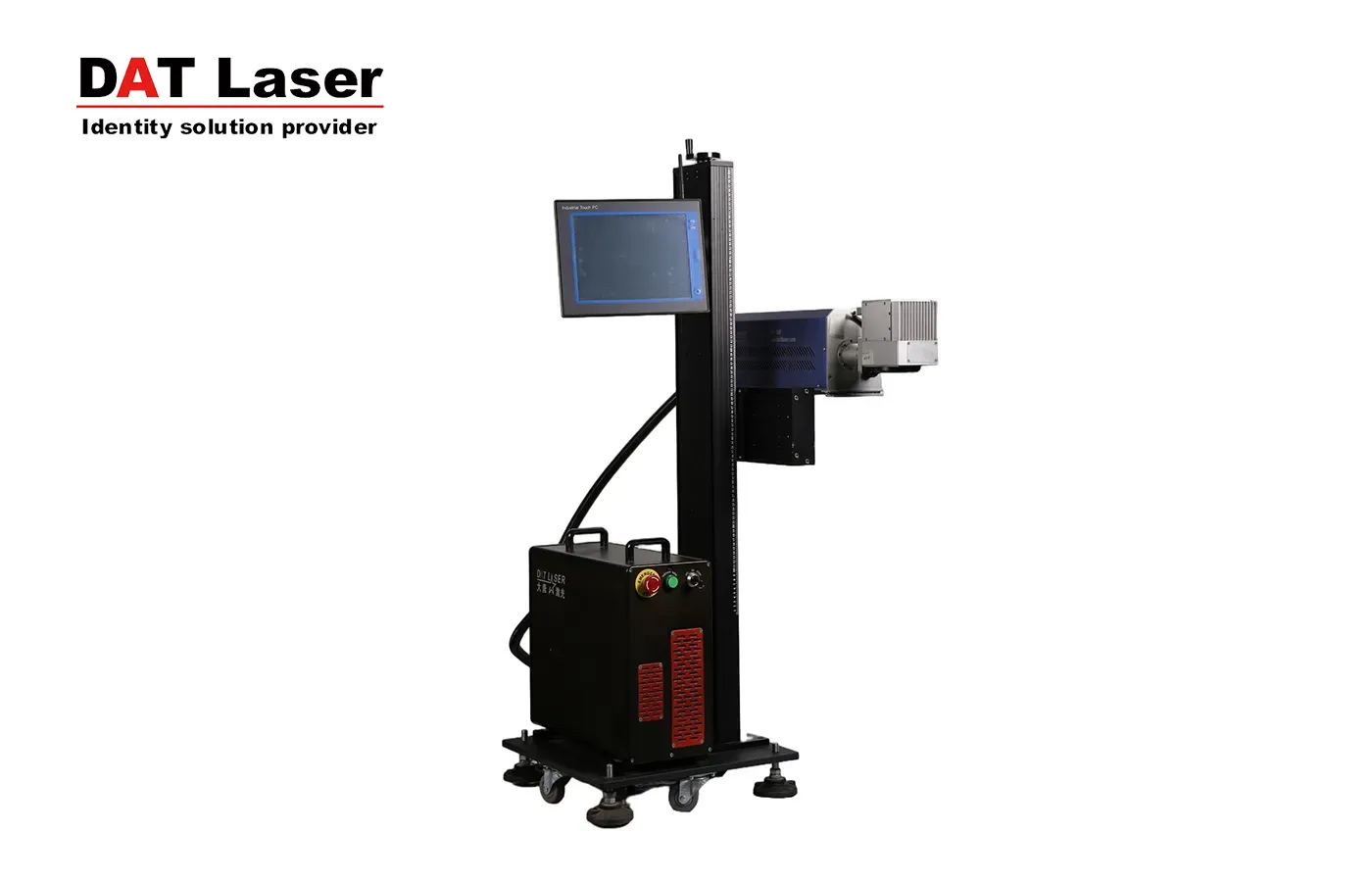
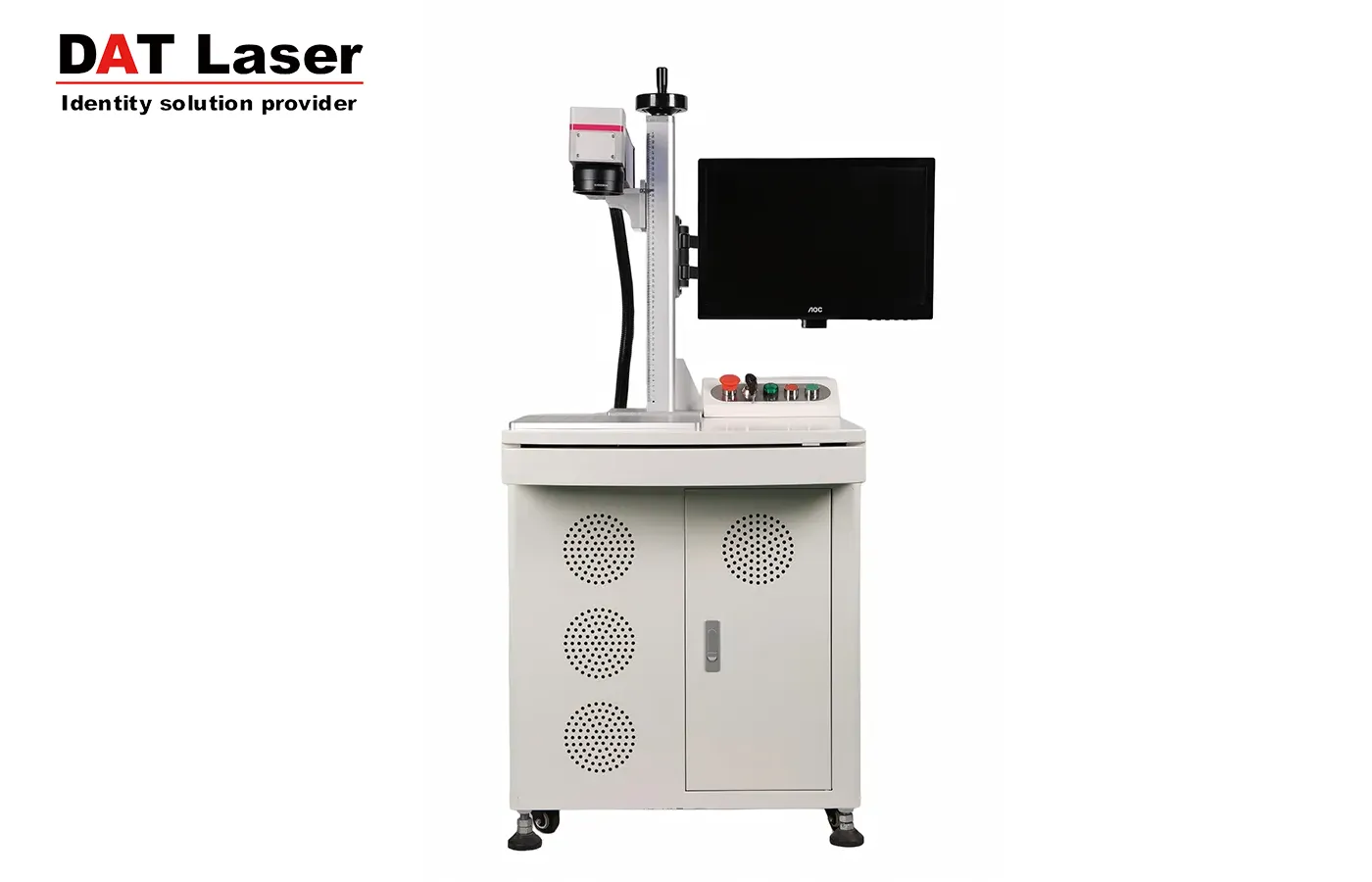
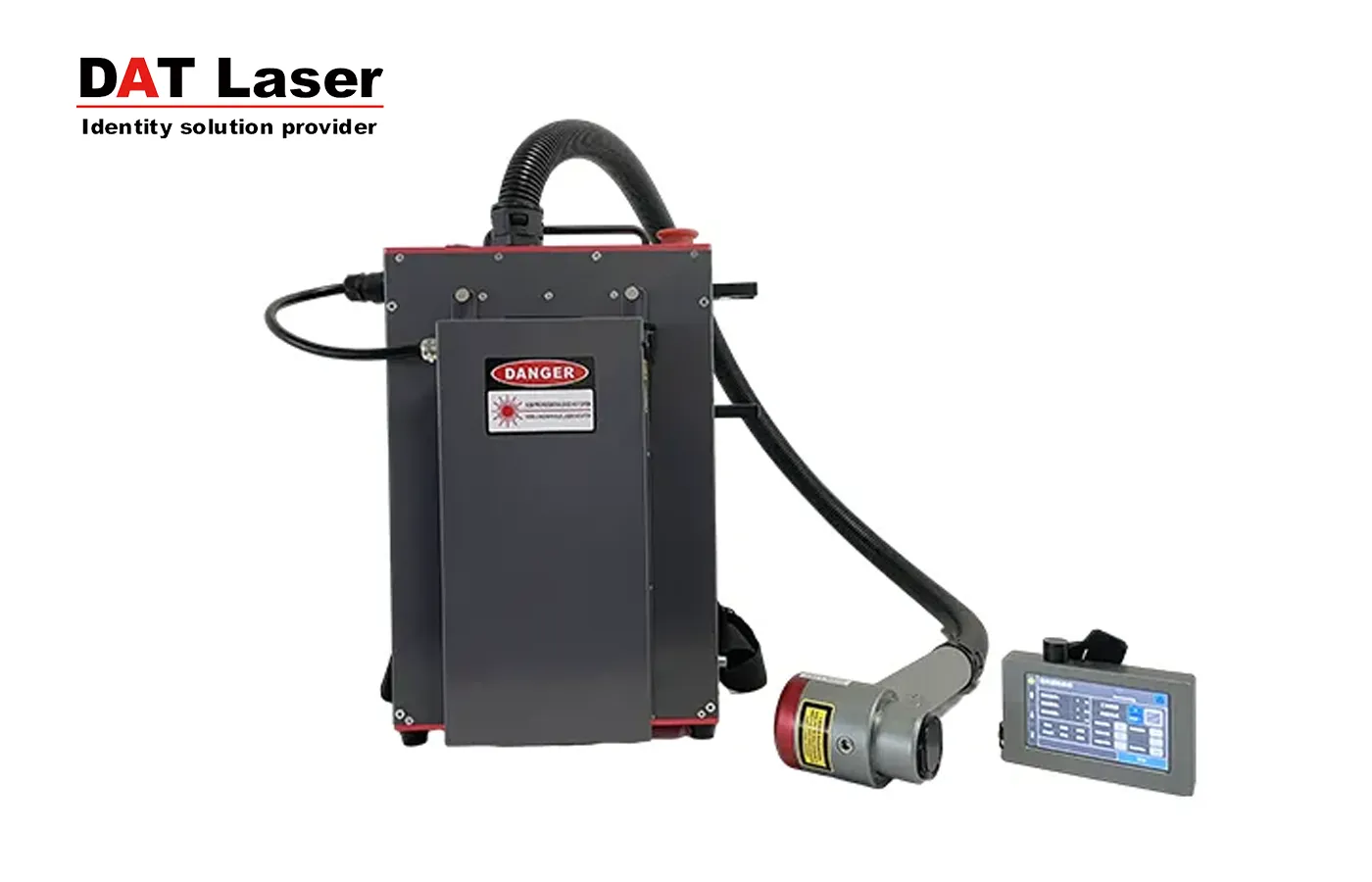
In the automotive sector, laser marking technology plays a vital role in both metal and non-metal parts, such as for car labels and nameplates.
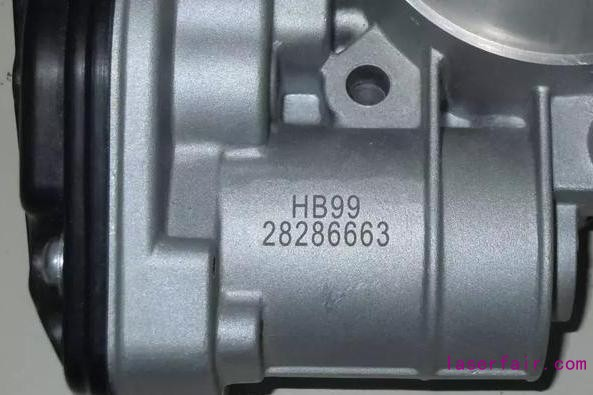
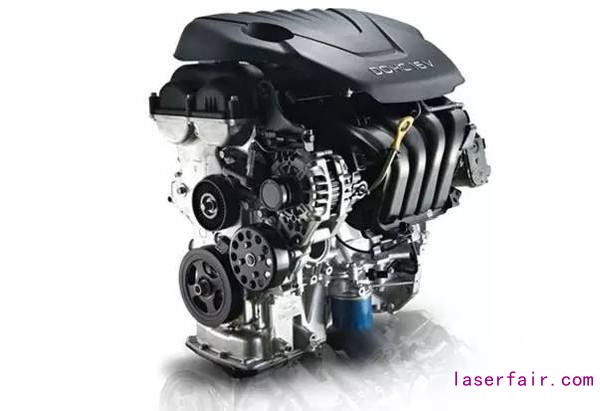
*Engine marking
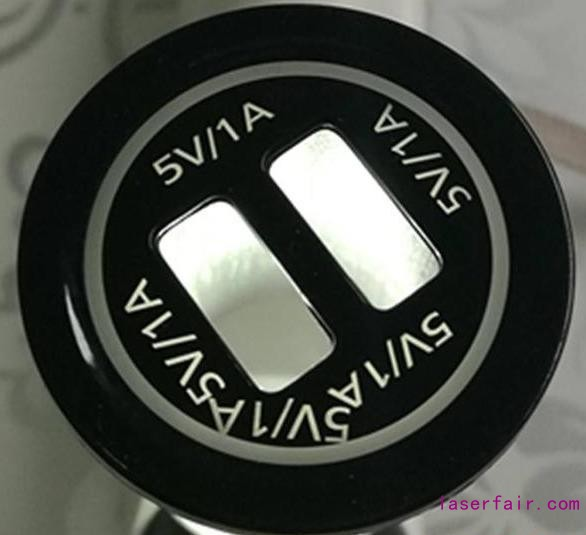
*Marking of translucent buttons
Laser marking is permanent. Markings produced by lasers are unaffected by time or environment, and the marking effect is impossible to imitate or surpass, providing strong anti-counterfeiting capabilities.
Laser marking is a non-contact process. The energy carrier of laser marking is a beam of light with a highly consistent wavelength. Its advantage is that it does not generate any mechanical stress on the surface of the object being processed.
It has no impact on the mechanical properties of the material itself, and there is no problem with chemical pollution or noise pollution.
Laser marking technology is highly adaptable. It can mark most metallic or non-metallic materials and supports various QR code technologies and file formats generated by various graphics software. It is incredibly versatile. Even if products are updated, the laser equipment can continue to be used without further investment.
The marking effect is extremely precise. The diameter of the focused laser spot can be as small as 0.01 mm or even smaller.
The operating cost is low. While the purchase price of laser equipment may be higher than traditional marking equipment, laser marking is fast, consumes little energy, is easy to automate, and requires no general consumables. In terms of operating costs and overall benefits, it has an absolute advantage.
Reprinted from https://www.laserfair.com/jiguangyingyong/202007/15/656.html