Carpets are one of the oldest forms of decorative craftsmanship, widely used in residential spaces, hotels, exhibition halls, vehicles, and other environments. Beyond aesthetics, carpets also deliver outstanding performance in noise reduction, thermal insulation, and anti-slip functionality.
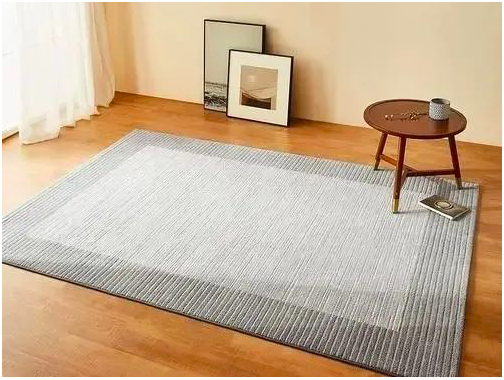
With the rapid growth of personalized and commercial customization demands, traditional carpet manufacturing methods are no longer sufficient. Complex patterns and textures often lead to high production costs and design limitations. Today, in industrial carpets, commercial carpets, and home carpets, laser processing technology has been introduced and combined with traditional craftsmanship to perfectly achieve intricate jacquard-like patterns and textures.
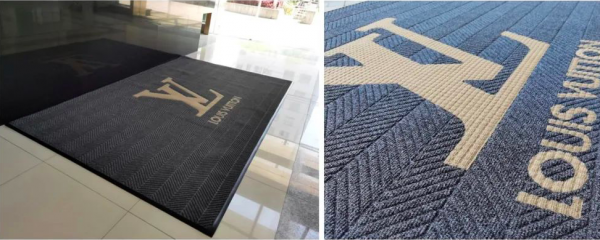
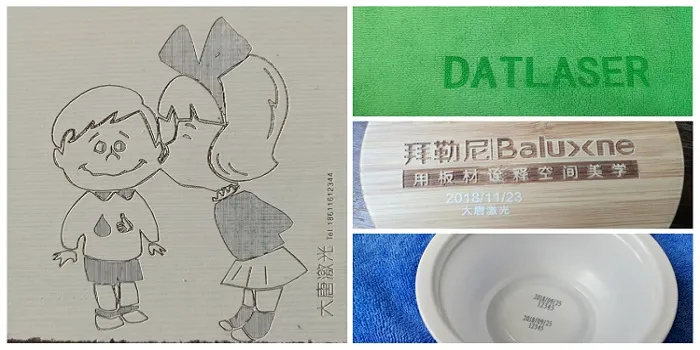
Traditional carpet patterning relies on methods such as hand weaving, mold embossing, needle embroidery, and pigment printing. In contrast, laser processing uses high-energy laser beams to precisely focus on the carpet surface, instantly melting or vaporizing surface fibers. By accurately controlling the laser engraving path according to digital designs, customized relief and jacquard effects can be achieved with exceptional consistency.
Laser technology provides carpet designers with unlimited creative freedom, enabling seamless transitions between classic aesthetics and modern fashion trends.
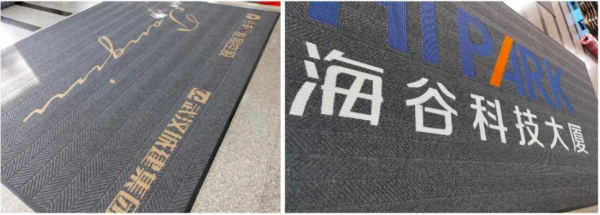
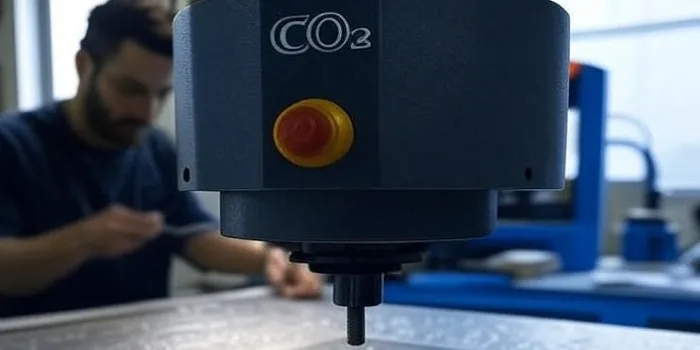
CO₂ laser systems are particularly suitable for textiles, fibers, and various fabric materials. Featuring non-contact processing, they deliver high-quality results across a wide range of applications:
Smooth cutting edges without burrs or fraying
Automatic edge sealing with no material deformation
Digital graphics output directly from computer files, eliminating the need for cutting tools or molds
By reducing material waste, labor costs, and pattern development time, laser processing significantly improves production efficiency while optimizing manufacturing costs. As a result, it has gained widespread recognition from carpet manufacturers worldwide.
Large optical focusing system for smaller laser spots and reduced thermal impact
Optical transmittance above 99%, offering high stability and low thermal expansion
Higher precision and faster cutting speed, improving efficiency by up to 20%
Customizable extra-large adjustable working area to enhance productivity
Powerful control and drive capability (2500W) with strong anti-interference performance
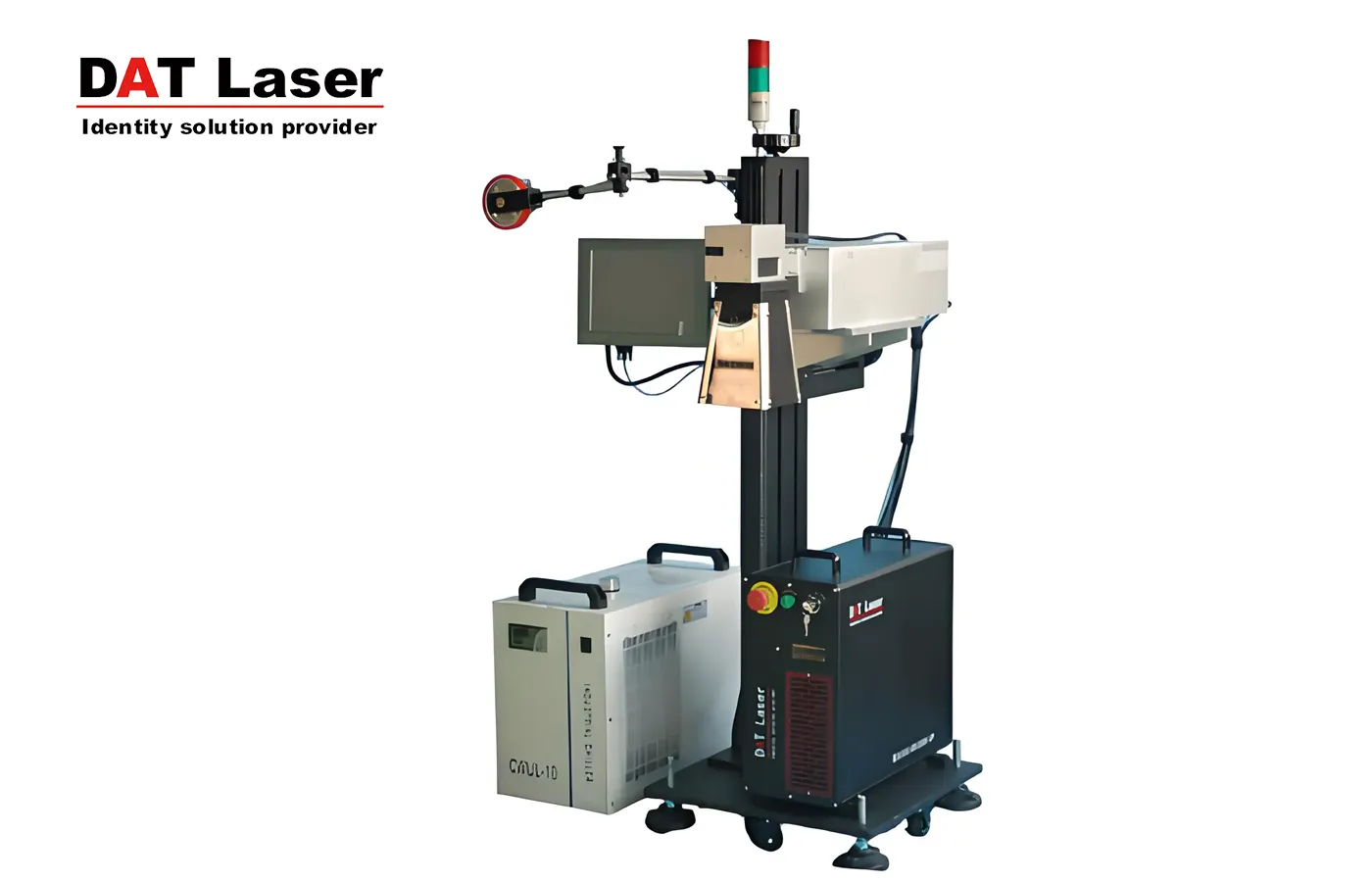
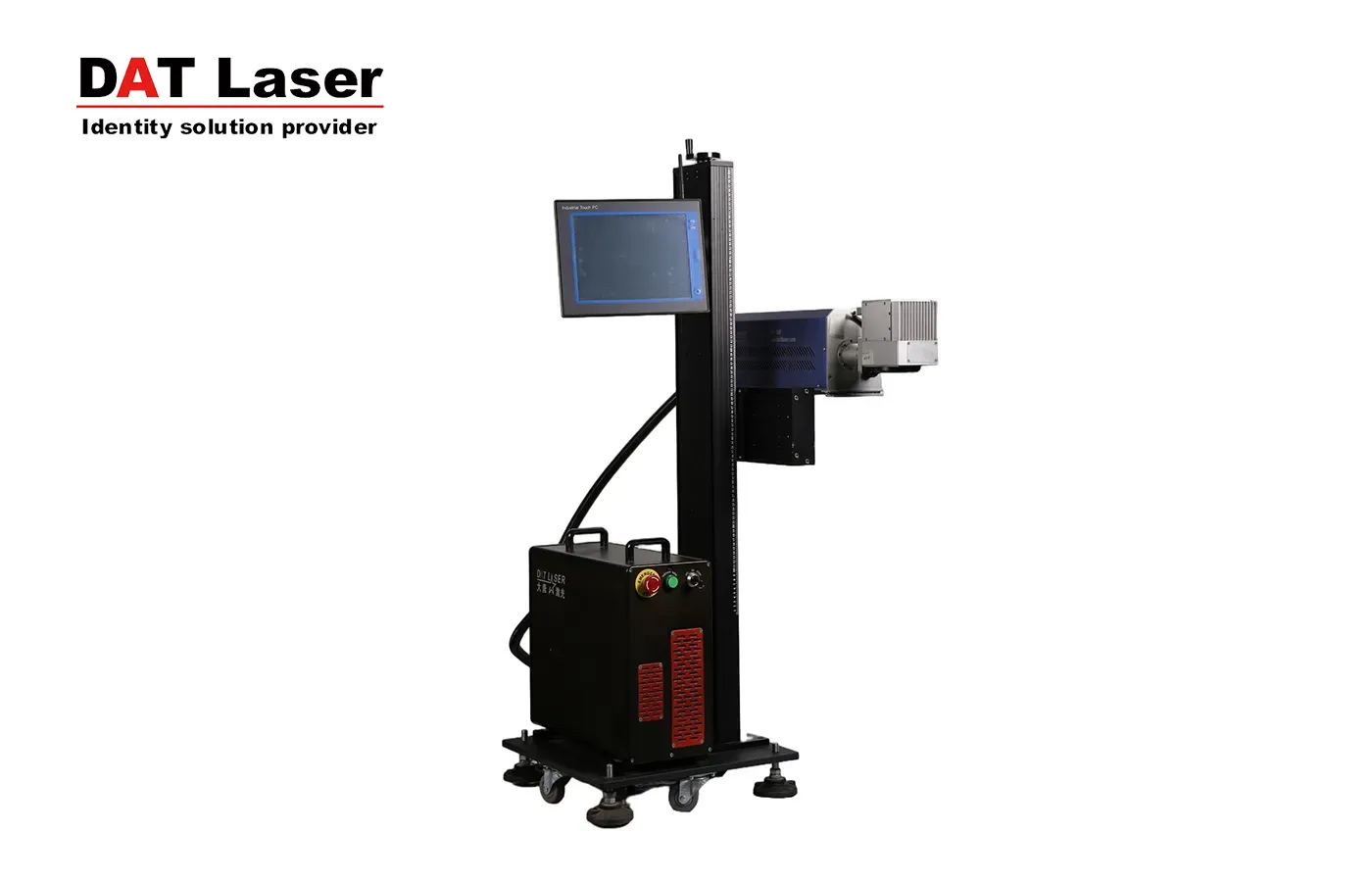
Integrated all-in-one design to save space and simplify maintenance
Self-developed UI system with intuitive and user-friendly operation
Expandable intelligent and automated functions for comprehensive efficiency improvement
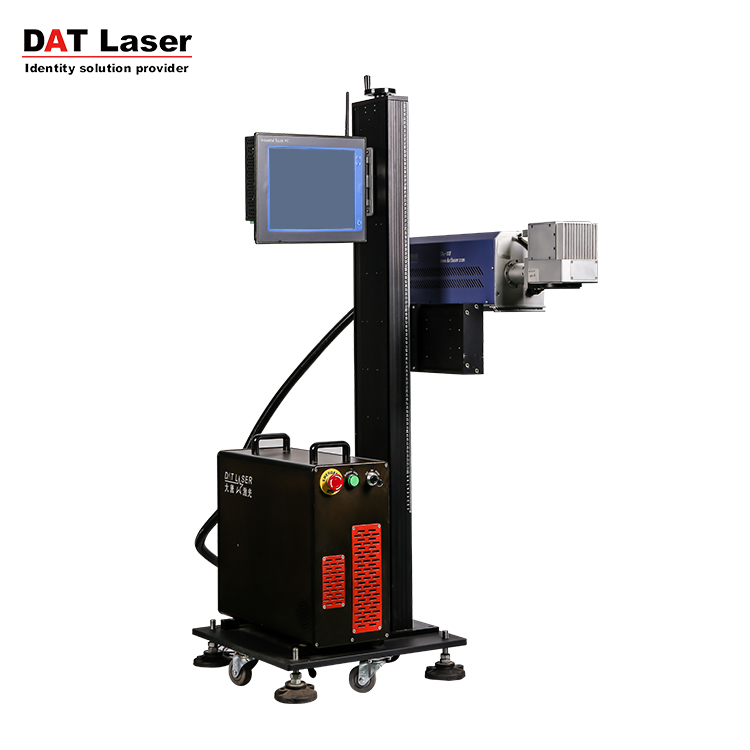
| Parameter | Specification |
| Machine Model | DAT F Series |
| Output Power | 30W / 40W / 60W |
| Repetition Frequency | 1–130 kHz |
| Laser Wavelength | 10,640 nm |
| Minimum Line Width | 0.2 mm |
| Marking Speed | 0.1–30 m/min |
| Operating Environment | Temperature 15°C–45°C, Humidity 40–80%, Non-condensing |
| Machine Dimensions | 650 mm × 650 mm × 1316 mm |