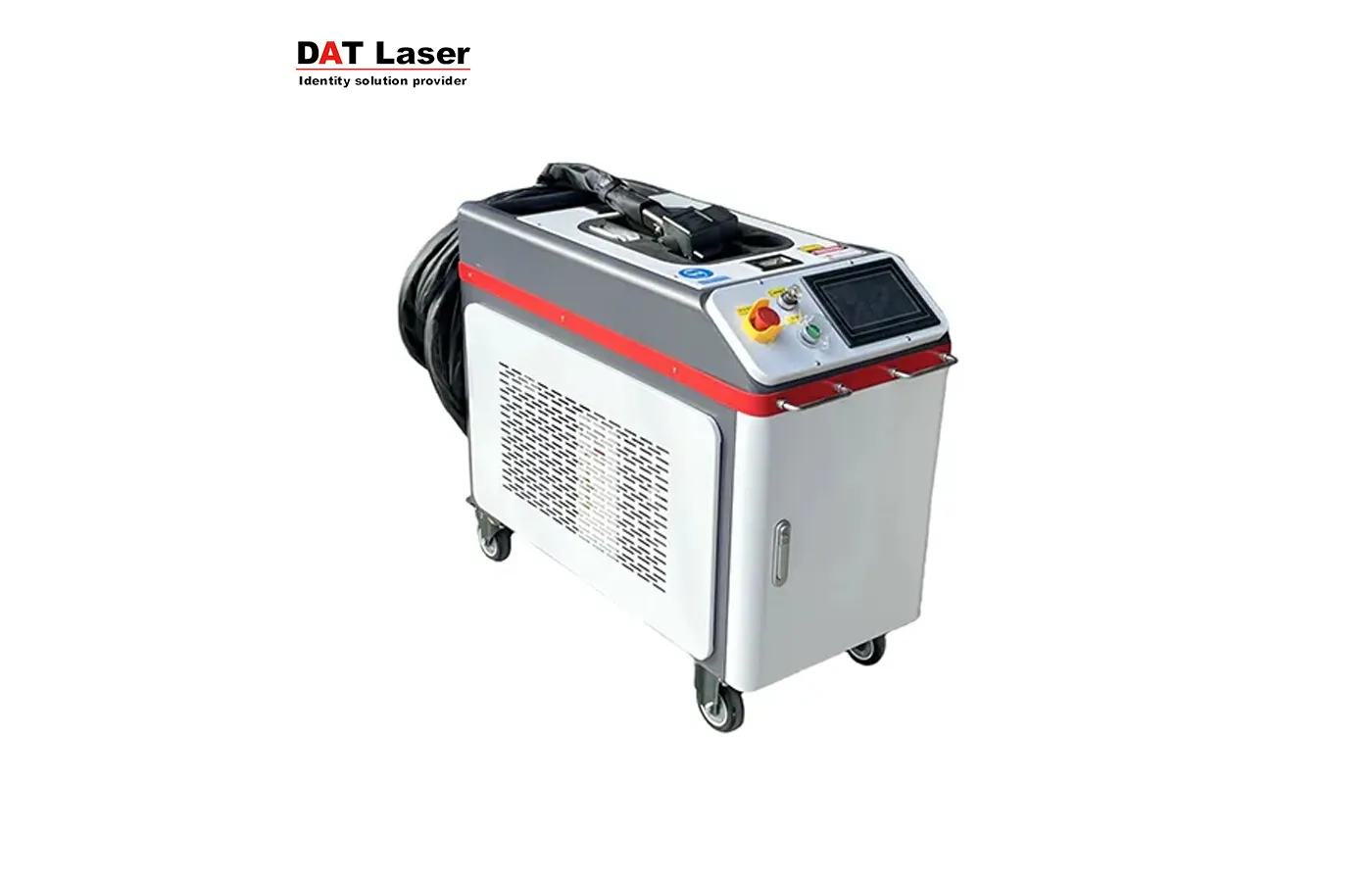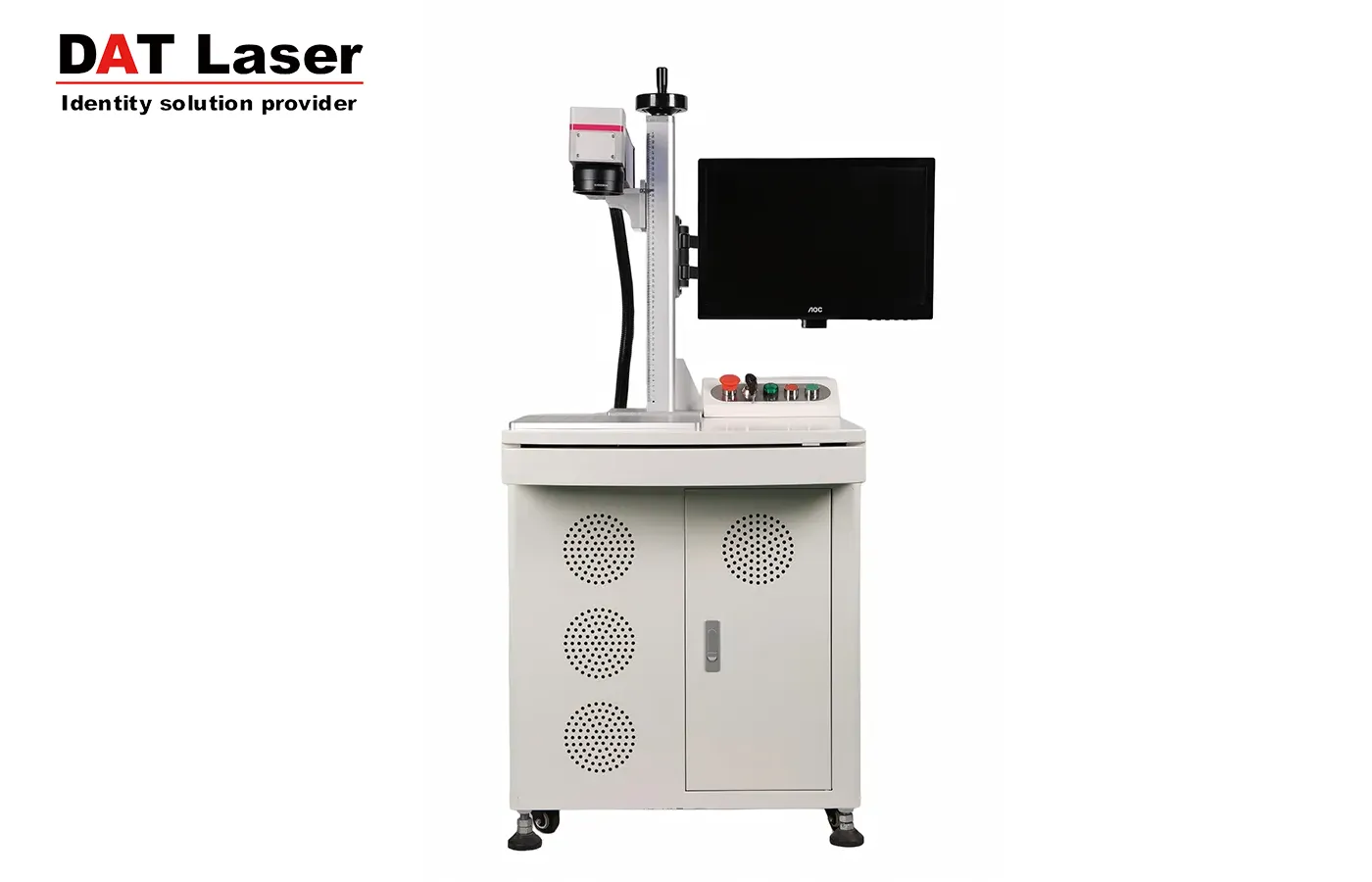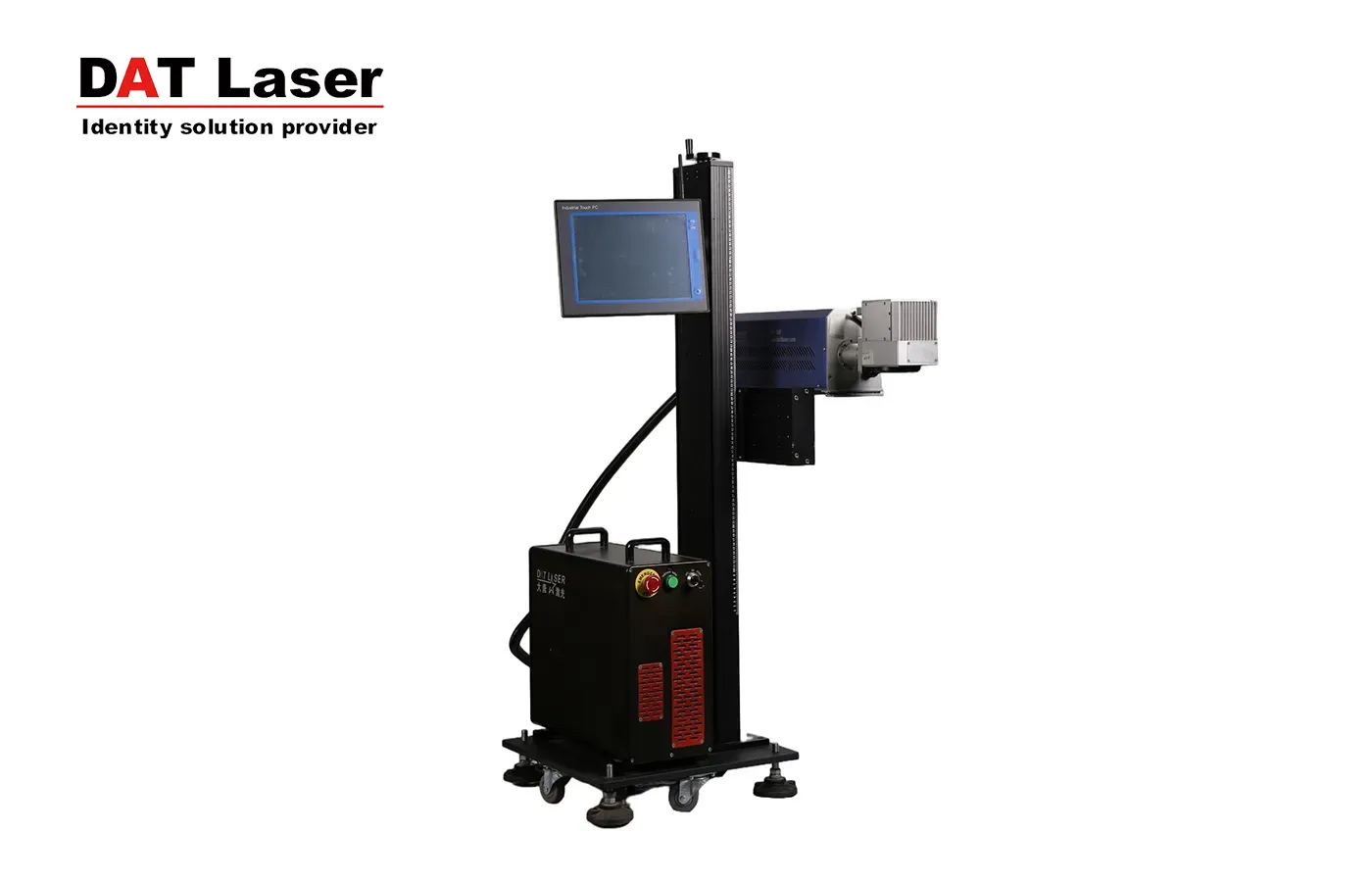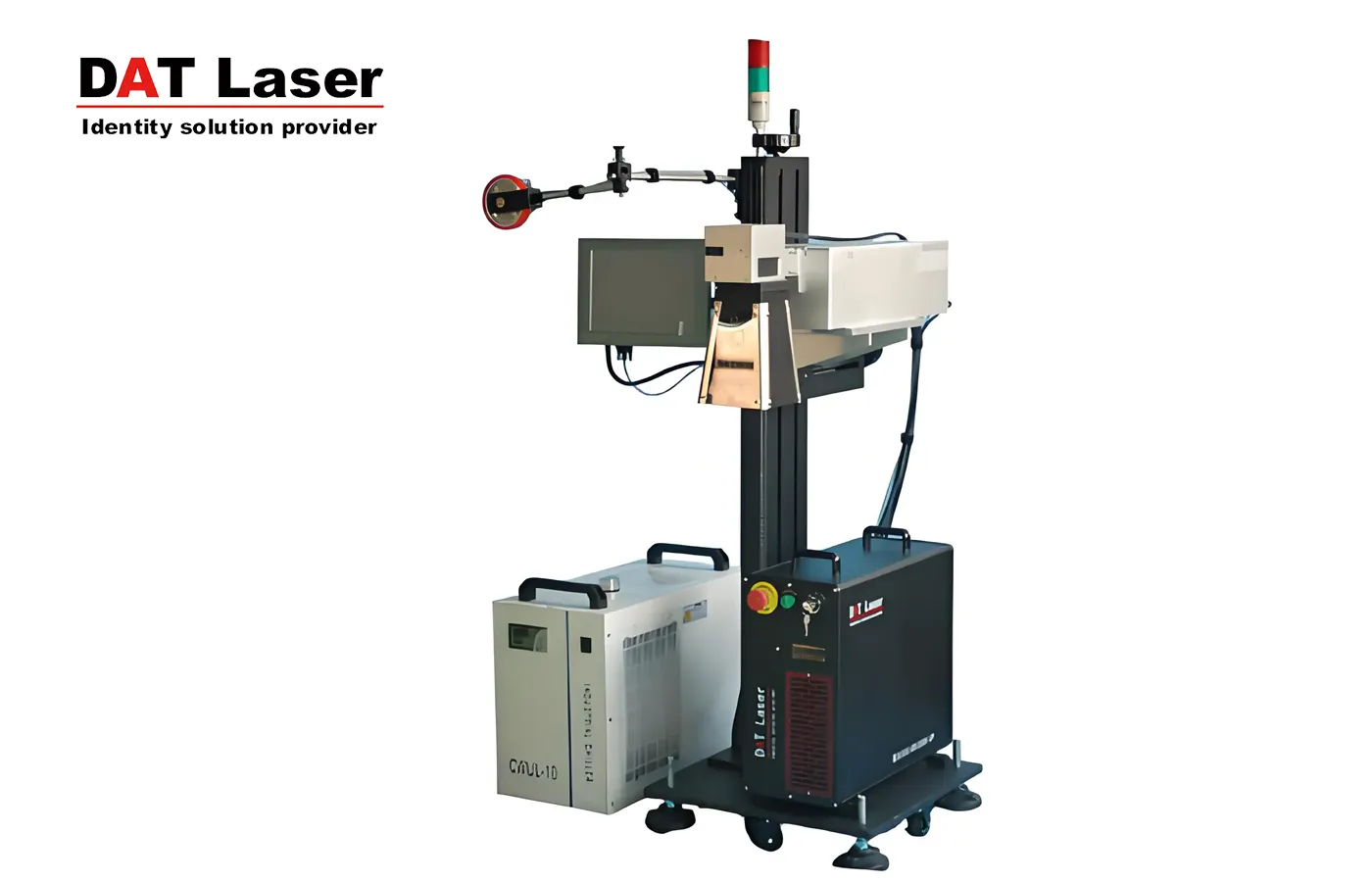
The red light serves as a positioning and alignment guide (not the actual marking laser). It is one of the most fundamental operations in the daily use of a laser marking machine and directly affects marking accuracy, production efficiency, operator safety, and product yield. Proper red light adjustment is therefore essential for achieving optimal marking performance.
Since the marking laser beam is invisible to the naked eye, the red light provides the only visible reference for positioning.
Misaligned red light can cause logos, text, QR codes, and graphics to be marked in the wrong position, resulting in defective or scrapped parts.
Correctly aligned red light (coaxial with the laser focal point) ensures that the preview position matches the actual marking position, enabling consistent and accurate production.
This is especially important for:
Small characters and micro-marking applications
Fine graphics and detailed logos
Mold and precision hardware marking
Multi-station and high-volume production lines
Without accurate red light alignment, these applications become difficult or impossible to execute reliably.
The size of the red light spot can be used as a quick indicator of the laser focal position.
When the red light spot is at its smallest, the laser is generally at the optimal focal distance, resulting in:
Better marking depth
Sharper details
Higher contrast and brightness
When the red light spot becomes large or blurred, it usually indicates an incorrect focal distance, leading to:
Fuzzy markings
Uneven depth
Rough edges and reduced quality
Proper red light adjustment significantly reduces setup time and improves production efficiency.
High-power laser beams can cause serious eye injuries and skin burns. The red light allows operators to visualize the laser path before marking begins.
Benefits include:
Preventing hands or body parts from entering the laser working area
Verifying the marking range before operation
Reducing risks during setup, testing, and production
This contributes to a safer working environment and helps minimize accidents.
In manufacturing environments where multiple operators and product models are involved, maintaining a fixed red light position ensures consistent marking results.
Advantages include:
Uniform marking locations across all products
Stable production standards
Easier quality control and inspection
Reduced operator-to-operator variation
Frequent or incorrect adjustments can lead to inconsistent product appearance and increased rejection rates.
Improper red light calibration may result in:
Offset between the preview position and the actual marking position (horizontal or vertical deviation)
Distorted marking patterns, blurred edges, or inconsistent marking depth
Difficulty finding the correct focal distance, requiring repeated test marking and material waste
Longer setup times and a steeper learning curve for new operators
These issues reduce productivity and increase manufacturing costs.
Red light alignment should be checked and adjusted under the following circumstances:
After installation of a new laser marking machine
After moving or relocating the equipment
After replacing the galvo scanner or field lens
When marking positions become noticeably inaccurate
When the focal distance repeatedly fails to align correctly
After changing to a field lens with a different marking area
After significant adjustments to worktable height
Following long-term operation that may cause optical path vibration or displacement
Regular calibration helps maintain marking accuracy and stable machine performance.
Red light alignment is one of the most important basic setup procedures for any laser marking machine. The higher the precision requirement, production volume, or product value, the more critical proper red light calibration becomes.
Accurate red light positioning ensures:
Precise marking placement
Faster setup and focusing
Improved operational safety
Consistent batch production quality
Reduced scrap rates and production costs
In daily manufacturing operations, if the red light is not properly aligned, the laser marking machine cannot deliver its full performance and accuracy potential. This makes red light calibration an essential step for achieving reliable and professional marking results.